
Last Updated on April 10, 2025
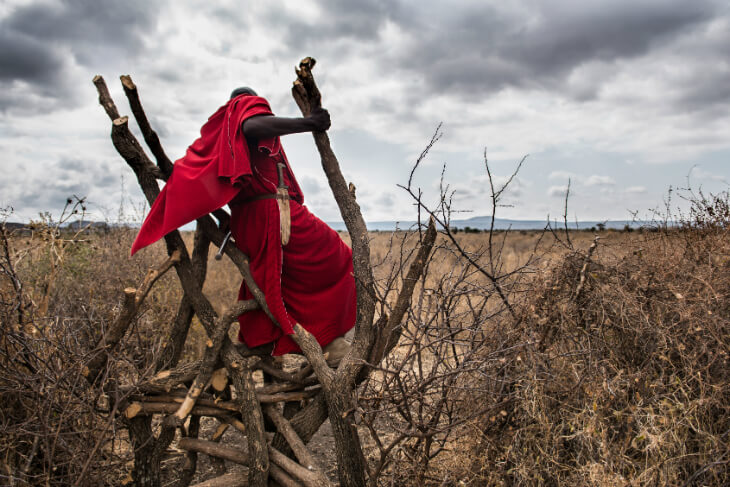
The colourful and iconic Maasai, a semi-nomadic tribe in East Africa, is threatened with extinction due to climate change. After many years of extended dry seasons exacerbated by climate change, an extensive and prolonged drought in this part of the world may see rich traditions in leadership, education and living with nature disappear.
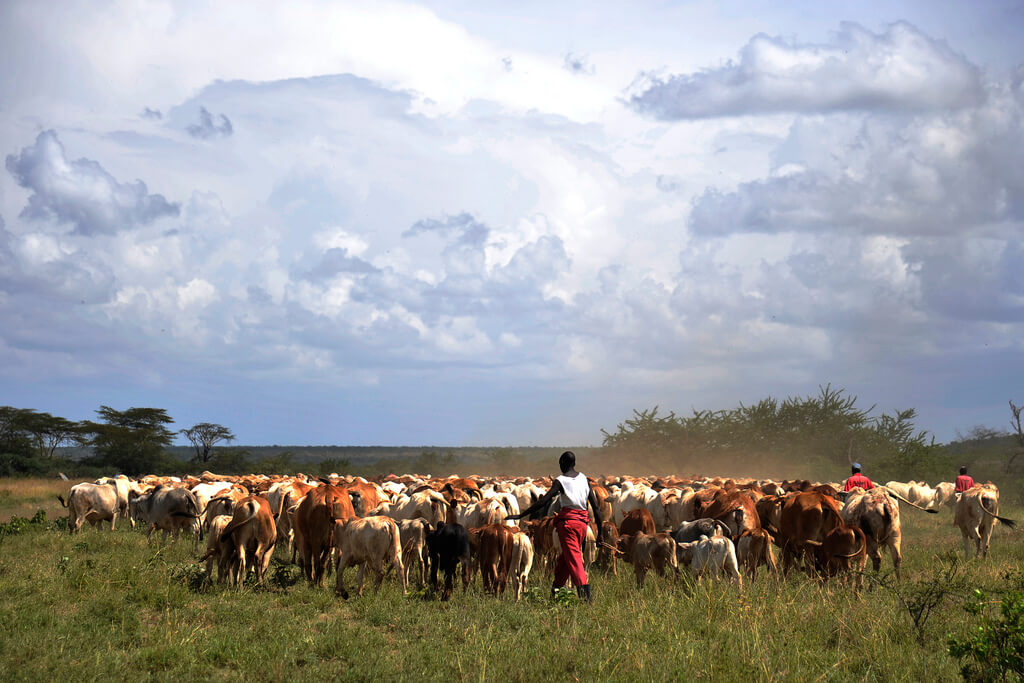
“The Maasai are a noble and dignified people who, despite the pressures of the modern world, have proudly maintained their traditional lifestyle and cultural identity.” says Maasai elder Ezekiel Ole Katato of Kajiado County, Kenya. The Maasai culture and barter economy is built upon traditional pastoralism, and now the livestock which sustains their traditional way of life has begun dying off in alarming numbers.
“Maasai have suffered a lot from the consequences of land grabbing by powerful bodies and companies for many decades already.” says Katato. “Now climate change and the continuous drought puts further pressure on our people. If there is no rain or aid in the coming weeks, the number of Maasai will decrease strongly. Our rich culture is threatened with extinction”.
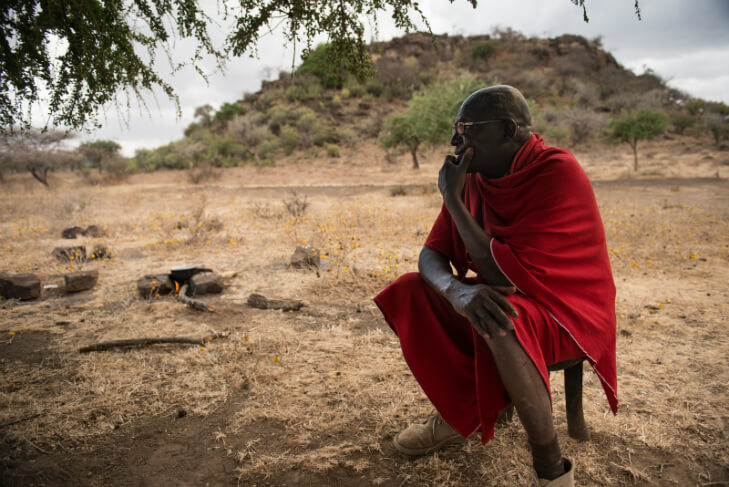
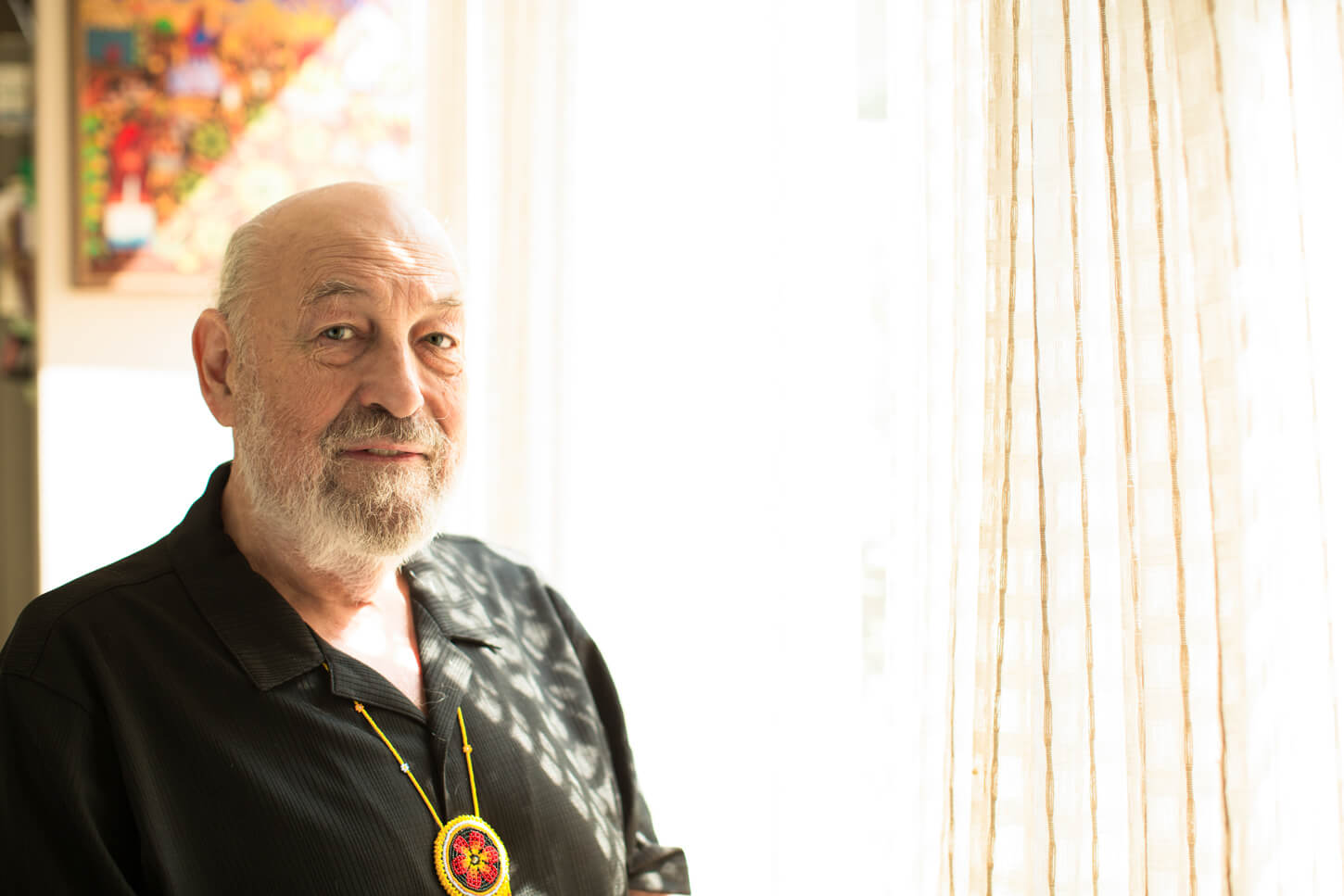
Maasai elder Ezekiel Ole Katato. Photo Credit: Nelli Huié
Rather than waiting for foreign aid, Katato has instigated a community-based drought management fund, as well as a crowdfunding appeal through Dutch platform Heroes & Friends. In consulting with elders and community members, they have identified their community’s immediate and long-term requirements to survive.
“The Maasai are a culture rich in tradition and dignity. We believe that the mark of a full human being is the capacity to encounter challenges, whether personal or external, and seek to overcome them with courage.”
“Our dignity is why we have instigated community based drought management, and our courage is why we have decided to ask for help from the global community.”
Studies from other authoritative bodies like the United Nations highlight the vulnerable position of indigenous people like the Maasai. A 2008 Oxfam study has suggested that indigenous communities around the world could benefit from the Maasai in their valuable traditional survival skills.
To support the Maasai in their fight against climate change and to help them with long term solutions, please visit https://www.heroesandfriends.com/projects/maasai
NOTES FOR THE EDITOR:
About the Maasai
The 1 million Maasai live in South Kenya and Northern Tanzania. Because of their rich culture and iconic traditions, their jumping dances and red clothes, Maasai are very popular among the tourists in this part of the world.
For the press:
For more information and/or an interview with Ezekiel Ole Katato please contact: Michiel de Koning, +31 6 22 77 51 44 or michiel@heroesandfriends.com or Willem Lageweg, +31 6 51 29 47 77 or willem@willemlageweg.nl
Across the world right now, Indigenous peoples are facing a renewed assault on their lands, rights, and ways of life.
From extractive industries pushing deeper into ancestral territories, to governments rolling back hard-won protections,
the threat is global—and it is growing.
What makes this moment especially dangerous is how little attention it receives.
Stories like this are disappearing in real time. Mainstream media
barely covers it and the coverage is fragmented. The public is left without the context
needed to understand what is truly at stake.
That is exactly why IC Magazine exists..
For more than 20 years, IC has reported on Indigenous struggles worldwide — consistently, independently, and without compromise.
We don’t follow news cycles; we trace patterns. We don’t sensationalize; we provide context.
And when the world looks away, we stay focused.
But this work is increasingly difficult to sustain.
We refuse to lock our reporting behind a paywall. We don’t sell access through subscriptions.
And we don’t answer to advertisers. IC Magazine survives solely because readers like you choose to
support independent Indigenous journalism.
Please donate today if you can. Every contribution helps us to continue this crucial work.
Thank you,
John Ahni Schertow
Founder and Editor in Chief