
Last Updated on October 14, 2025
On the southernmost edge of Texas, where the Rio Grande meets the Gulf, the Esto’k Gna Tribal Nation — also known as the Carrizo/Comecrudo Tribe of Texas — still hopes to protect what remains of its ancestral lands from Elon Musk’s expanding SpaceX base.
The tribe says the company’s operations at Boca Chica — rebranded “Starbase” — have devastated fragile ecosystems, desecrated sacred sites, and cut off traditional access to the coastline that forms the heart of their creation story. What SpaceX hails as a gateway to Mars, tribal leaders call a continuation of the centuries-long erasure of Indigenous peoples in the name of progress. As Tribal Chairman Juan Mancias recently told Decatur Metro, “They dream of reaching Mars. We’re just trying to stay on Earth.”
The Esto’k Gna people derive their name from the Comecrudo language, which simply means “human beings.” They see themselves as direct descendants of Indigenous inhabitants of the lower Rio Grande Delta. Though not federally or state recognized, the tribe has persevered through centuries of erasure, displacement and marginalization.
Juan Mancias describes SpaceX’s encroachment on Boca Chica Beach as part of a broader pattern of cultural dispossession: “Our creation story begins at this beach, at the mouth of the Rio Grande,” he told Yes Magazine in 2022, adding that rocket towers and fuel tanks now loom over sites once sacred to his ancestors. In legal filings, tribal members asserted that regulatory agencies failed to meaningfully consult or respect their spiritual connection to the land.
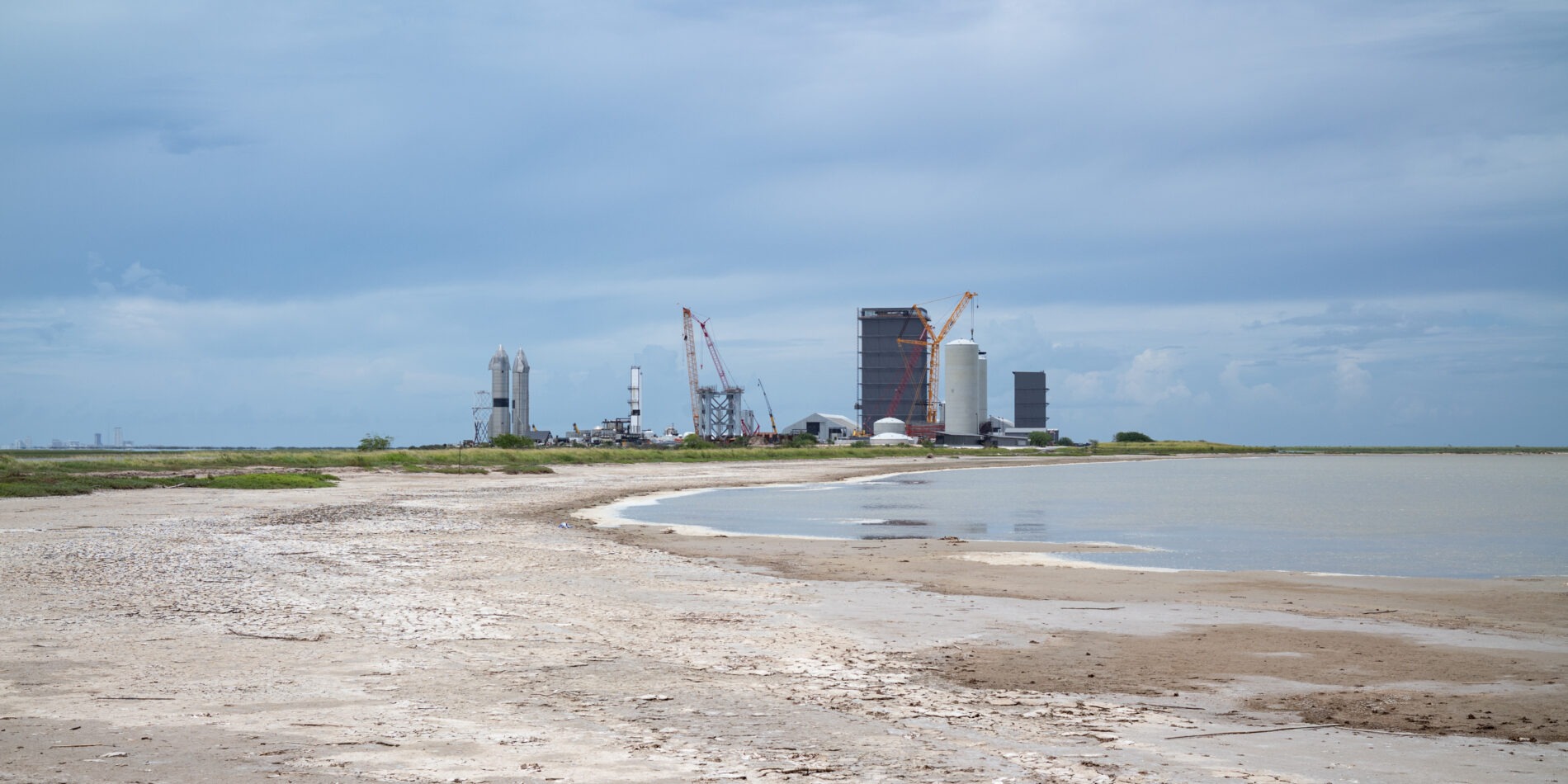
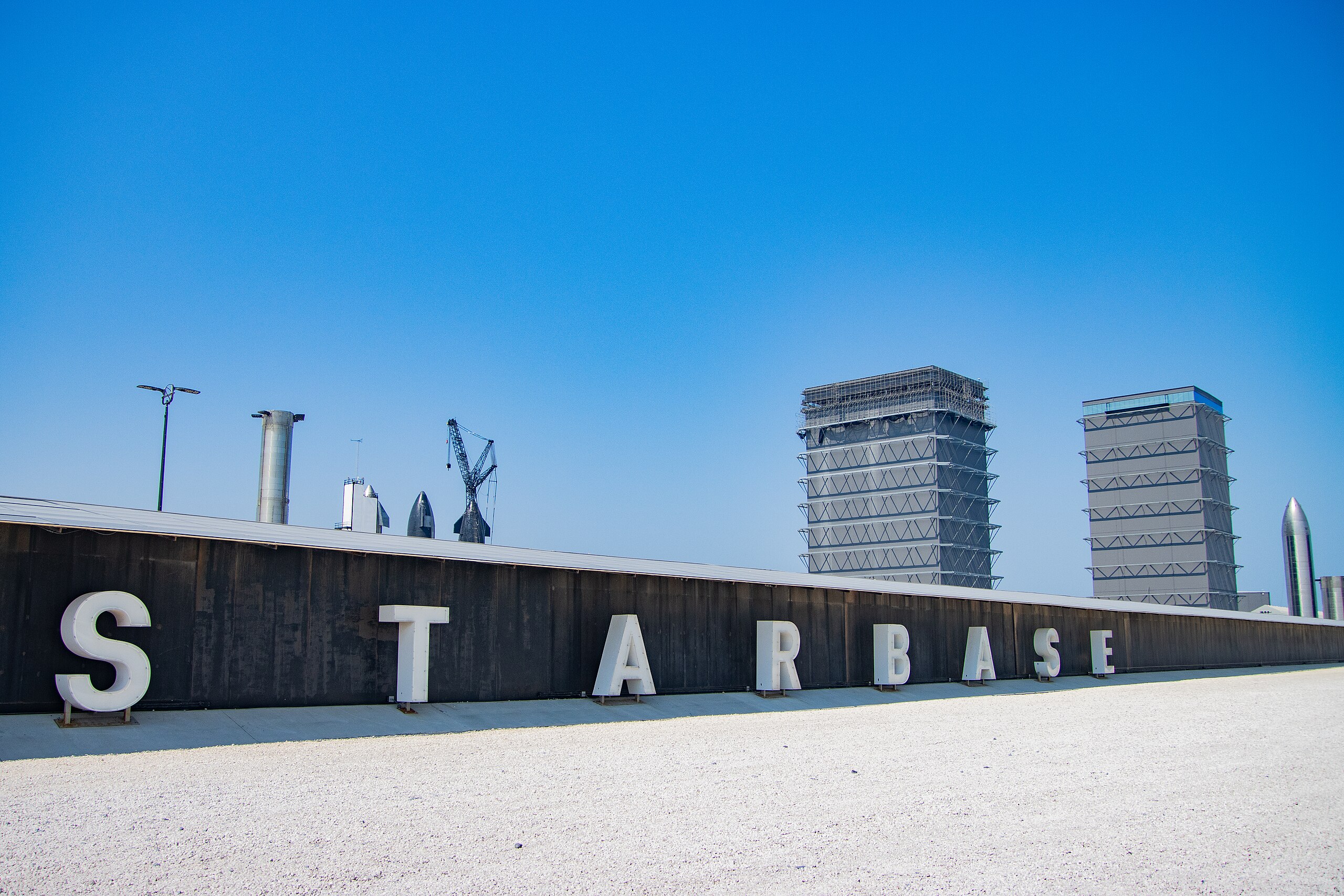
Boca Chica / Starbase. Photo: Alexander Hatley (CC)
Christopher Basaldú, a member of Esto’k Gna and cofounder of the South Texas Environmental Justice Network, filed a sworn declaration with the Texas Commission on Environmental Quality in 2025. He says he regularly visits Boca Chica to perform prayers, offerings, and memory work, and that SpaceX’s launch activities have disrupted the spiritual character of the beach, destroyed night skies, and caused damage to wildlife and the water.
“According to the Esto’k Gna Creation Story, human life began on this very beach, at the mouth of the Rio Grande. No matter the reason for my visit, I always make an offering to honor the sacredness of this space,” he commented.
“They built their facility right next to the road, with no buffer, with their rocket launch pad practically on the beach. That otherworldly feeling of being one with nature and the clear night sky is gone. SpaceX’s presence in this sacred space feels like an assault on Mother Nature, my Spirit, and my People.”
In May 2025, the Federal Aviation Administration approved raising SpaceX’s permitted launches from five to 25 per year. The FAA’s environmental assessment concluded there would be no “significant adverse impacts.” That decision came amidst criticism that the agency failed to properly consult with indigenous stakeholders.
Meanwhile, the Texas Legislature passed a bill giving Starbase authority to temporarily close Boca Chica Beach during launches. Tribal leaders see this as a troubling surrender of public and tribal access to a site they consider theirs by birthright. In its opposition, the tribe warned that closures would interfere not only with recreation and fishing but with spiritual ceremonies and cultural continuity.
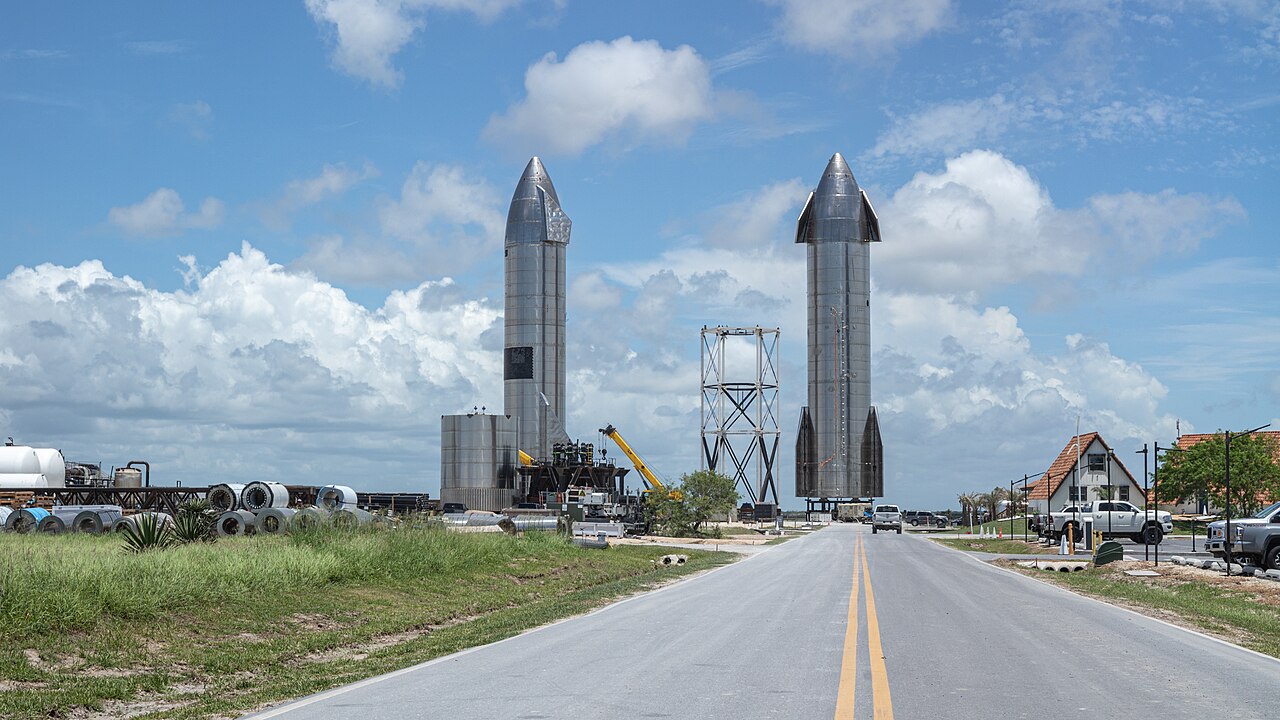
Boca Chica / Starbase. Photo: Alexander Hatley (CC)
In late 2024, the tribe joined a lawsuit accusing the Texas Commission on Environmental Quality (TCEQ) of allowing SpaceX to discharge polluted water into wetlands and coastal waters without proper permits. The complaint framed the water, land and air of Boca Chica as sacred to Esto’k Gna, and asserted regulatory failure to protect them.
The tribe and allied groups also opposed Senate Bills 2188 and 2230 that further embedded SpaceX’s influence over public access and beach closure authority.
In concert, tribal advocates pressed that the environmental reviews underpinning the FAA approval and state land swaps have been inadequate. They alleged that cumulative impacts like wildfires, habitat loss, vibration, light pollution, chemical runoff have been under-accounted and that tribal voices were sidelined or ignored.
A key obstacle for the Esto’k Gna is its unrecognized status. Unlike federally recognized tribes, they have no legal treaty rights, no trust land status, and no guaranteed government-to-government consultation rights. Legal protections under U.S. law (e.g. the Native American Graves Protection and Repatriation Act) largely apply to recognized tribes, meaning the tribe’s claims often depend on assertions of cultural harm, public trust doctrine, or statutory environmental law.
Tribal leaders maintain, however, that recognition should not be a precondition for respecting living Indigenous ties to land. As Mancias told The Texas Observer, “Only federally recognized tribes can claim legal rights … but the law gives no special rights to groups like the Carrizo/Comecrudo, whose family stories tell how they survived genocide and displacement.”
While the legal path is steep, the Esto’k Gna’s struggle has become emblematic of a broader reckoning that challenges the United States to confront how “progress” is built on the displacement of those who first called the land home. For the tribe, this fight is not about opposing technology or exploration; it is about demanding accountability from those who treat sacred ground as expendable. Their resistance stands as both a warning and a declaration that modern industry cannot continue to sacrifice living cultures for spectacle and speed.
Across the world right now, Indigenous peoples are facing a renewed assault on their lands, rights, and ways of life.
From extractive industries pushing deeper into ancestral territories, to governments rolling back hard-won protections,
the threat is global—and it is growing.
What makes this moment especially dangerous is how little attention it receives.
Stories like this are disappearing in real time. Mainstream media
barely covers it and the coverage is fragmented. The public is left without the context
needed to understand what is truly at stake.
That is exactly why IC Magazine exists..
For more than 20 years, IC has reported on Indigenous struggles worldwide — consistently, independently, and without compromise.
We don’t follow news cycles; we trace patterns. We don’t sensationalize; we provide context.
And when the world looks away, we stay focused.
But this work is increasingly difficult to sustain.
We refuse to lock our reporting behind a paywall. We don’t sell access through subscriptions.
And we don’t answer to advertisers. IC Magazine survives solely because readers like you choose to
support independent Indigenous journalism.
Please donate today if you can. Every contribution helps us to continue this crucial work.
Thank you,
John Ahni Schertow
Founder and Editor in Chief