Last Updated on April 7, 2025
When the Oglala Sioux Tribe passed an ordinance separating industrial hemp from its illegal cousin, marijuana, Alex White Plume and his family glimpsed a brighter future.
Having researched hemp as a sustainable crop that would grow in the inhospitable soil of the South Dakota Badlands, the White Plumes envisioned a new economy that would impact the 85% unemployment rate on the Pine Ridge Reservation.
They never dreamed they would find themselves swept up in a struggle over tribal sovereignty, economic rights, and common sense.
From the hemp fields of Pine Ridge to the US Federal Court of Appeals, the one-hour documentary Standing Silent Nation tracks one family’s effort to create economic independence for themselves, their reservation, and their future generations.
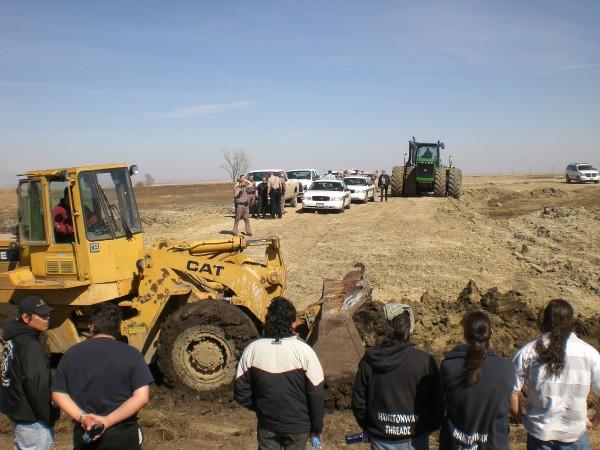
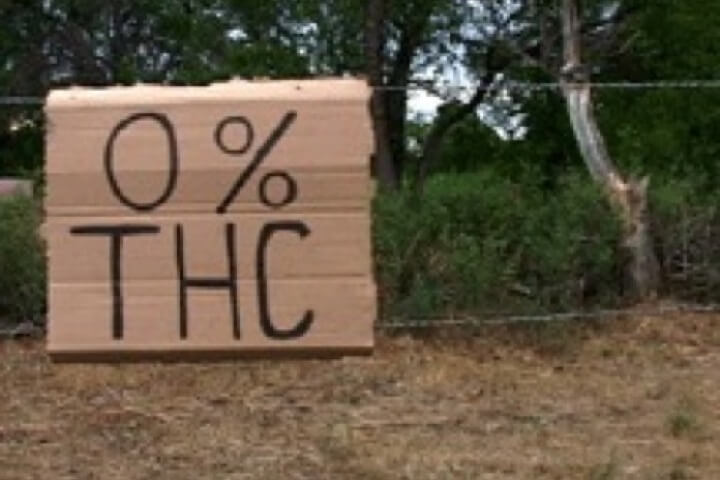
The hemp plant is like a new buffalo for the Lakota: a resource whose many uses from food to fuel to fiber, could enrich their sovereign nation. For three years, Alex White Plume and his family planted industrial hemp. But each year, their harvest was disrupted by the Drug Enforcement Administration (DEA), which claims that hemp is marijuana despite the absence of marijuana’s psychoactive properties.
Standing Silent Nation challenges contemporary notions of Native America, while providing a compelling and engaging story rarely covered in mainstream media.
For more information, please visit standingsilentnation.com
Across the world right now, Indigenous peoples are facing a renewed assault on their lands, rights, and ways of life.
From extractive industries pushing deeper into ancestral territories, to governments rolling back hard-won protections,
the threat is global—and it is growing.
What makes this moment especially dangerous is how little attention it receives.
Stories like this are disappearing in real time. Mainstream media
barely covers it and the coverage is fragmented. The public is left without the context
needed to understand what is truly at stake.
That is exactly why IC Magazine exists..
For more than 20 years, IC has reported on Indigenous struggles worldwide — consistently, independently, and without compromise.
We don’t follow news cycles; we trace patterns. We don’t sensationalize; we provide context.
And when the world looks away, we stay focused.
But this work is increasingly difficult to sustain.
We refuse to lock our reporting behind a paywall. We don’t sell access through subscriptions.
And we don’t answer to advertisers. IC Magazine survives solely because readers like you choose to
support independent Indigenous journalism.
Please donate today if you can. Every contribution helps us to continue this crucial work.
Thank you,
John Ahni Schertow
Founder and Editor in Chief