Last Updated on April 8, 2025
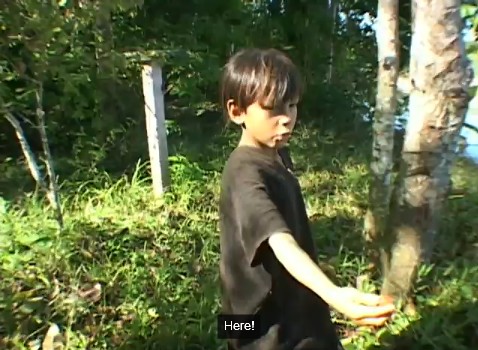
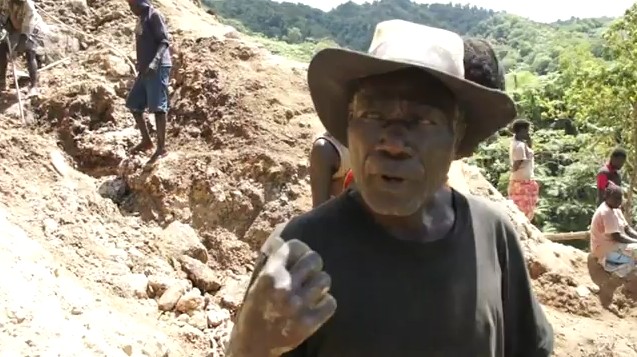
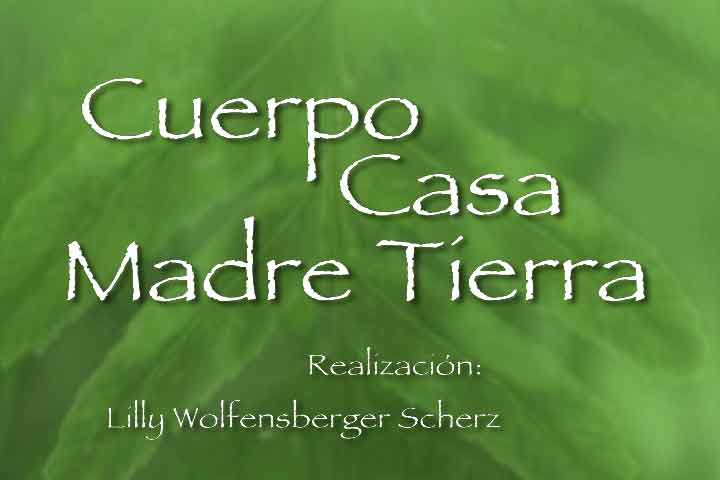
In Body, Home, Mother Earth (Cuerpo, Casa, Madre Tierra) you will learn about the Tutu Naku Peoples, their traditional practices, their relationships with the Earth, and their struggle to preserve a biocultural heritage that is being eroded from the outside-in. (Film in Spanish and English)
Synopsis
To co-exist with nature is an art; an art of living that the Tutu Naku communities of the Northern Highlands of Puebla practiced conscientiously for centuries, And when they discovered how to conjoin their ingenious agricultural practices with the benevolence of the ecosystems, a mythical dialogue blossomed with Mother Earth, that continues to nourish their spirituality.
But nowadays, the Tutu Naku women – the weavers of the traditional “fajas” that symbolically protect their reproductive powers – have yet another concern. Cultural erosion and the use of agro chemicals threaten many species and in particular, the traditional corn field.
During a process of reflection and consciousness raising about their sacred food, the women weavers decided to dedicate a healing to the endangered corn. The concept of sustainability is, in fact, an integral part of the daily customs that the Tutu Naku people have practiced for thousands of years and continue practicing in the present day.
The world’s most advanced scientific research centers now acknowledge indigenous people as the inventors of concrete science and recognize the need for a dialogue, a sharing of knowledge, between scientists and the indigenous peoples to fight against environmental destruction.
Director: Lilly Wolfensberger
Producer: Lilly Wolfensberger
Runtime: 85 min
Film Hosted By: cultureunplugged.com
Across the world right now, Indigenous peoples are facing a renewed assault on their lands, rights, and ways of life.
From extractive industries pushing deeper into ancestral territories, to governments rolling back hard-won protections,
the threat is global—and it is growing.
What makes this moment especially dangerous is how little attention it receives.
Stories like this are disappearing in real time. Mainstream media
barely covers it and the coverage is fragmented. The public is left without the context
needed to understand what is truly at stake.
That is exactly why IC Magazine exists..
For more than 20 years, IC has reported on Indigenous struggles worldwide — consistently, independently, and without compromise.
We don’t follow news cycles; we trace patterns. We don’t sensationalize; we provide context.
And when the world looks away, we stay focused.
But this work is increasingly difficult to sustain.
We refuse to lock our reporting behind a paywall. We don’t sell access through subscriptions.
And we don’t answer to advertisers. IC Magazine survives solely because readers like you choose to
support independent Indigenous journalism.
Please donate today if you can. Every contribution helps us to continue this crucial work.
Thank you,
John Ahni Schertow
Founder and Editor in Chief