Last Updated on March 3, 2013
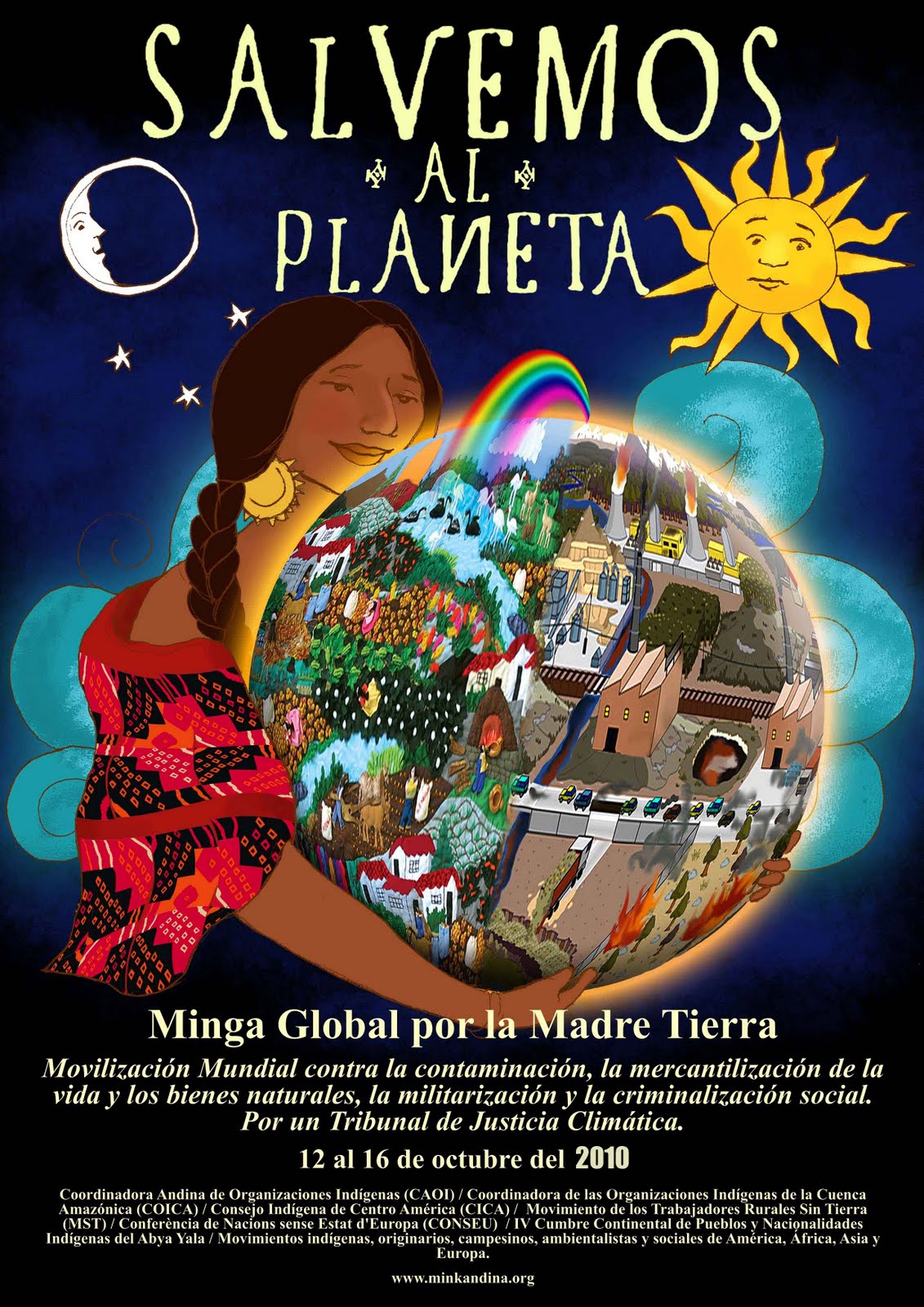
III Continental Summit of Indigenous Pueblos and Nations of Abya Yala – March 26-30, 2007 – Iximulew, Guatemala
January 10, 2007 – To all of the Indigenous Nations and Pueblos of Abya Yala
Dear Brothers and Sisters,
Good greetings to each of you from the Organizing Committee of the III Continental Summit of Indigenous Nations and Pueblos of Abya Yala. May the Creator and Giver of Form accompany you, guiding you along the white path of illumination and clear thoughts in order to continue working towards the fulfillment and exercise of the Rights of Indigenous Peoples.
By way of this media, the Organizing Committee REISSUES THE CONVOCATION to our leaders, both men and women, that they may participate in this historic undertaking at which we shall strengthen our organizational relationships but above all construct the grand continental alliance among Indigenous Pueblos and Nations from the 26th to the 30th of March of 2007 in Iximulew, Guatemala. The host community of the III Continental Indigenous Summit is to be the Municipality of Tecpan, Guatemala located 87 kilometers from the capitol city.
Here now follows the principal parameters of participation for delegates attending from the different countries:
1. Participation at this summit is only for delegates of grassroots indigenous organizations with representation and legitimacy.
2. Each organization should promote preparatory discussion in relationship to the crosscutting themes of the III Summit, as well as initiate mechanisms of autonomous convening within each one of their respective countries for this purpose.
3. As of the present, delegates should be designated for participation in specific Crosscutting Themes.
Therefore we present the Themes of the III Continental Indigenous Summit of Pueblos and nations of Abya Yala:
* Land, Territory and Natural resources;
* Autonomy and Self Determination,
* Diversity, Pluri-nationality, and Integral Development,
* Indigenous Knowledge and Intellectual property,
* Multinational and Bilateral Organizations (OAS, UN, IMF, etc,)
* Identity and Cosmo-vision
* Strategic Alliances
* Indigenous Women: participation and organization
* Democracy, Nation-States and Indigenous Government
* Impact of neoliberal globalization and militarization on our territories
Sub-theme: Criminalization of the struggle of the Indigenous Peoples
* Communication and Indigenous Peoples
* Indigenous children and youth
* Juridical systems and access to justice
* Globalization and economic alternatives of the Indigenous Peoples
The participation of each and all is important in order to strengthen the organizational process of the continental Indigenous Movement and for the development of the III Continental Indigenous Summit of the Indigenous Nations and Pueblos of Abya Yala.
We ask that you refer to our webpage for official registration information for delegates to the III summit. www.waqib-kej.org
from: www.cumbrecontinentalindigena.org
Also see www.cumbreindigenabyayala.org for information from the previous Summits
Across the world right now, Indigenous peoples are facing a renewed assault on their lands, rights, and ways of life.
From extractive industries pushing deeper into ancestral territories, to governments rolling back hard-won protections,
the threat is global—and it is growing.
What makes this moment especially dangerous is how little attention it receives.
Stories like this are disappearing in real time. Mainstream media
barely covers it and the coverage is fragmented. The public is left without the context
needed to understand what is truly at stake.
That is exactly why IC Magazine exists..
For more than 20 years, IC has reported on Indigenous struggles worldwide — consistently, independently, and without compromise.
We don’t follow news cycles; we trace patterns. We don’t sensationalize; we provide context.
And when the world looks away, we stay focused.
But this work is increasingly difficult to sustain.
We refuse to lock our reporting behind a paywall. We don’t sell access through subscriptions.
And we don’t answer to advertisers. IC Magazine survives solely because readers like you choose to
support independent Indigenous journalism.
Please donate today if you can. Every contribution helps us to continue this crucial work.
Thank you,
John Ahni Schertow
Founder and Editor in Chief