The Lumad is a collective term that refers to non-Muslim Indigenous nations native to the island of Mindanao in the southern Philippines. Comprising over a dozen distinct ethnolinguistic communities, the Lumad share deep spiritual ties to their ancestral lands, forests, and rivers. Historically self-governing, they practice traditional farming, maintain diverse oral traditions, and uphold Indigenous justice systems. The term “Lumad” means “native” or “born of the earth” in Cebuano, and was adopted in the 1980s as a unifying identity in the struggle for ancestral domain rights.
The Lumad face persistent threats due to mining, logging, and agribusiness operations encroaching on their ancestral territories. Many are forcibly displaced by militarization and armed conflict, as state forces and paramilitary units often target Lumad communities accused of sympathizing with insurgent movements. Dozens of Indigenous schools have been shut down or destroyed, undermining education tailored to Lumad culture and language. These systemic attacks reflect broader patterns of land grabbing, criminalization of Indigenous leaders, and lack of legal protection for their rights.
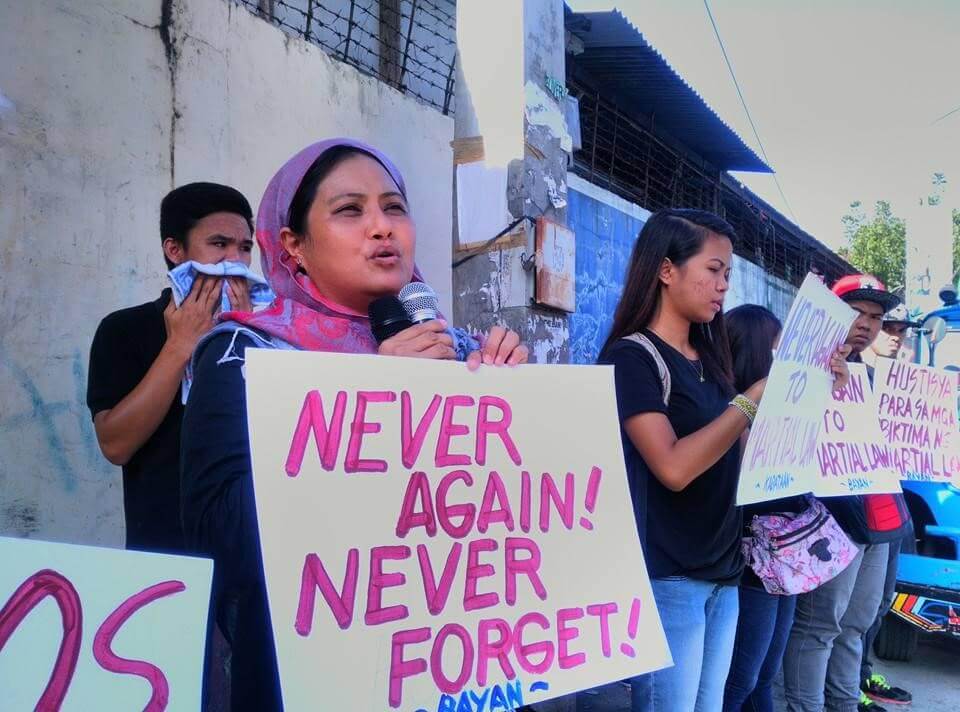
Despite these dangers, the Lumad continue to inspire through grassroots organizing and cultural resilience. Indigenous-led schools, known as Lumad schools, were created to provide culturally relevant education, focusing on ecological knowledge, human rights, and Indigenous history. These schools became powerful symbols of self-determination before facing repression. Lumad leaders and youth have brought international attention to their struggles through solidarity caravans, legal advocacy, and direct action. Their unwavering commitment to land defense and Indigenous knowledge stands as a beacon of resistance and hope in Southeast Asia.