Last Updated on October 3, 2013
On the NAIPC listserv this week, Robert Free Galvan asks some important questions of the North American Indigenous Peoples Caucus and the elite indigenous lobbyists who manipulate it to conform to the UN colonial model. He interestingly asks about the funding of such lobbying from notorious foundations as Ford.
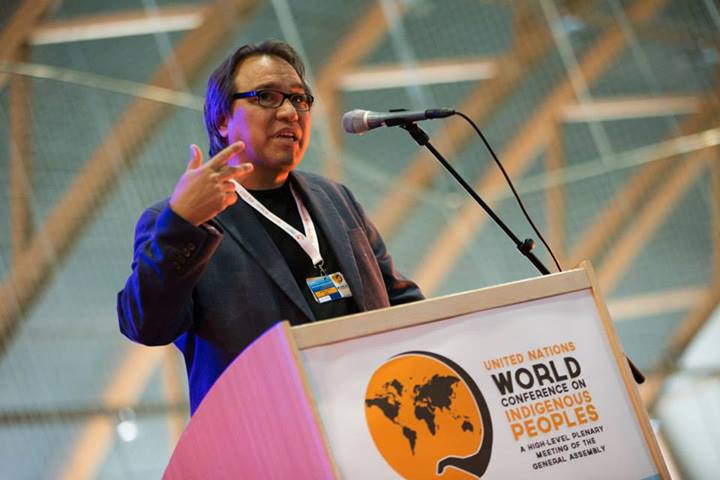
This will no doubt be an uncomfortable topic for the lobbyists who’ve grown accustomed to the international NGO lifestyle, but like Mr. Galvan says, the NAIPC credibility issue is increasingly being discussed as relates to the UN World Conference on Indigenous Peoples. That credibility issue, as we explored in Report from Sycuan and a follow-up article on the NAIPC coordinators’ misfeasance, means grassroots indigenous activists have good reason to be suspect of the motivations and trustworthiness of the indigenous lobbyists who have repeatedly been less than transparent or forthcoming with information about the UN process, which, as we noted previously, is designed to undermine the world indigenous peoples movement.
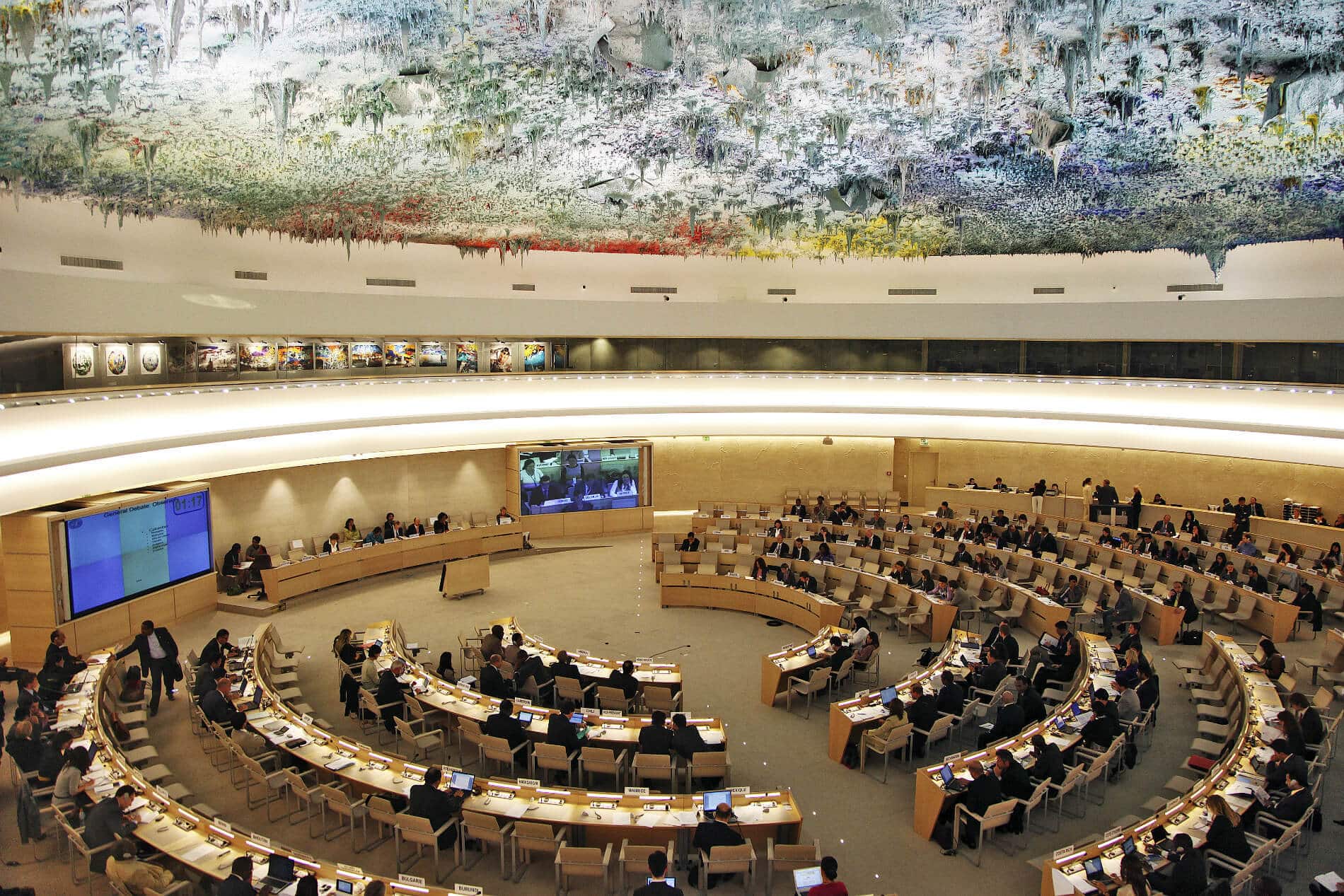
Update: On May 7, Kent Lebsock of Owe Aku International responded to the announcement of the UN Permanent Forum on Indigenous Issues appointments for the 2014-2016 term with the sarcastic remark, “Gee, we didn’t even know they were up for renewal. Very democratic.” While the nominations and appointments to this international body by the UN and its member states is no secret, Lebsock’s remark highlights the legitimate concern of indigenous governing authorities that the implementation of indigenous peoples human rights is constrained by the control the UN, its member states, and foundations like Gates and Ford exercise over the UN process.
The co-optation of influential indigenous NGOs by philanthropic colonization complicates indigenous activism; indeed, the capture of the UNPFII leadership in the form of corporate brokers like Grand Chief Edward John — head of the British Columbia Treaty Extinguishment Process and chair of the UNPFII — is not surprising, but it is challenging, especially when indigenous governing authorities already face overwhelming odds just trying to organize their diplomatic missions to the World Conference on Indigenous Peoples.
As I noted in January, in order to be heard, indigenous voices have to be present, even if that means enduring internal discord and external betrayal. For indigenous leaders, this is perhaps their greatest challenge, but it is one they must meet if indigenous self-determination is ever to become a reality.
Across the world right now, Indigenous peoples are facing a renewed assault on their lands, rights, and ways of life.
From extractive industries pushing deeper into ancestral territories, to governments rolling back hard-won protections,
the threat is global—and it is growing.
What makes this moment especially dangerous is how little attention it receives.
Stories like this are disappearing in real time. Mainstream media
barely covers it and the coverage is fragmented. The public is left without the context
needed to understand what is truly at stake.
That is exactly why IC Magazine exists..
For more than 20 years, IC has reported on Indigenous struggles worldwide — consistently, independently, and without compromise.
We don’t follow news cycles; we trace patterns. We don’t sensationalize; we provide context.
And when the world looks away, we stay focused.
But this work is increasingly difficult to sustain.
We refuse to lock our reporting behind a paywall. We don’t sell access through subscriptions.
And we don’t answer to advertisers. IC Magazine survives solely because readers like you choose to
support independent Indigenous journalism.
Please donate today if you can. Every contribution helps us to continue this crucial work.
Thank you,
John Ahni Schertow
Founder and Editor in Chief