Last Updated on April 11, 2025
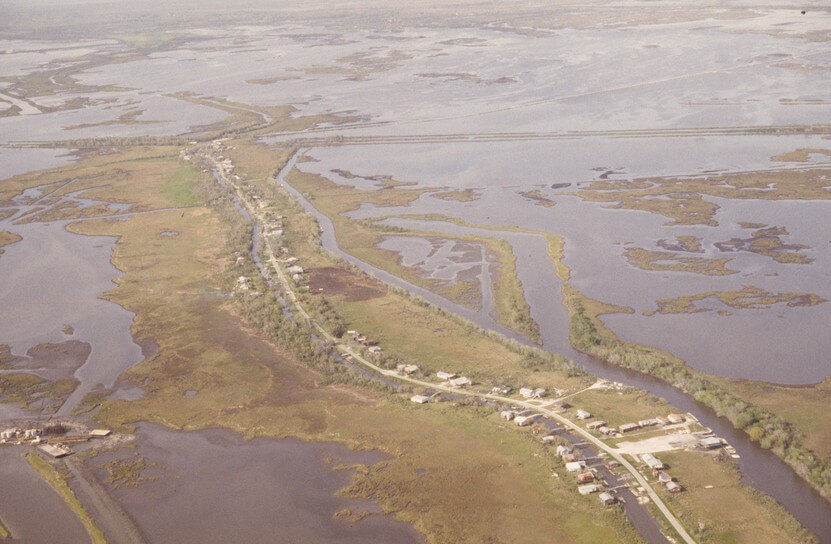
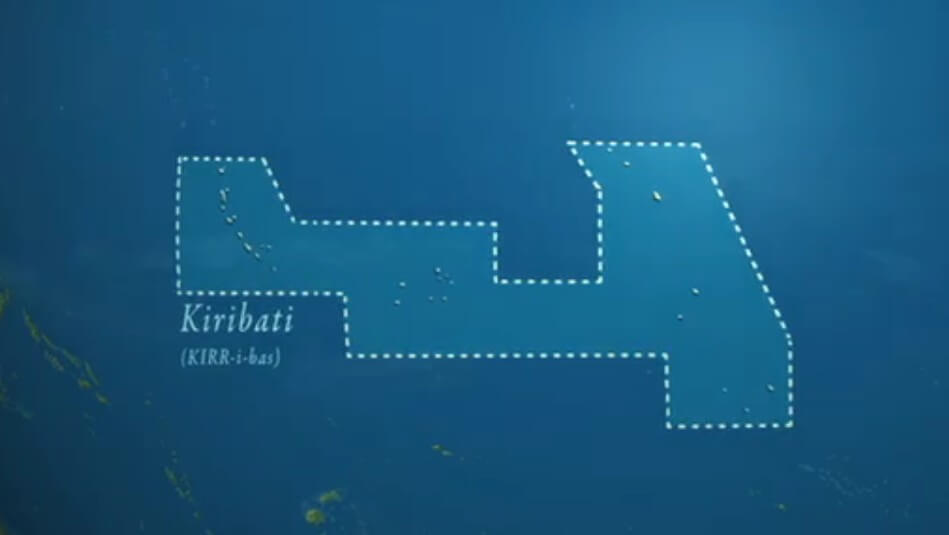
The central Pacific nation of Kiribati is expected to be one of the first countries to disappear as a result of climate change. Sea level rise and increasing salinity are threatening the homes and lives of 105,000 residents spread over 33 atolls. One of the least developed countries in the world, Kiribati has contributed little to worldwide carbon emissions, yet has the most to lose from climate change.
THE HUNGRY TIDE (2011) shows clearly the tragic impact of climate change on Kiribati, and exposes the stark global inequalities driving the global warming phenomenon. The film personalizes the story by following the life and work of Maria Tiimon, who evolves to become one of the most prominent advocates for the rights of Pacific Islanders. Originally from Kiribati, Maria works for an organization in Sydney as an impassioned campaigner for her sinking nation. But right from the start, Maria finds herself frequently torn between the needs of her family on Kiribati and her role on the world stage.
A rather shy Maria travels to the Climate Change Conference in Copenhagen to press for a new binding treaty to dramatically reduce greenhouse emissions. ”Industrial countries are causing change in the climate,” she says, ”and we are the first to feel the consequences.” Later, as a more confident advocate, she travels to Cancun for the next Climate Change Conference (COP16).
While Maria’s life and work unfold, the situation in Kiribati deteriorates. Seawalls protecting an entire community are swept away. Only decisive global action will save Kiribati from disappearing. But pledges made at the climate change conferences to cut carbon emissions have fallen far short of their targets. And promises to assist poorer countries to adapt to climate change haven’t materialized. As a result, Kiribati’s President believes that relocation may be the only option. “To plan for the day when you no longer have a country is indeed painful but I think we have to do that.”
To order a copy of this film visit www.thehungrytide.com.au
Across the world right now, Indigenous peoples are facing a renewed assault on their lands, rights, and ways of life.
From extractive industries pushing deeper into ancestral territories, to governments rolling back hard-won protections,
the threat is global—and it is growing.
What makes this moment especially dangerous is how little attention it receives.
Stories like this are disappearing in real time. Mainstream media
barely covers it and the coverage is fragmented. The public is left without the context
needed to understand what is truly at stake.
That is exactly why IC Magazine exists..
For more than 20 years, IC has reported on Indigenous struggles worldwide — consistently, independently, and without compromise.
We don’t follow news cycles; we trace patterns. We don’t sensationalize; we provide context.
And when the world looks away, we stay focused.
But this work is increasingly difficult to sustain.
We refuse to lock our reporting behind a paywall. We don’t sell access through subscriptions.
And we don’t answer to advertisers. IC Magazine survives solely because readers like you choose to
support independent Indigenous journalism.
Please donate today if you can. Every contribution helps us to continue this crucial work.
Thank you,
John Ahni Schertow
Founder and Editor in Chief