Last Updated on May 18, 2019
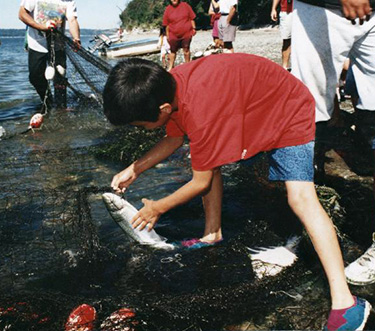
As Swinomish Tribal Chairman and President of the National Congress of American Indians Brian Cladoosby remarked recently, “Over the last 100 years, our most sacred site, the Salish Sea, has been deeply impacted by our pollution-based economy. We have decided no more and we are stepping forward.”
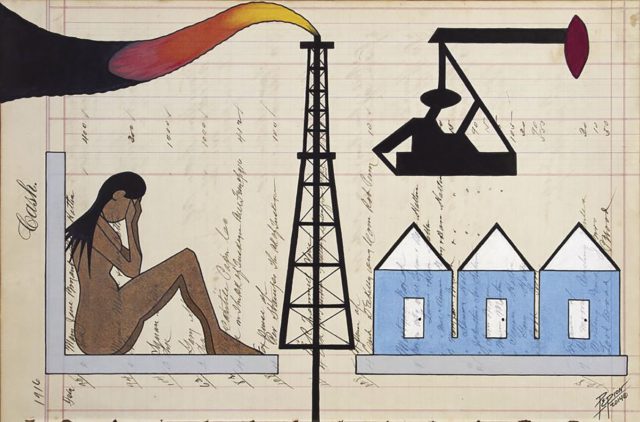
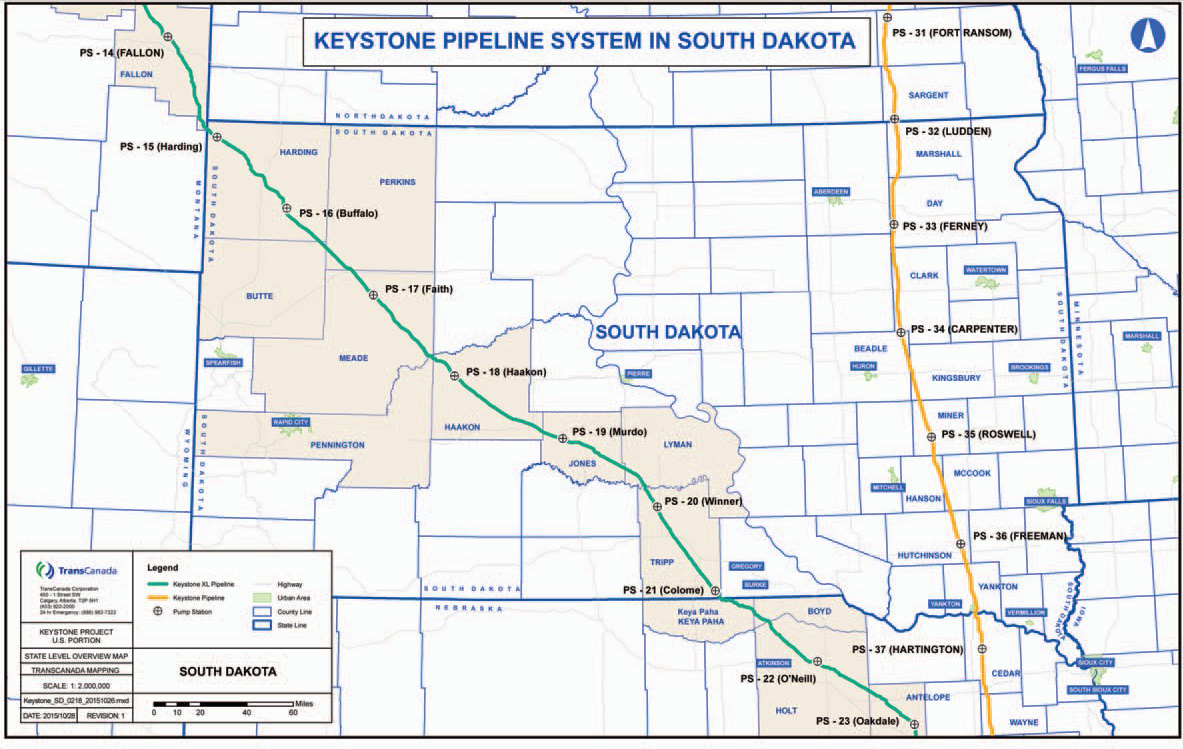
The pollution-based economy Cladoosby refers to includes environmentally devastating oil and coal mega-projects in Canada and the United States. As Wall Street seeks to cash in on fossil fuel export, the Tar Sands, the Powder River Basin coal mines and the Bakken Shale oil fields are a notorious part of that pollution-based economy threatening the Salish Sea.
As Dine scholar Larry Emerson noted, “our relationship to seventh generation principles of sustainability has been disrupted.” Contending with a legacy of corruption, plundered land, water and air, Dine (Navajo) youth — who’ve been culturally and ecologically devastated by the intergenerational traumas from uranium and coal mining — are demanding “the right to healthy Dine identities and ethical, sacred ecological lifestyles.”
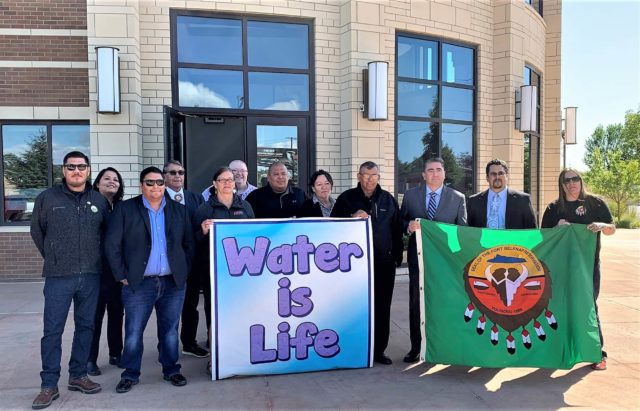
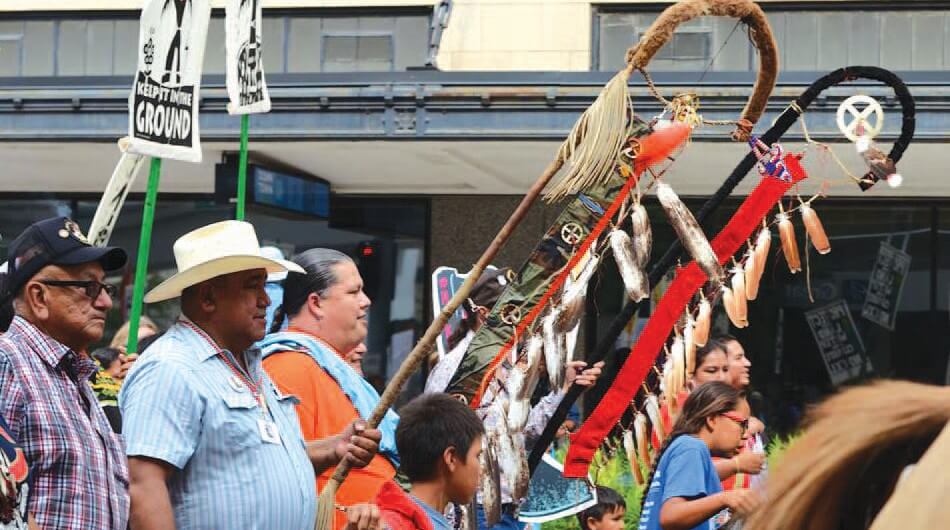
Fear and greed are tools companies like Peabody Coal, Pacific International Terminals and Burlington Northern Santa Fe Railroad use to divide and conquer indigenous peoples and American communities from the mountains of Appalachia to the mesas of Arizona and the shores of the Salish Sea. Stepping forward together as peoples of conscience means enlisting our humanity in combination with others.
As the renowned human rights organizer Bill Wassmuth observed, “To enhance and ensure our survival, it is not only noble, but necessary, to act upon the voice within.”
Across the world right now, Indigenous peoples are facing a renewed assault on their lands, rights, and ways of life.
From extractive industries pushing deeper into ancestral territories, to governments rolling back hard-won protections,
the threat is global—and it is growing.
What makes this moment especially dangerous is how little attention it receives.
Stories like this are disappearing in real time. Mainstream media
barely covers it and the coverage is fragmented. The public is left without the context
needed to understand what is truly at stake.
That is exactly why IC Magazine exists..
For more than 20 years, IC has reported on Indigenous struggles worldwide — consistently, independently, and without compromise.
We don’t follow news cycles; we trace patterns. We don’t sensationalize; we provide context.
And when the world looks away, we stay focused.
But this work is increasingly difficult to sustain.
We refuse to lock our reporting behind a paywall. We don’t sell access through subscriptions.
And we don’t answer to advertisers. IC Magazine survives solely because readers like you choose to
support independent Indigenous journalism.
Please donate today if you can. Every contribution helps us to continue this crucial work.
Thank you,
John Ahni Schertow
Founder and Editor in Chief