Last Updated on May 6, 2015
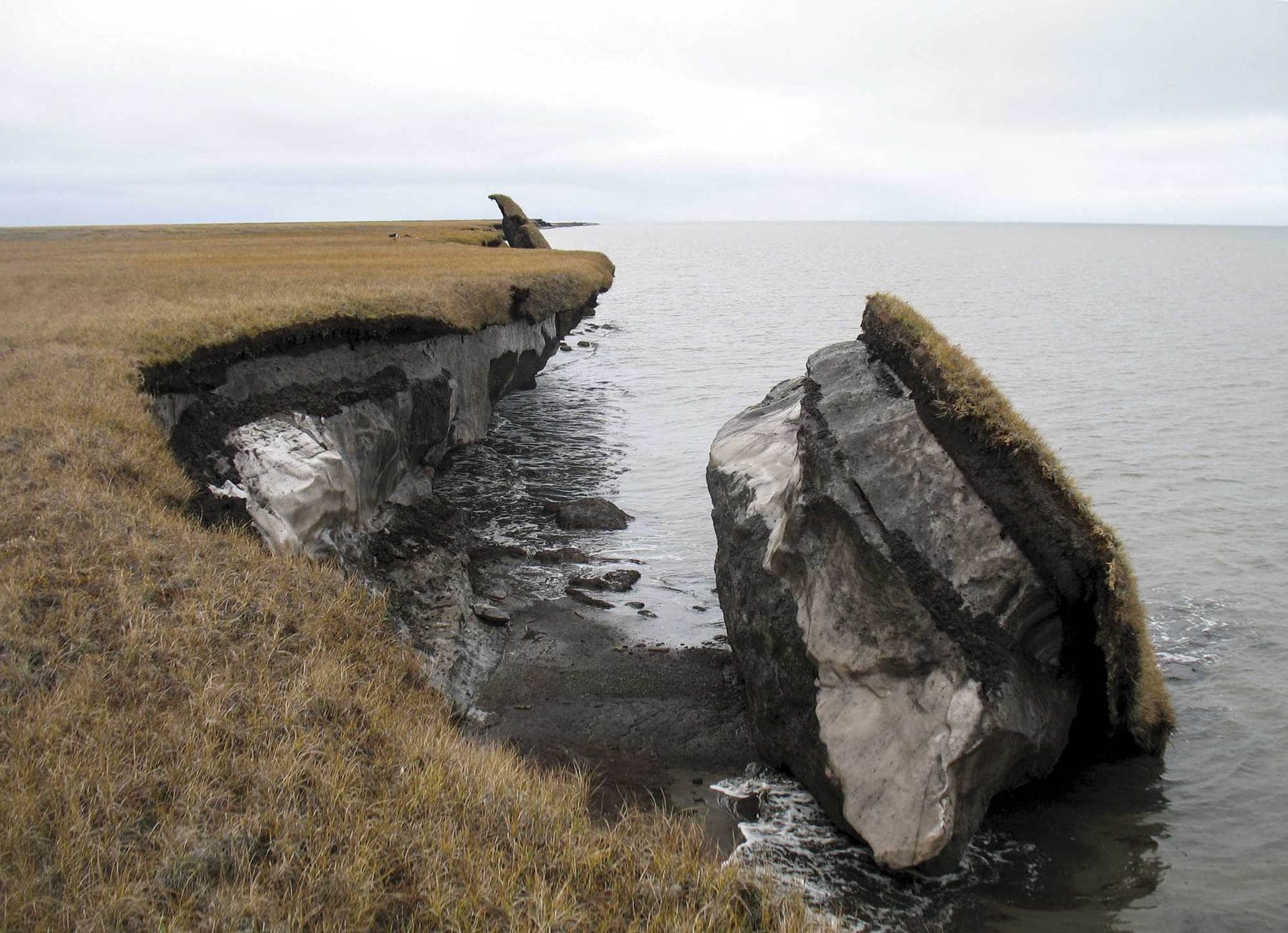
The Environmental and Energy Study Institute (EESI) held a briefing during Earth Week examining the impacts of sea level rise and oil and gas extraction on Native American communities. Across the United States, in Alaska, the Mississippi delta, the Northern Plains and the Great Lakes, land degradation presents challenges to indigenous peoples’ homes and livelihoods. As many Native American communities contemplate their potential displacement, one tribe is already preparing to move – the Isle de Jean Charles Band of Biloxi-Chitimacha-Choctaw Indians, who make their home in southern Louisiana. Our speakers discussed the tribe’s ambitious strategy to become one of the first coastal indigenous groups to relocate as a community in modern times, and why they feel it is necessary.
Speakers include:
JR Naquin, Standing in for Chief Albert Naqui of the Biloxi-Chitimacha-Choctaw, Isle de Jean Charles, Louisiana
Bob Gough, Secretary, Intertribal Council on Utility Policy
Dr. Julie Maldonado, Anthropologist and climate justice expert
Experiences such as the Isle de Jean Charles Tribe’s inspired the White House to convene a State, Local and Tribal Leaders Task Force on Climate Preparedness and Resilience, which met from 2013 to 2014. Last November, the Task Force published a report of 35 recommendations on how the federal government can assist local climate resilience efforts. This briefing examined some of the recommendations from tribal communities, such as encouraging the incorporation of climate resilience into land use development and management practices.
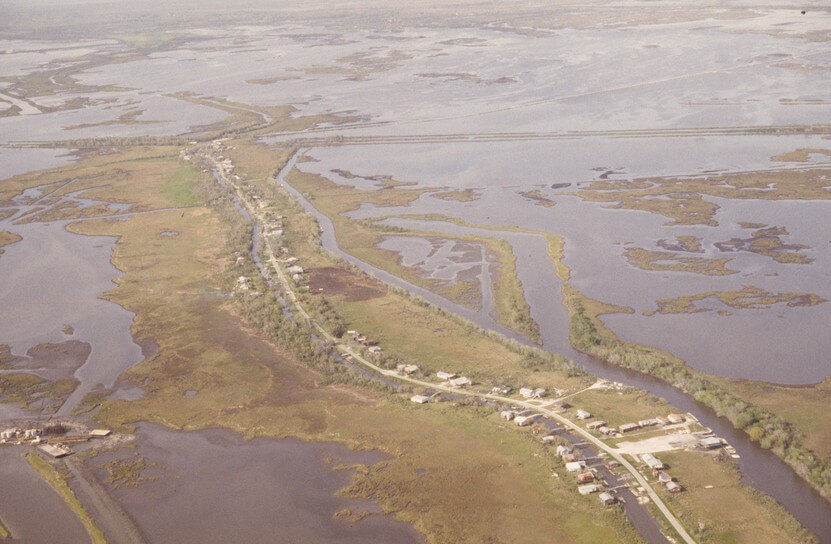
The Isle de Jean Charles Tribe, which has made its home for 170 years on the Isle de Jean Charles in the bayous of southern Louisiana, has seen decades of oil and gas extraction operations, restrictive levees, and salt water intrusion from sea level rise severely diminish the freshwater marsh around its island. The dwindling marsh can no longer protect the island from ocean tides, which will eventually destroy it. Chief Albert Naquin is leading the Isle de Jean Charles Tribe as they preserve their community and culture by moving together to a new home. The tribe’s vision for their new community will emphasize agricultural sustainability, healthy living, and pride in the culture and tribal identity of the group.
The briefing included a 10-minute screening of Can’t Stop the Water, a short film examining the struggle and optimism of the Isle de Jean Charles Tribe. The tribe hopes its story and innovative relocation plan can serve as a model for other tribal communities facing displacement due to land loss.
Chief Albert Naquin, Bob Gough and Dr. Julie Maldonado were visiting Washington, DC as part of an East Coast tour to build awareness of tribal relocation issues. Other stops included New York and Philadelphia.
Across the world right now, Indigenous peoples are facing a renewed assault on their lands, rights, and ways of life.
From extractive industries pushing deeper into ancestral territories, to governments rolling back hard-won protections,
the threat is global—and it is growing.
What makes this moment especially dangerous is how little attention it receives.
Stories like this are disappearing in real time. Mainstream media
barely covers it and the coverage is fragmented. The public is left without the context
needed to understand what is truly at stake.
That is exactly why IC Magazine exists..
For more than 20 years, IC has reported on Indigenous struggles worldwide — consistently, independently, and without compromise.
We don’t follow news cycles; we trace patterns. We don’t sensationalize; we provide context.
And when the world looks away, we stay focused.
But this work is increasingly difficult to sustain.
We refuse to lock our reporting behind a paywall. We don’t sell access through subscriptions.
And we don’t answer to advertisers. IC Magazine survives solely because readers like you choose to
support independent Indigenous journalism.
Please donate today if you can. Every contribution helps us to continue this crucial work.
Thank you,
John Ahni Schertow
Founder and Editor in Chief