
Last Updated on August 4, 2018
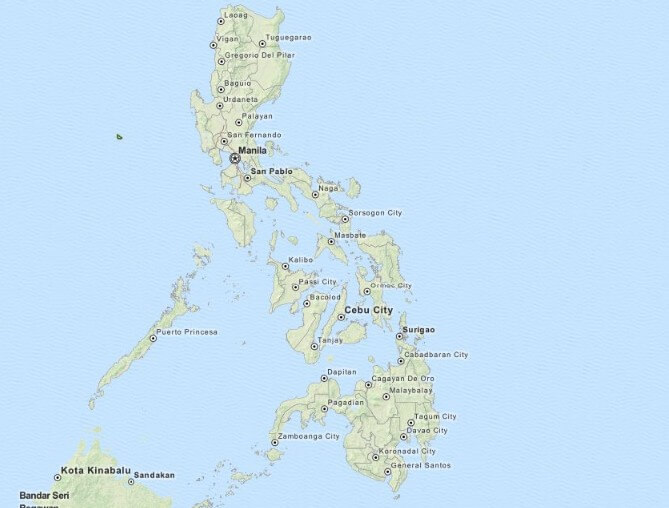
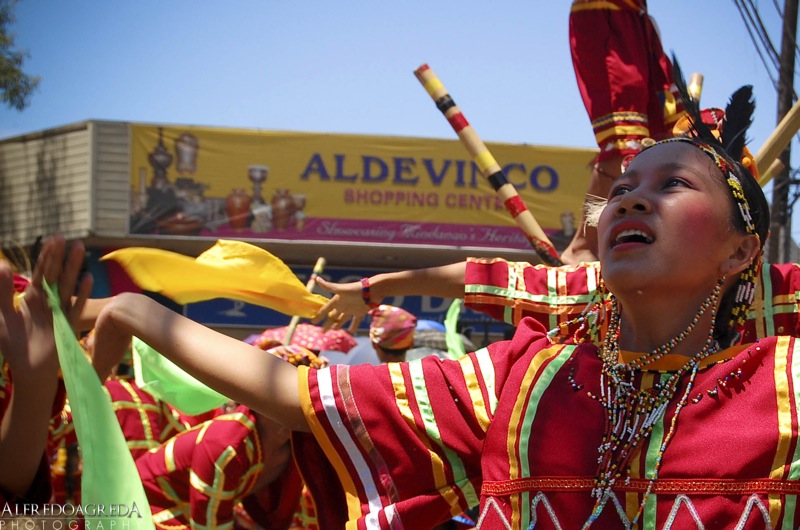
More than eighty Lumad leaders from around Mindanao have issued a joint declaration reasserting their rights and urging all other stakeholders in Mindanao’s peace processes to let the Lumad Peoples live in peace.
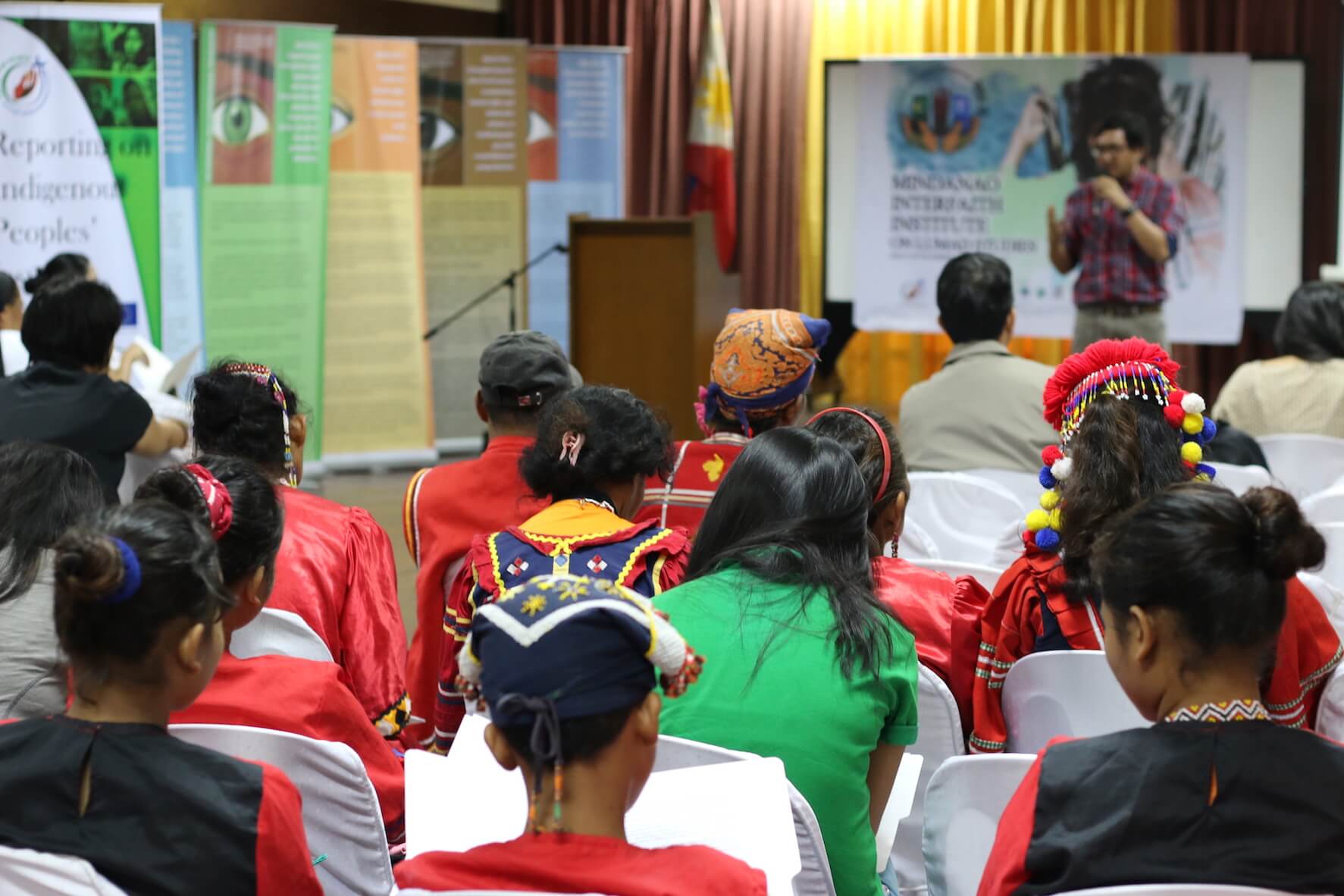
The Midsayap Declaration follows the “Indigenous Peoples’ Conference on the Peace Processes in Mindanao” held in Midsayap, North Cotabato, on November 3-6, 2012.
The four-day conference brought the Indigenous leaders together with representatives of Mindanao’s peace panels to discuss the terms of the recently signed Framework Agreement on Bangsamoro (FAB). The preliminary agreement, which lays the groundwork for ‘enduring peace’ in Mindanao, was signed on Oct 15, 2012, after nine years of peace talks between the Government of the Philippines (GPH) and the Moro Islamic Liberation Front (MILF).
For more than three decades, MILF–and at least 3 other armed groups—fought a war independence in Mindanao, where Muslim Filipinos (Bangsamoros, or more simply Moros) have lived since the 15th century. During the course of the war, some 2 million people were displaced and up to 150,000 were killed.
The Lumad did their best to stay stay out of conflict, however, the Moro armed groups MILF and the MNLF along with the Communist-led New People’s Army and the armed forces of the Philippines–constantly turned to the Lumad to fill their ranks. All the while, few seemed to notice that the Lumad also held aspirations of freedom and autonomy; they just weren’t willing to take it by force.
Now, with the signing of FAB, a true end to the decades-long conflict is on the horizon; the Lumad just want to make sure that their hopes and needs aren’t once again pushed to the site and that they can continue to live on their lands in accordance with their own customs and traditions.
A central part of FAB is the proposed creation of an autonomous political entity for the Bangsamoro known as “Bangsamoro Territory”. Governed by Shari’ah law, the proposed territory would cover the region currently known as the Autonomous Region of Muslim Mindanao (ARMM).
Sadly, FAB does not provide for Lumad autonomy; but it does take Indigenous Peoples Rights into consideration. Article I Section 5 on the Establishment of the Bangsamoro, states that the “freedom of choice of other indigenous peoples shall be respected.” Artcile III Section 6 on Powers, further states that the “customary rights and traditions of indigenous peoples shall be taken into consideration in the formation of the Bangsamoro’s justice system” and that “this may include the recognition of indigenous processes as alternative modes of dispute resolution.” Finally, Article VI Section 3 on Basic Rights, provides that “indigenous peoples’ rights shall be respected.”
Satisfied by these words, the Lumad agree in their declaration to commit to all Mindanao peace processes while reasserting their distinct identity, their ancestral lands and rights, the primacy of their customary laws as well as their traditional governance and justice systems.
The Lumad also outlined a set of 15 requests to the Government of Philippines, the revolutionary groups and other stakeholders in the peace processes. Most notably, they ask the stakeholders to work to fully implement the Indigenous Peoples’ Rights Act; to fully implement and establish the Autonomous Region of Indigenous Peoples in Mindanao; to spare the ancestral domains of the Indigenous Peoples from becoming battlegrounds in the future and to support its declaration as Zones of Peace; to stop the recruitment of Indigenous Peoples, especially women and children; and to launch open and continuous multi stakeholders dialogue between the communities and the armed groups.
The Lumad represent a total of seventeen distinct Indigenous Peoples in Mindanao, namely: Atta, Bagobo, Banwaon, B’laan, Bukidnon, Dibabawon, Higaonon, Mamanwa, Mandaya, Manguwangan, Manobo, Mansaka, Tagakaolo, Tasaday, Tboli, Teduray and Ubo. Their combined population is roughly 13 million.
Across the world right now, Indigenous peoples are facing a renewed assault on their lands, rights, and ways of life.
From extractive industries pushing deeper into ancestral territories, to governments rolling back hard-won protections,
the threat is global—and it is growing.
What makes this moment especially dangerous is how little attention it receives.
Stories like this are disappearing in real time. Mainstream media
barely covers it and the coverage is fragmented. The public is left without the context
needed to understand what is truly at stake.
That is exactly why IC Magazine exists..
For more than 20 years, IC has reported on Indigenous struggles worldwide — consistently, independently, and without compromise.
We don’t follow news cycles; we trace patterns. We don’t sensationalize; we provide context.
And when the world looks away, we stay focused.
But this work is increasingly difficult to sustain.
We refuse to lock our reporting behind a paywall. We don’t sell access through subscriptions.
And we don’t answer to advertisers. IC Magazine survives solely because readers like you choose to
support independent Indigenous journalism.
Please donate today if you can. Every contribution helps us to continue this crucial work.
Thank you,
John Ahni Schertow
Founder and Editor in Chief