Last Updated on May 20, 2019
Colonialism Reparation calls on France to carry out the immediate withdrawal of its troops and asks that the armed forces of Mali be backed only by the UN mission of support under African command.
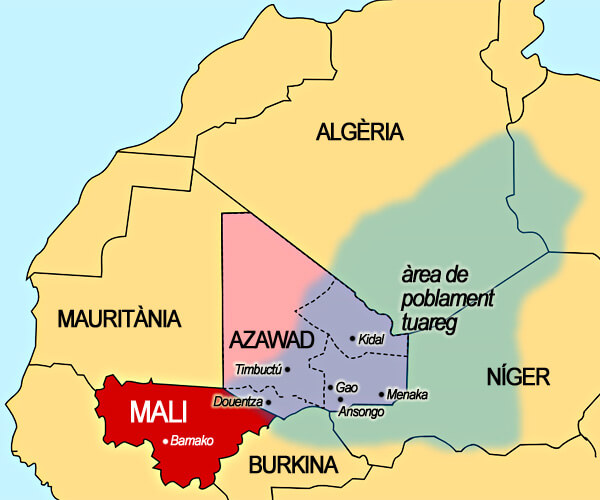
On January 11 2013 the French President François Hollande announced a military intervention in Mali in response to a request for help from the Malian President Dioncounda Traoré. The deployment of the operation Serval has resulted in little more than a month in the presence on the Malian ground of about 4,000 French soldiers (currently in West Africa there are 950 French soldiers in Chad with the operation Epervier, 450 French soldiers in Ivory Coast with the operation Licorne, 200 French soldiers in the Central African Republic with the operation Boali in addition to the permanent presence of about 400 French soldiers in Senegal).
The military intervention in Mali was first carried out by France outside of any UN mandate or military cooperation agreement, only relying on Article 51 of the UNO Charter. It was prepared in the previous months and activated under French pressure; moreover it was originated from the French choice to attack Libya and to support the claims of independence of Azawad.
Obviously, the origin of this complicated situation dates back to the scramble for Africa which characterized the imperialist stage of colonialism between the late nineteenth and early twentieth century. The colonial powers, from the Berlin Conference onward, have integrated within any future African nation some ethnic groups fighting each other, so as to make the best use the divide and conquer.
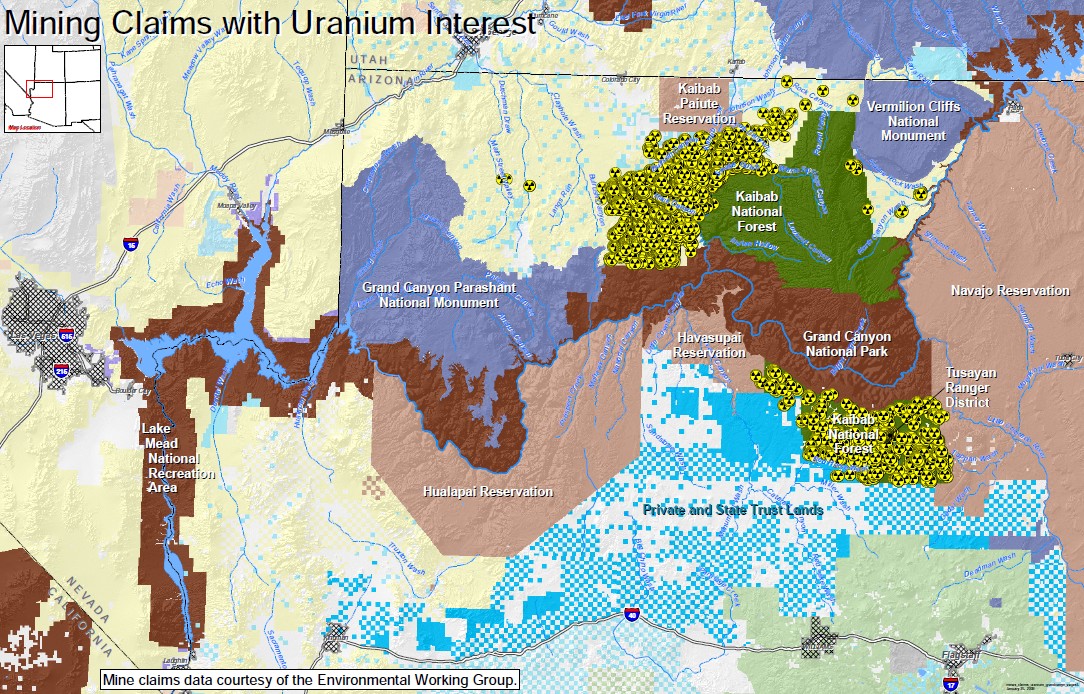
The real aim of the French military intervention is clear, namely the control over natural resources (gold, uranium, oil, etc.) of which Mali is rich and that have only minimally been exploited so far. It is equally clear that all of this does not appear in public speeches, in which the French president go as far as to say that “today we are repaying our debt to you.”
Colonialism Reparation thus calls on France to carry out the immediate withdrawal of its troops and asks that the armed forces of Mali be backed only by the UN Mission of Support under African command (AFISMA, to whose command the Chadian contingent be subordinated).
For further information, inquiries and interviews, please contact:
Colonialism Reparation http://www.colonialismreparation.org
Press Office: media@colonialismreparation.org
Colonialism Reparation is an international movement for the acknowledgement, the reconciliation, the apologies and the reparations of colonialism. It develops nonviolent activities at a personal and institutional level to create awareness of the situation and to make sure that the colonizing nations which have given rise to situations of inhumane injustice and suffering condemn their colonial actions recognizing their behavior as criminal, they reconcile with their past, apologize and finally pay reparations to the colonized countries.
Across the world right now, Indigenous peoples are facing a renewed assault on their lands, rights, and ways of life.
From extractive industries pushing deeper into ancestral territories, to governments rolling back hard-won protections,
the threat is global—and it is growing.
What makes this moment especially dangerous is how little attention it receives.
Stories like this are disappearing in real time. Mainstream media
barely covers it and the coverage is fragmented. The public is left without the context
needed to understand what is truly at stake.
That is exactly why IC Magazine exists..
For more than 20 years, IC has reported on Indigenous struggles worldwide — consistently, independently, and without compromise.
We don’t follow news cycles; we trace patterns. We don’t sensationalize; we provide context.
And when the world looks away, we stay focused.
But this work is increasingly difficult to sustain.
We refuse to lock our reporting behind a paywall. We don’t sell access through subscriptions.
And we don’t answer to advertisers. IC Magazine survives solely because readers like you choose to
support independent Indigenous journalism.
Please donate today if you can. Every contribution helps us to continue this crucial work.
Thank you,
John Ahni Schertow
Founder and Editor in Chief