Last Updated on April 10, 2025
In 2000, when the Montana Human Rights Network published its report Drumming Up Resentment, the United Nations was still seven years away from passing its Declaration on the Rights of Indigenous Peoples, which, in essence, extended the international human rights regime to include indigenous peoples. As such, as recently as ten years ago, many Americans were still struggling with the conceptual difference between civil rights and human rights.
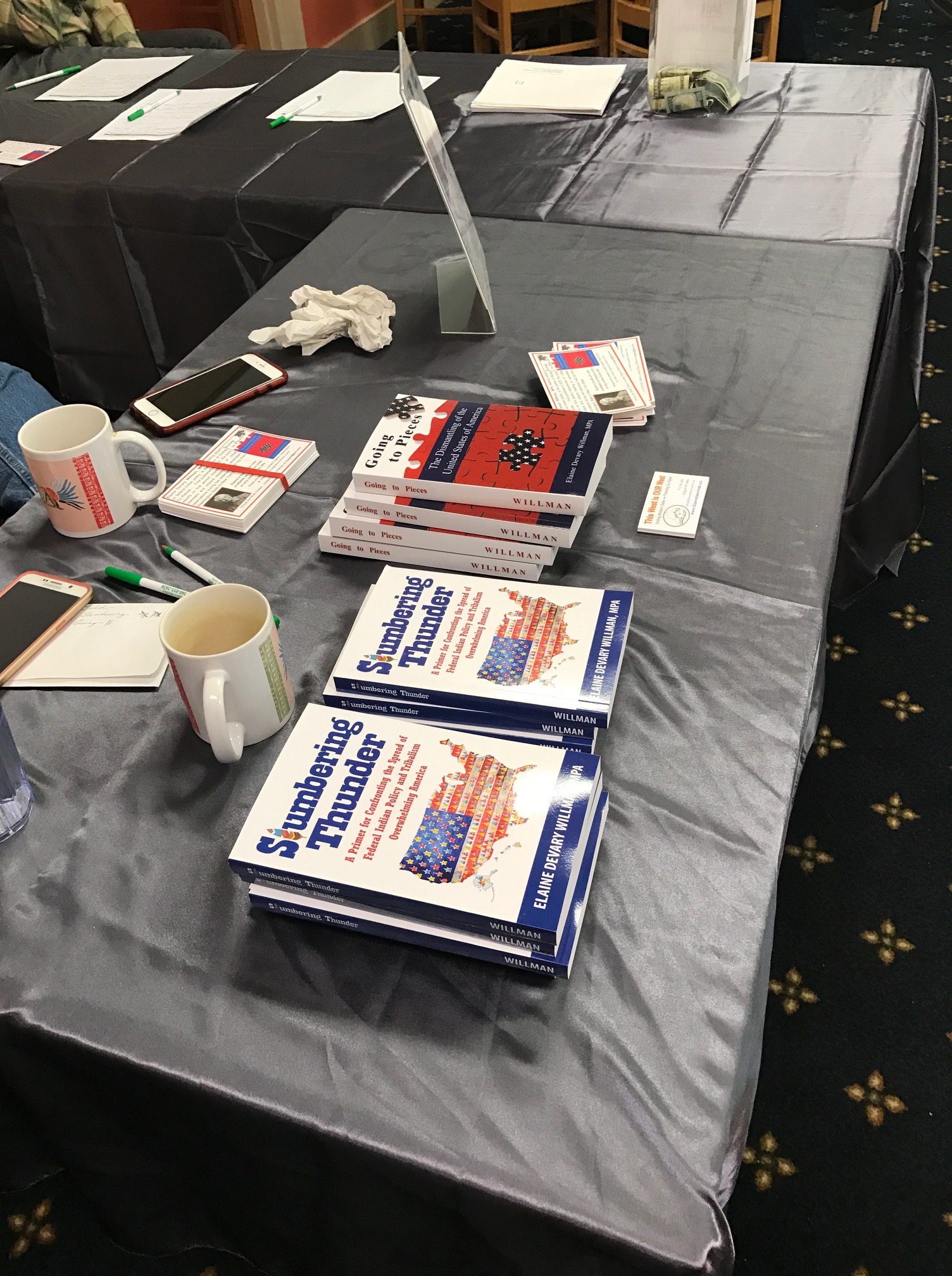
With the benefit of hindsight, we now know the difference. Nevertheless, the insight of the MHRN report’s author Ken Toole remains essential to the indigenous peoples’ struggle today. In fact, as the Anti-Indian Movement in the United States launches a national offensive to terminate Indian tribes, Toole’s analysis is fundamental to our understanding of the current conflict.
The context in which most people place words like racism, prejudice, and discrimination is the civil rights movement of the 1950s and 1960s. In that context, an oppressed minority, African Americans, sought inclusion, a piece of the pie, equal opportunity and integration.
The struggle for civil rights in Indian country is different. It rests more on sovereignty and autonomy than on inclusion and integration. The legal framework created by the civil rights activists of the 1950s and 1960s sought to secure equal treatment within existing institutions and law. Indian rights activists, by and large, seek recognition of their right to develop their own law. Basically, they seek recognition of a right to self-determination. This difference is confusing and gives the anti-Indian movement an advantage in the rhetorical arena.
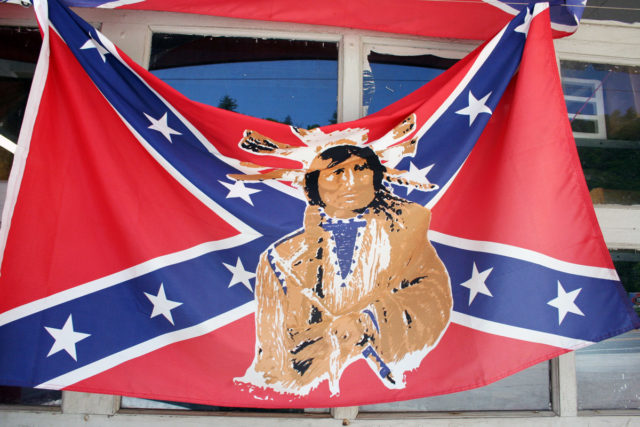
Taken at face value, the anti-Indian movement is a systematic effort to deny legally established rights to a group of people who are identified on the basis of their shared culture, history, religion and tradition. That makes it racist by definition.
–Ken Toole, Montana Human Rights Network, January 2000
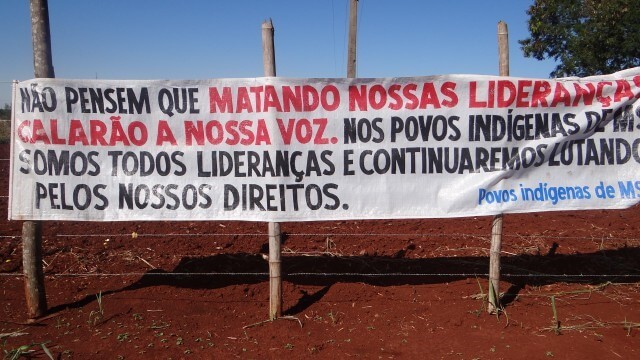
Across the world right now, Indigenous peoples are facing a renewed assault on their lands, rights, and ways of life.
From extractive industries pushing deeper into ancestral territories, to governments rolling back hard-won protections,
the threat is global—and it is growing.
What makes this moment especially dangerous is how little attention it receives.
Stories like this are disappearing in real time. Mainstream media
barely covers it and the coverage is fragmented. The public is left without the context
needed to understand what is truly at stake.
That is exactly why IC Magazine exists..
For more than 20 years, IC has reported on Indigenous struggles worldwide — consistently, independently, and without compromise.
We don’t follow news cycles; we trace patterns. We don’t sensationalize; we provide context.
And when the world looks away, we stay focused.
But this work is increasingly difficult to sustain.
We refuse to lock our reporting behind a paywall. We don’t sell access through subscriptions.
And we don’t answer to advertisers. IC Magazine survives solely because readers like you choose to
support independent Indigenous journalism.
Please donate today if you can. Every contribution helps us to continue this crucial work.
Thank you,
John Ahni Schertow
Founder and Editor in Chief