Last Updated on April 10, 2025
Still not sure about Stephen Harper’s Plan for First Nations? The respected Mohawk Policy Analyst, Russell Diabo (who previously authored the detailed expose “Harper Launches Major First Nations Termination Plan“) has published a quick two-page primer that you can download, print and, if you’re so inclined, glue to the doors and windows of your local band office!
Termination means the ending of First Nations pre-existing sovereign status through imposed Indian Act legislation, policy and federal coercion of First Nations into Land Claims and Self Government Final Agreements that convert First Nations into municipalities, their reserves into fee simple lands and extinguishment of their Inherent, Aboriginal and Treaty Rights!
In 2006, Stephen Harper’s Conservative Platform promised to:
“Replace the Indian Act [and related legislation] with a modern legislative framework which provides for the devolution of full legal and democratic responsibility to aboriginal Canadians for their own affairs within the Constitution, including the Charter of Rights and Freedoms.”
Of course “modern” in Conservative terms means assimilation of First Nations by termination of their collective rights and offloading federal responsibilities onto the First Nations themselves and the provinces. “Aboriginal Canadians” is the term the government of Canada uses to describe First Nations because the Termination goal is to convert “Indian Bands” into ethnic municipalities with fee simple lands under provincial jurisdiction.
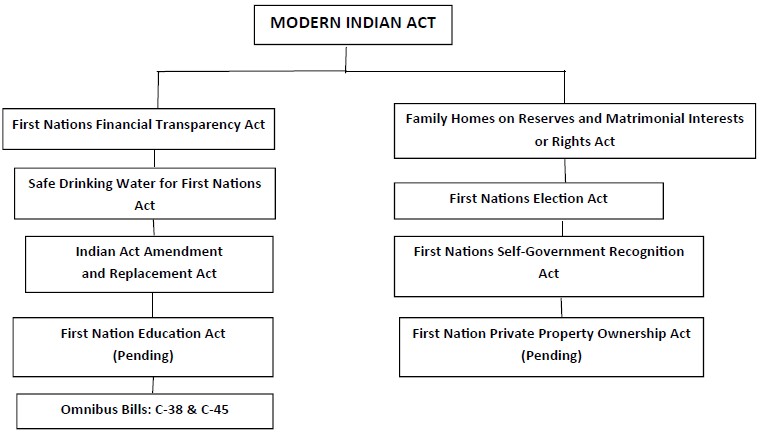
The Harper government is implementing a First Nations Termination Plan through two tracks: 1) a “Modern” amended Indian Act; or through 2) Self-Government/Comprehensive Claims Final Agreements. The Termination Plan is based upon the following key tenets using federal laws, policies, funding and law (and if necessary military) enforcement:
Other measures too, essentially accepting to become Aboriginal municipalities. [Adapted from Federal Powerpoint entitled “Results Based Approach to Canada’s Participation in Treaty and Self-Government Negotiations – Engagement Process]
Across the world right now, Indigenous peoples are facing a renewed assault on their lands, rights, and ways of life.
From extractive industries pushing deeper into ancestral territories, to governments rolling back hard-won protections,
the threat is global—and it is growing.
What makes this moment especially dangerous is how little attention it receives.
Stories like this are disappearing in real time. Mainstream media
barely covers it and the coverage is fragmented. The public is left without the context
needed to understand what is truly at stake.
That is exactly why IC Magazine exists..
For more than 20 years, IC has reported on Indigenous struggles worldwide — consistently, independently, and without compromise.
We don’t follow news cycles; we trace patterns. We don’t sensationalize; we provide context.
And when the world looks away, we stay focused.
But this work is increasingly difficult to sustain.
We refuse to lock our reporting behind a paywall. We don’t sell access through subscriptions.
And we don’t answer to advertisers. IC Magazine survives solely because readers like you choose to
support independent Indigenous journalism.
Please donate today if you can. Every contribution helps us to continue this crucial work.
Thank you,
John Ahni Schertow
Founder and Editor in Chief