Last Updated on May 19, 2019
Contacts:
Manolo Miranda, Movimiento 10 de Abril (M-10), (507) 65632790, m10deabril@hotmail.com
Abby Rubinson, Earthjustice, (415) 217-2047, arubinson@earthjustice.org
María José Veramendi Villa, Interamerican Association for Environmental Defense (AIDA), (51) 954114393, mveramendi@aida-americas.org
Amanda Kistler, Center for International Environmental Law (CIEL), (202) 742-5832, akistler@ciel.org
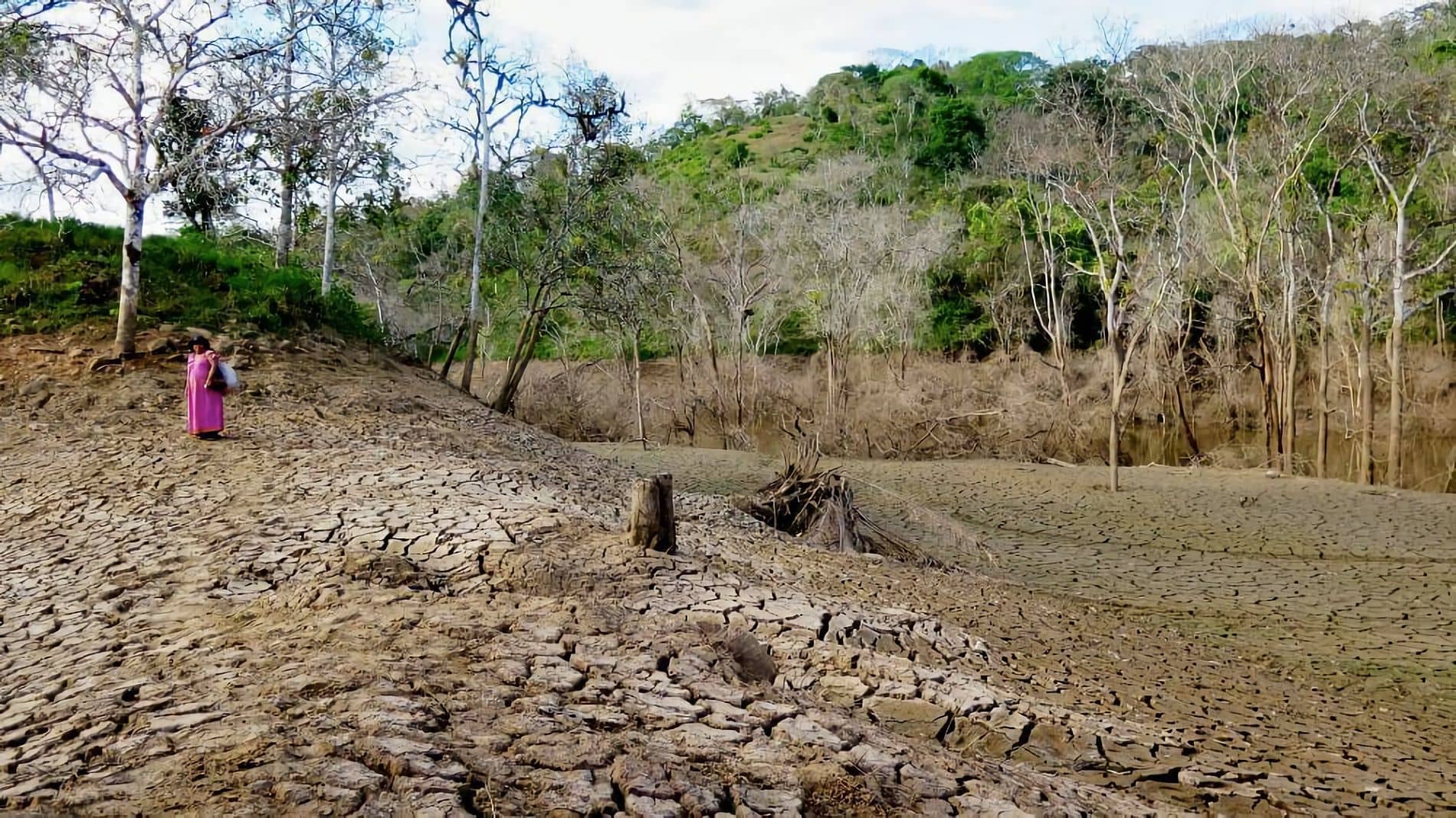
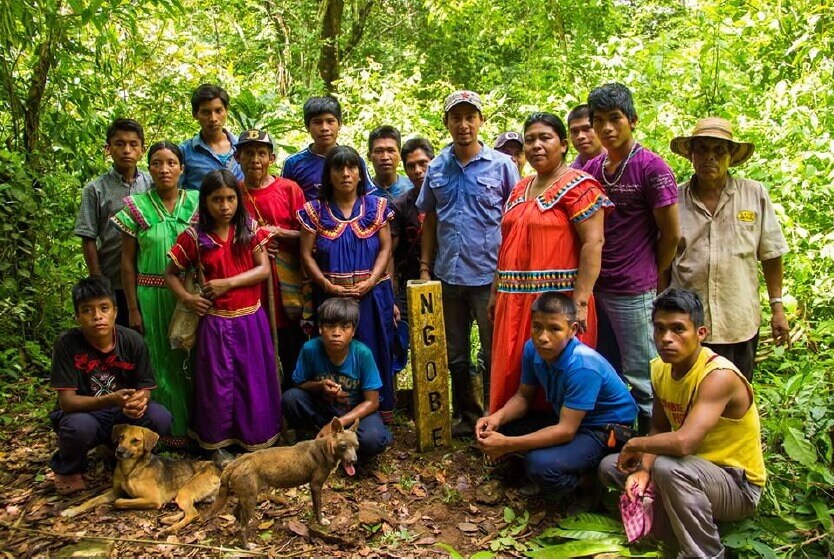
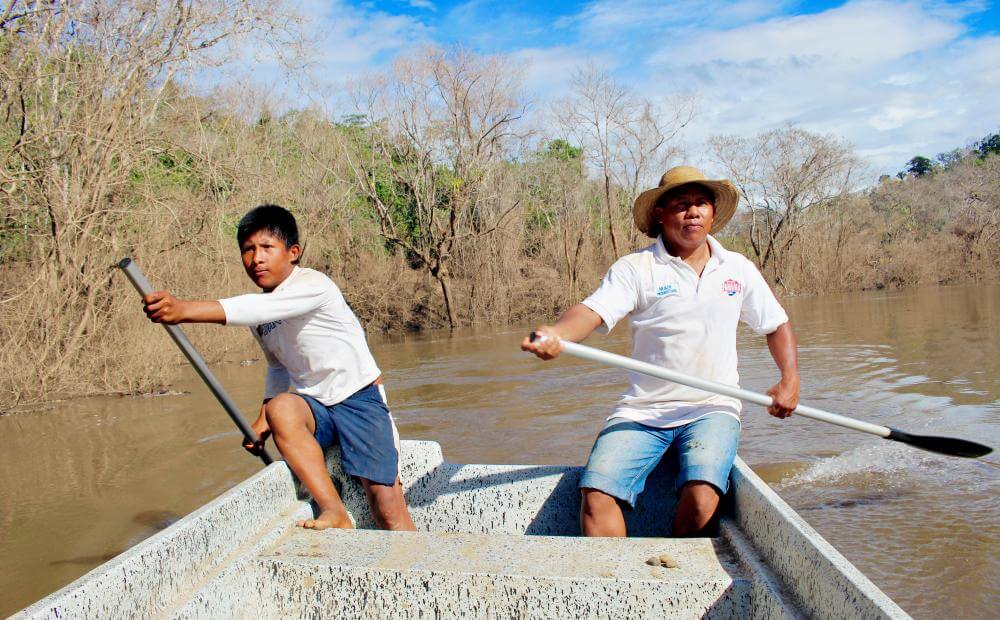
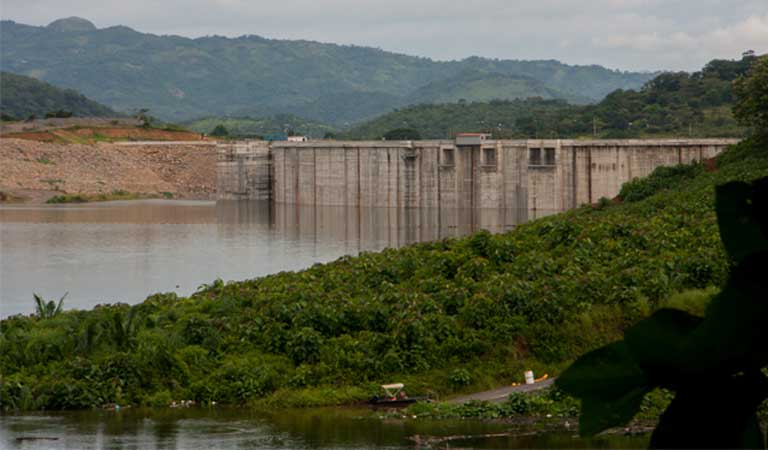
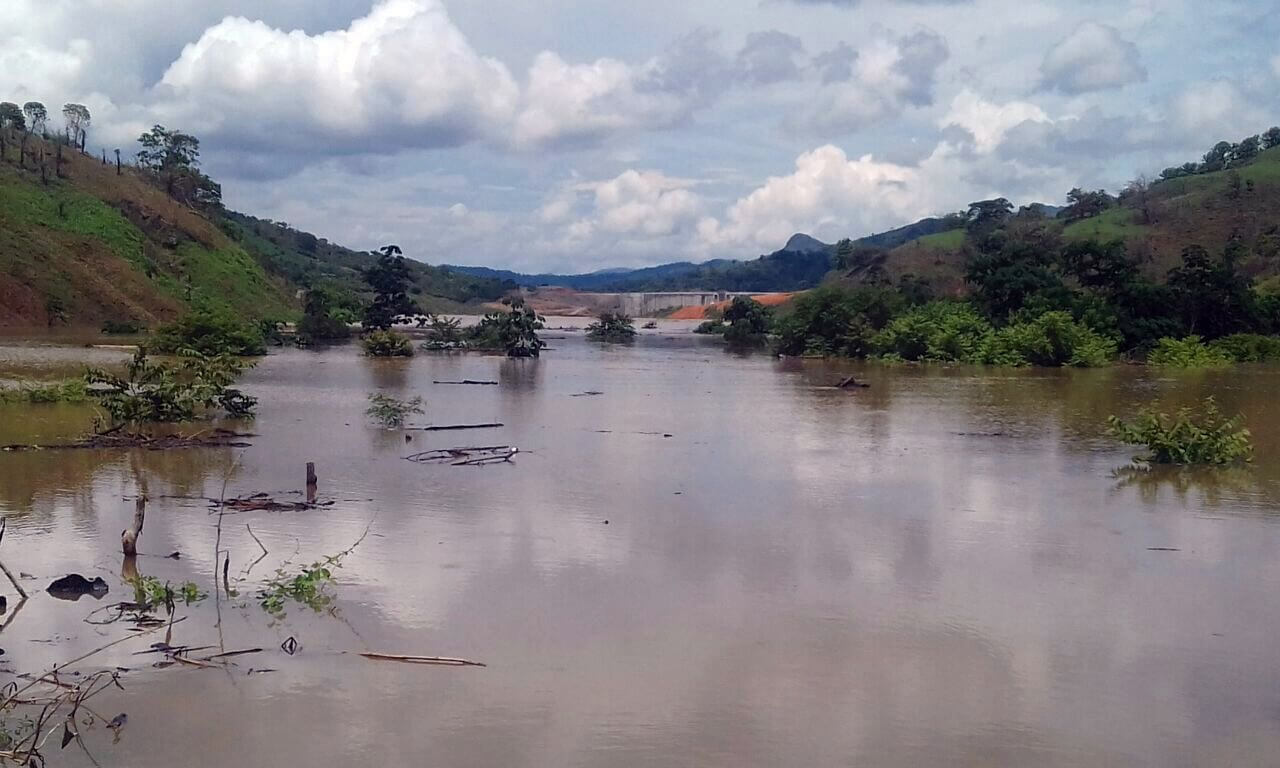
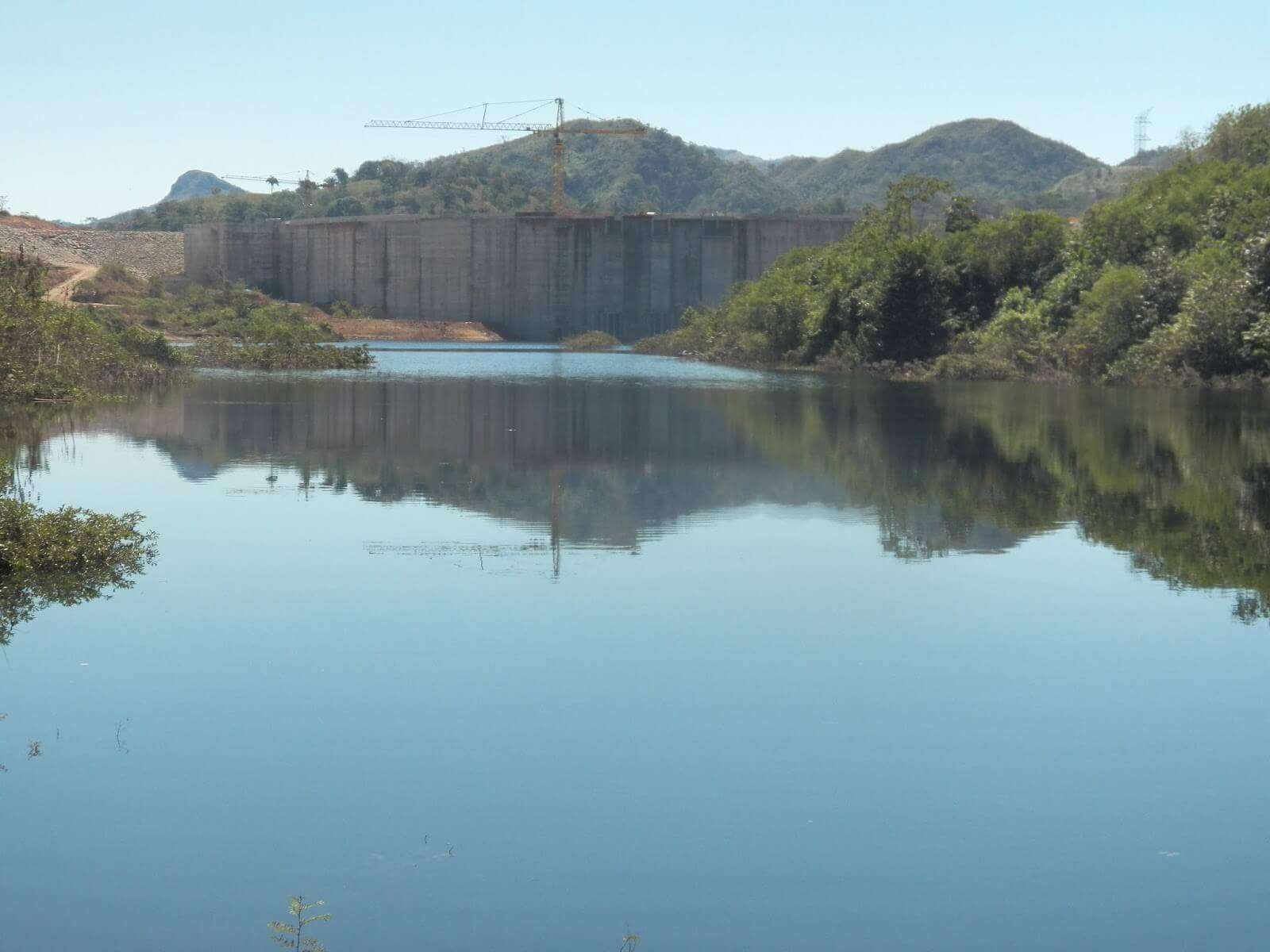
Washington D.C. – Environmental and human rights organizations submitted an urgent appeal to United Nations Special Rapporteurs on behalf of members of the indigenous Ngöbe community – the community faces imminent forced eviction from their land for the Barro Blanco hydroelectric dam project in western Panama. The eviction would force Ngöbe communities from their land, which provides their primary sources of food and water, means of subsistence, and culture.
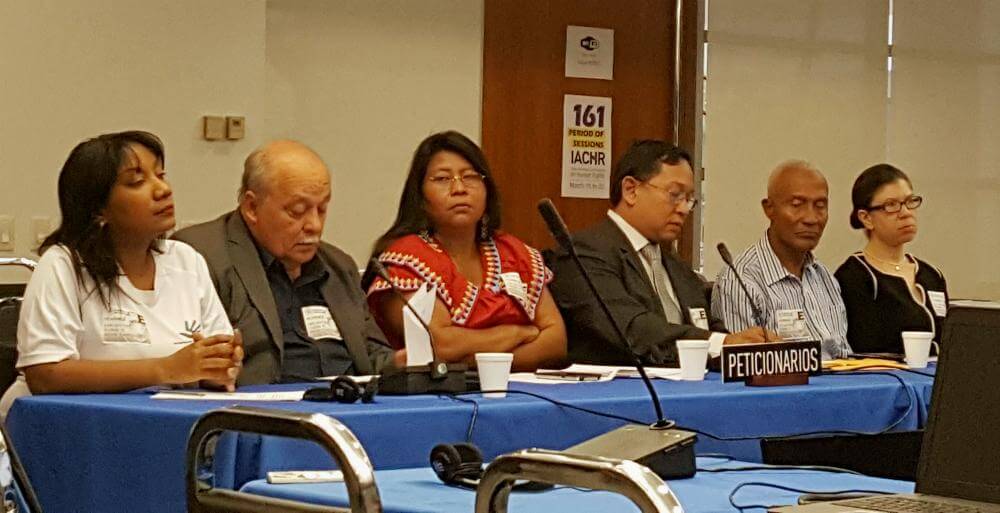
The urgent appeal, submitted by the Ngöbe organization Movimiento 10 de Abril para la Defensa del Rio Tabasará (M10) and three international NGOs, the Interamerican Association for Environmental Defense (AIDA), the Center for International Environmental Law (CIEL), and Earthjustice, asks the Special Rapporteurs to call upon the State of Panama to suspend the eviction process and dam construction until it complies with its obligations under international law. Given that the project is financed by the German and Dutch development banks (DEG and FMO, respectively) and the Central American Bank for Economic Integration (CABEI), the groups also urge the Special Rapporteurs to call on Germany, the Netherlands, and the member States of CABEI to suspend financing until each country has taken measures to remedy and prevent further violations of the Ngöbe’s human rights.
The forced evictions of the Ngöbe are the most recent threat arising from the Barro Blanco project. These evictions raise imminent violations of their human rights to adequate housing; property, including free, prior and informed consent; food, water and means of subsistence; culture; and education. “Our lands and natural resources are the most important aspects of our culture. Every day, we fear we will be forced from our home,” said Weni Bagama of the M10.
The appeal highlights the fact that the Ngöbe were never consulted, nor gave consent to leave their land. “Panama must respect the rights of the Ngöbe indigenous peoples and refrain from evicting them. Executing these forced evictions will constitute a violation of international human rights law,” said María José Veramendi Villa of AIDA.
Also central to the appeal is the role of governments whose banks are funding the dam. “Under international law, States must ensure that their development banks do not finance projects that violate human rights, including extraterritorially. Forced eviction of the Ngöbe without their consent is reason enough to suspend financing of this project,” said Abby Rubinson of Earthjustice.
Barro Blanco’s registration under the Kyoto Protocol’s Clean Development Mechanism (CDM) is another point of concern. “Panama’s failure to protect the Ngöbe from being forcibly displaced from their land without their consent casts serious doubt on the CDM’s ability to ensure respect for human rights under international law,” said Alyssa Johl of CIEL. “CDM projects must be designed and implemented in a manner that respects human rights obligations.”
See also:
###
El Movimento 10 de Abril (M10) is a people’s movement comprised of populations directly and indirectly affected by development projects and dedicated to providing information about project impacts on the environment and the rights of indigenous peoples and campesinos.
Interamerican Association for Environmental Defense (AIDA) is a nonprofit environmental law organization that works across international borders to defend threatened ecosystems and the human communities that depend on them. Our mission is to strengthen people’s ability to guarantee their individual and collective right to a healthy environment, via the development, implementation, and effective enforcement of national and international law.
Center for International Environmental Law (CIEL) is committed to strengthening and using international law and institutions to protect the environment, promote human health, and ensure a just and sustainable society. CIEL is a non‐profit organization dedicated to advocacy in the global public interest, including through legal counsel, policy research, analysis, education, training and capacity building.
Earthjustice is a non-profit public interest law organization dedicated to protecting the magnificent places, natural resources, and wildlife of this earth, and to defending the right of all people to a healthy environment.
Across the world right now, Indigenous peoples are facing a renewed assault on their lands, rights, and ways of life.
From extractive industries pushing deeper into ancestral territories, to governments rolling back hard-won protections,
the threat is global—and it is growing.
What makes this moment especially dangerous is how little attention it receives.
Stories like this are disappearing in real time. Mainstream media
barely covers it and the coverage is fragmented. The public is left without the context
needed to understand what is truly at stake.
That is exactly why IC Magazine exists..
For more than 20 years, IC has reported on Indigenous struggles worldwide — consistently, independently, and without compromise.
We don’t follow news cycles; we trace patterns. We don’t sensationalize; we provide context.
And when the world looks away, we stay focused.
But this work is increasingly difficult to sustain.
We refuse to lock our reporting behind a paywall. We don’t sell access through subscriptions.
And we don’t answer to advertisers. IC Magazine survives solely because readers like you choose to
support independent Indigenous journalism.
Please donate today if you can. Every contribution helps us to continue this crucial work.
Thank you,
John Ahni Schertow
Founder and Editor in Chief