
Last Updated on May 19, 2019
Ngäbe communities in Panama remain on high alert after the government announced its intention to evict the Tabasará River area in western Panama.
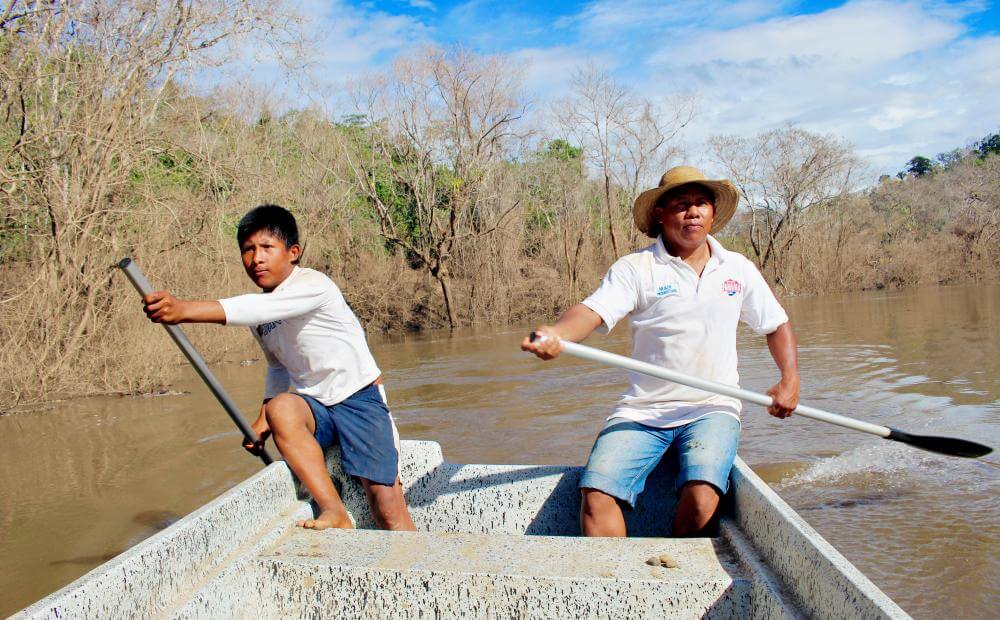
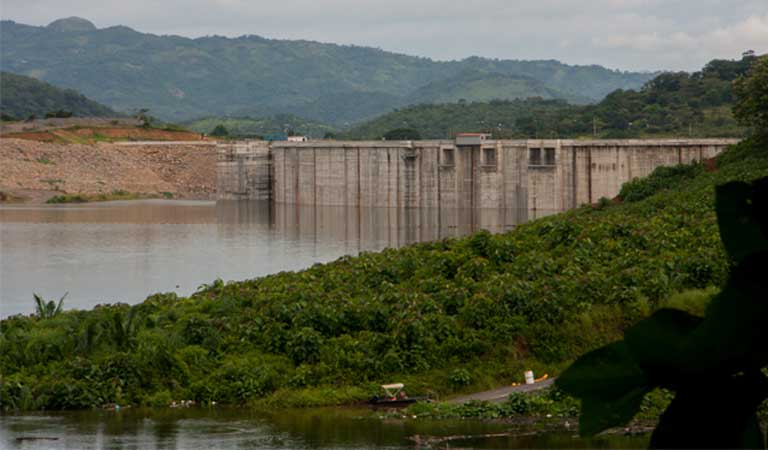
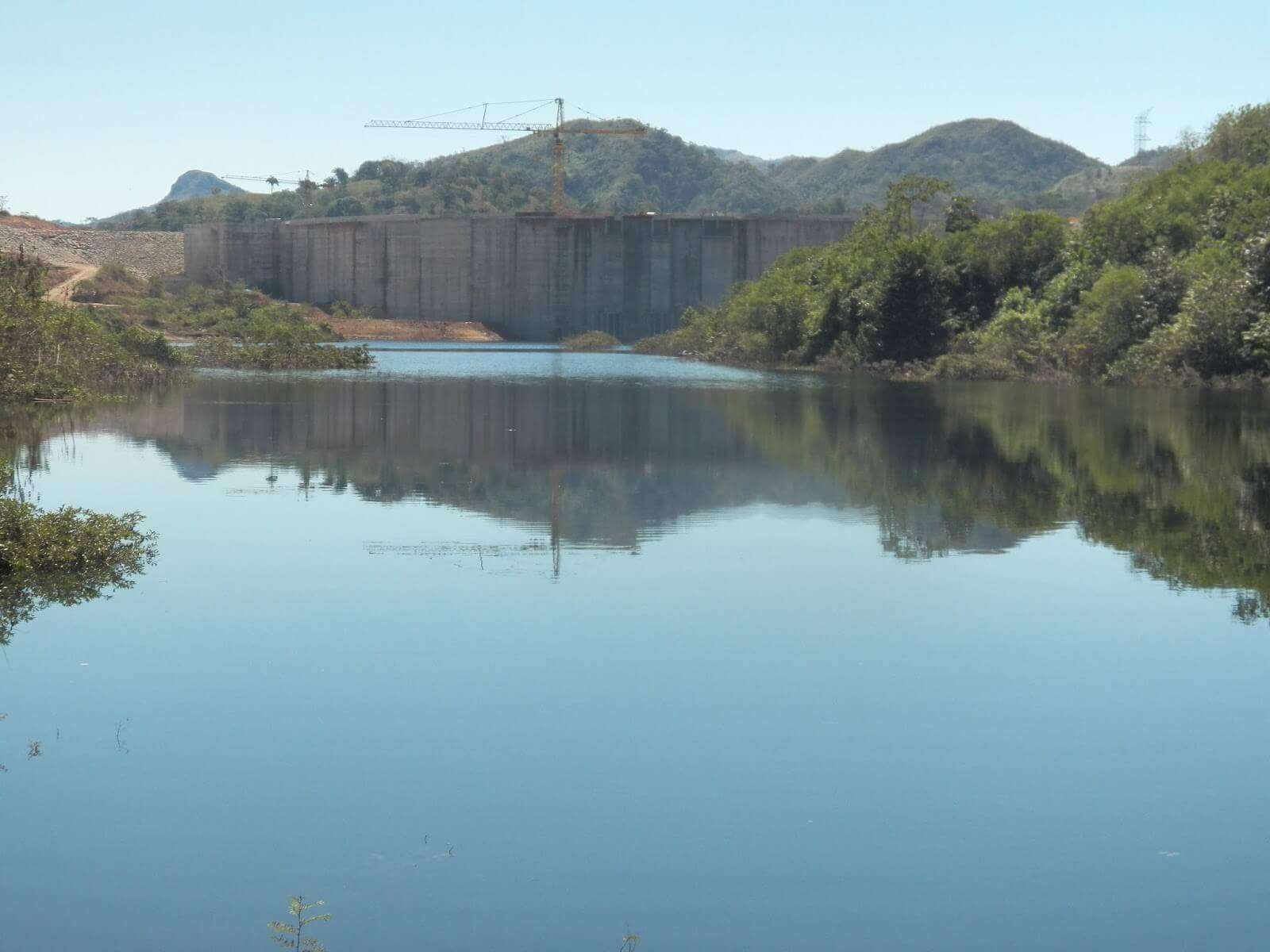
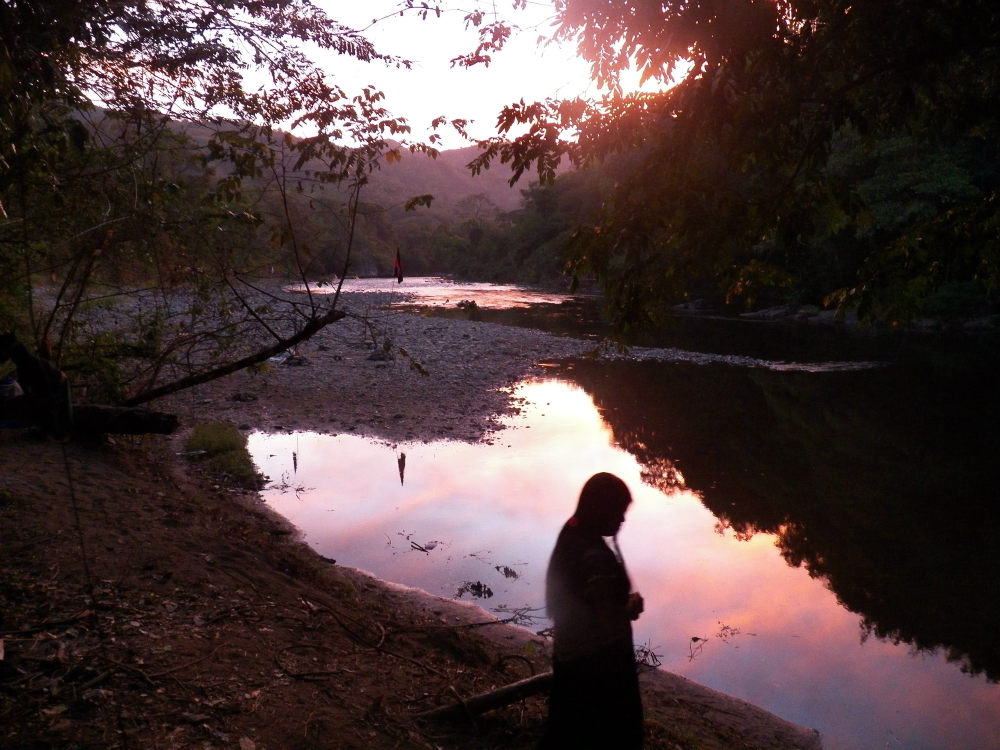
Gathered on the banks on the river Tabasará, Ngäbe from the village of Kiabda and other affected communities have established a protest camp to halt the completion of a 28.58 megawatt hydroelectric dam, Barro Blanco. The completion of the project will result in the communities losing their homes, livelihoods and cultural heritage.
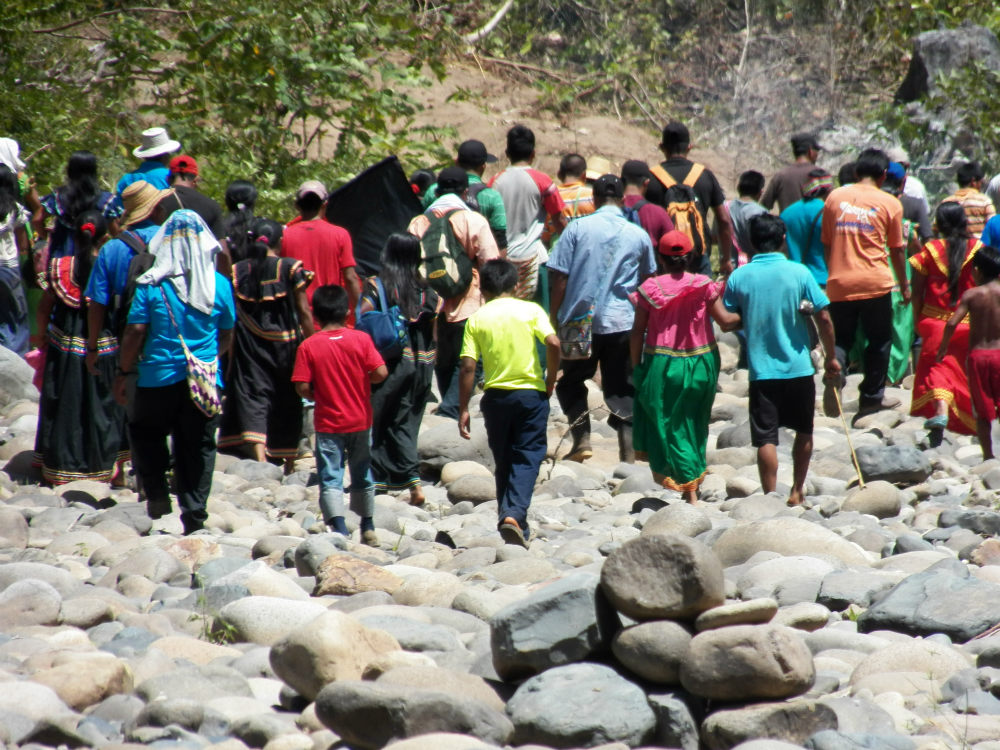
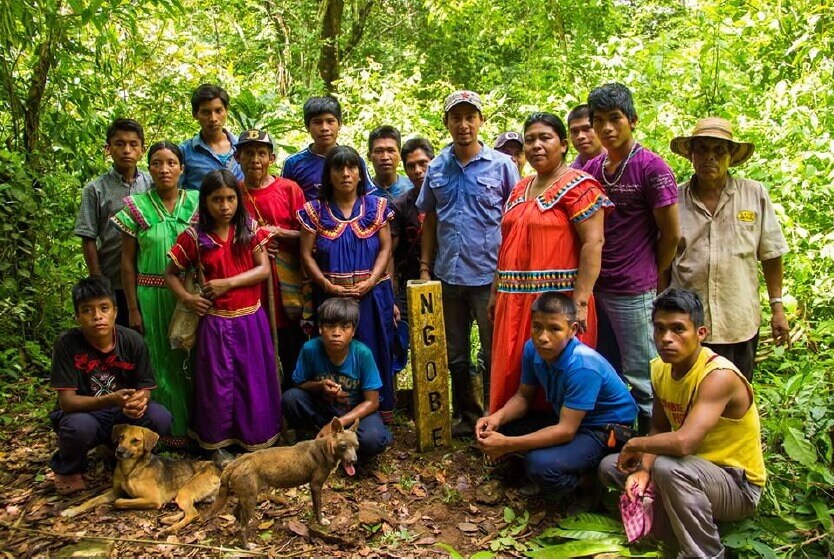
Groups of Ngäbe followed the press to the protest camp, 17 february 2014. (Photo: Oscar Sogandares)
Oscar Sogandares, an environmental activist, told IC Magazine that the government has not yet initiated forced evictions due to media pressure. But the communities remain deeply concerned that evictions will occur in the coming days.
Sogandares said: “It just might be that they may try to use next Carnaval Monday or Tuesday, when everybody’s attention is focused on partying and something else to try to surprise us.”
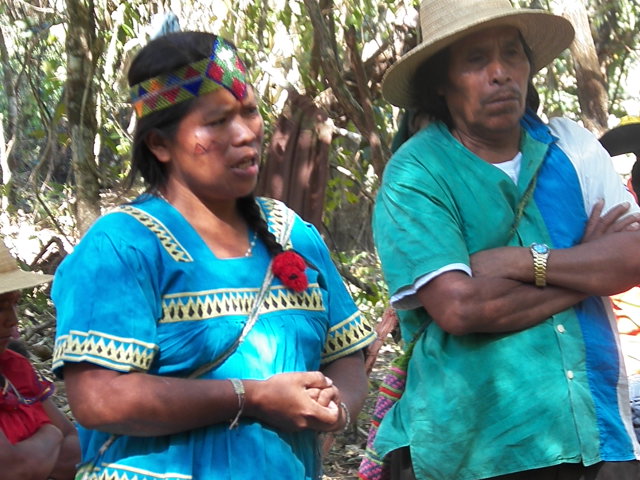
Cacica suplente Clementina Perez with Luis Jimenez , or ‘Bulo’ (big man in ngäbe). (Photo: Oscar Sogandares)
GENISA, the company responsible for constructing the dam, has received a total of $78.3 million in loans from three development banks: the Dutch FMO, the German DEG, and the Central American Bank for Economic Integration (CBIE). And, in 2011, the project was approved by the UN Carbon Setting Scheme despite the fact that the government violated the Ngäbes’ right to free, prior, and informed consent.
GENSIA’s has maintained that no communities will be displaced or impacted by the dam. But the resistance movement Movimeinto Diez de Abril para la Defensa del Río Tabasará, known as M10 and formed by Ngäbe community members, has always refuted this claim as being a flagrant lie. M10 state that the project will disastrously impact four communities directly, as well as indirectly harming many more.
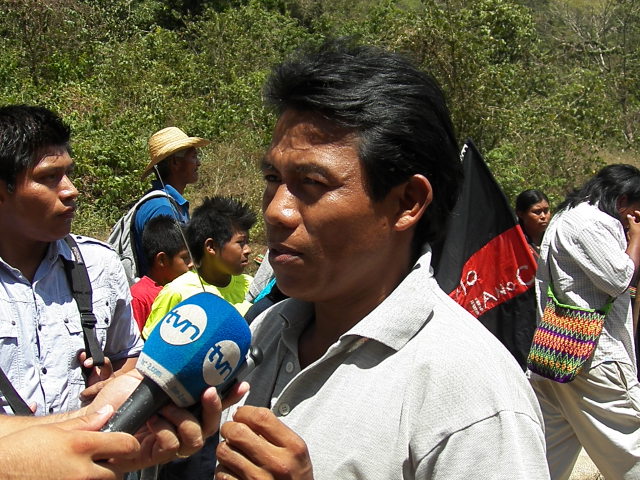
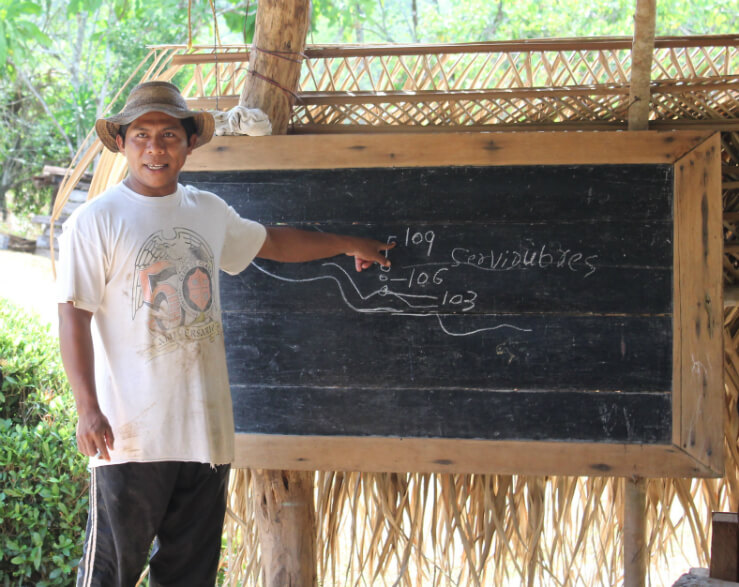
Goejec Miranda president of M10 giving statements to the press, 17 february 2014. (Photo: Oscar Sogandares)
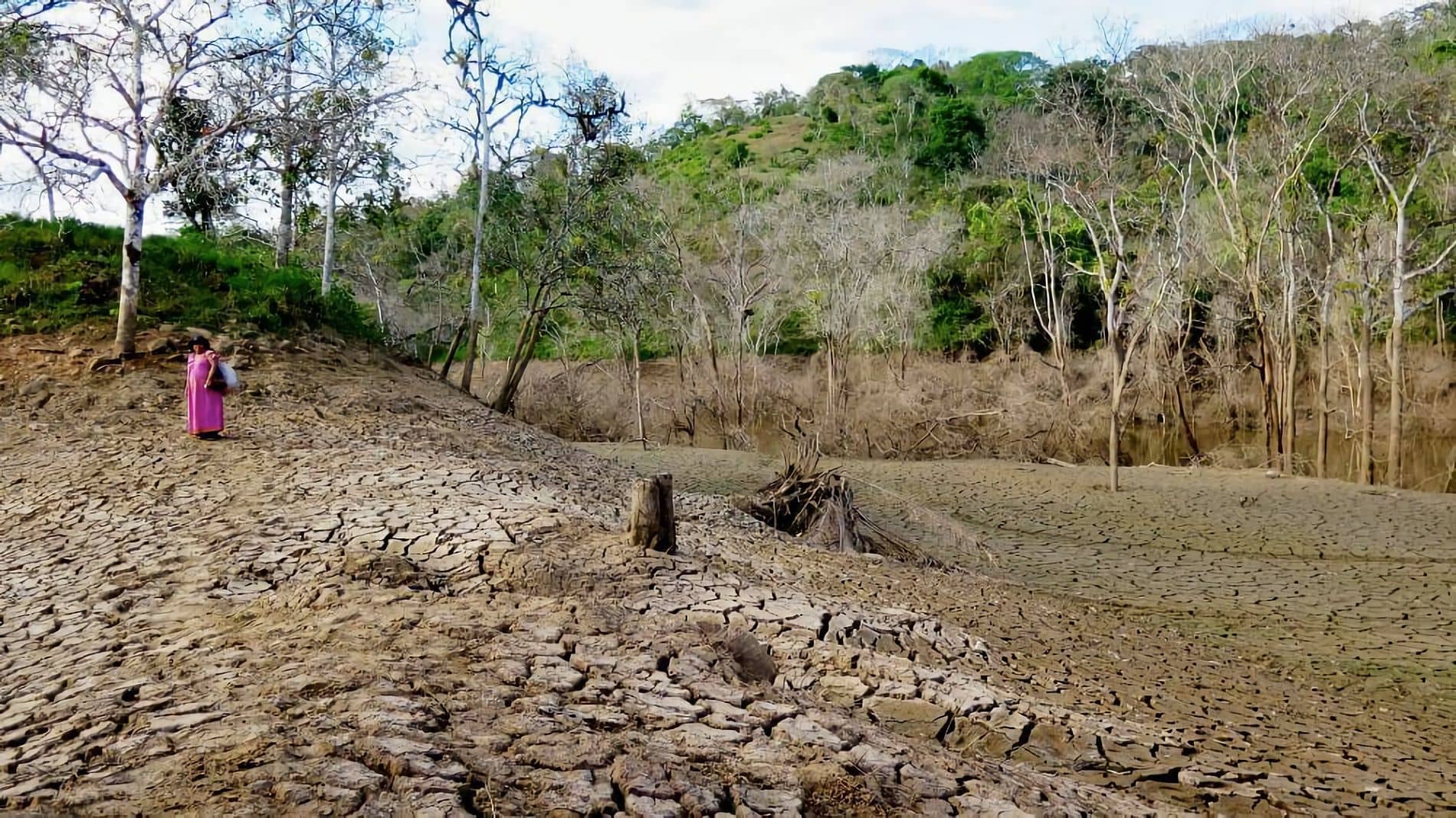
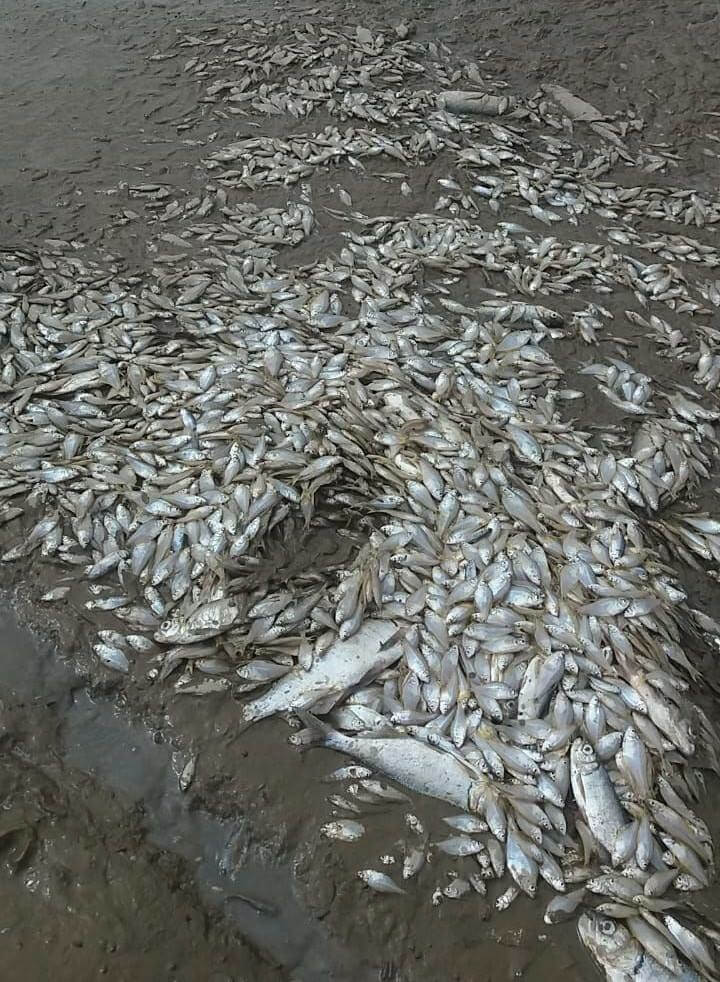
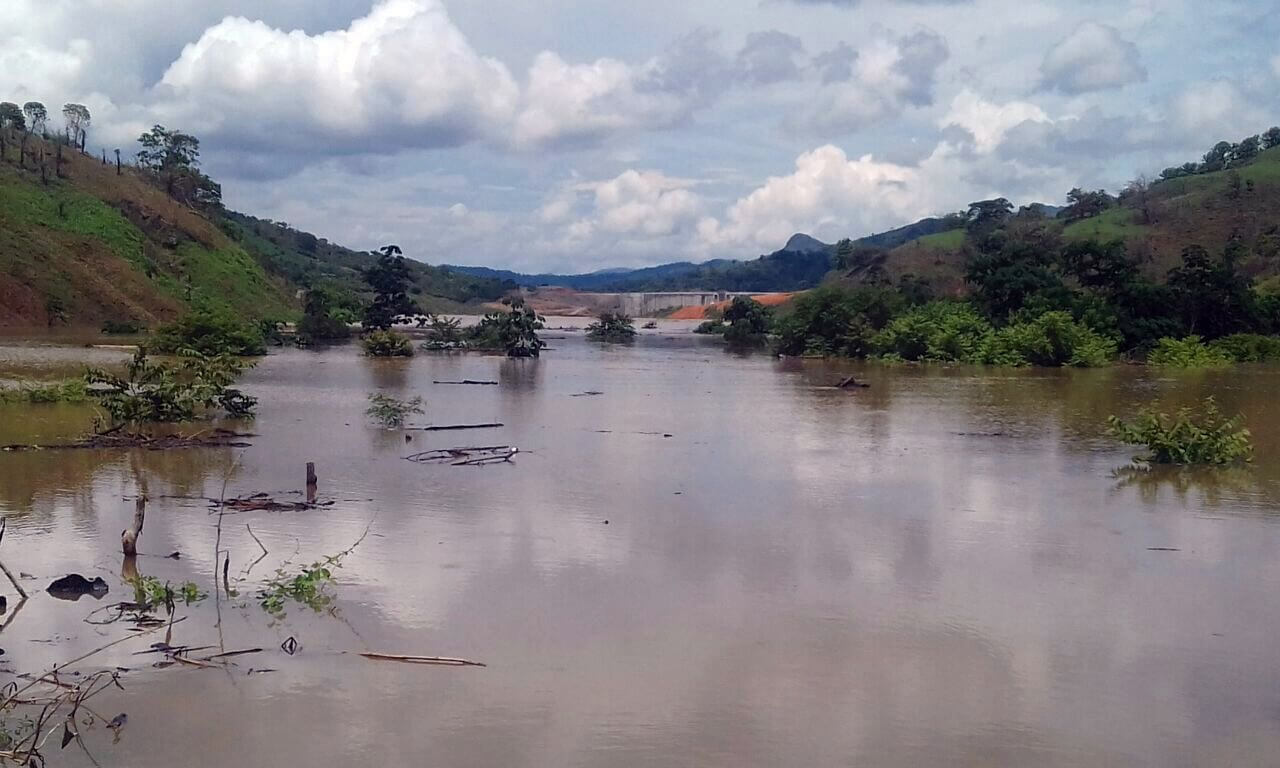
A UN report, released in 2012, confirmed that the completion of the project and the subsequent creation of a 258 hectare reservoir will flood at least six homes, a school and cultural centre, farmland, and destroy several hectares of gallery forest. Communities will lose the use of the river, which is also culturally and historically important, for fishing, bathing, and swimming. The report recommended that a further specialist study be conducted but construction of the project has continued unabated.
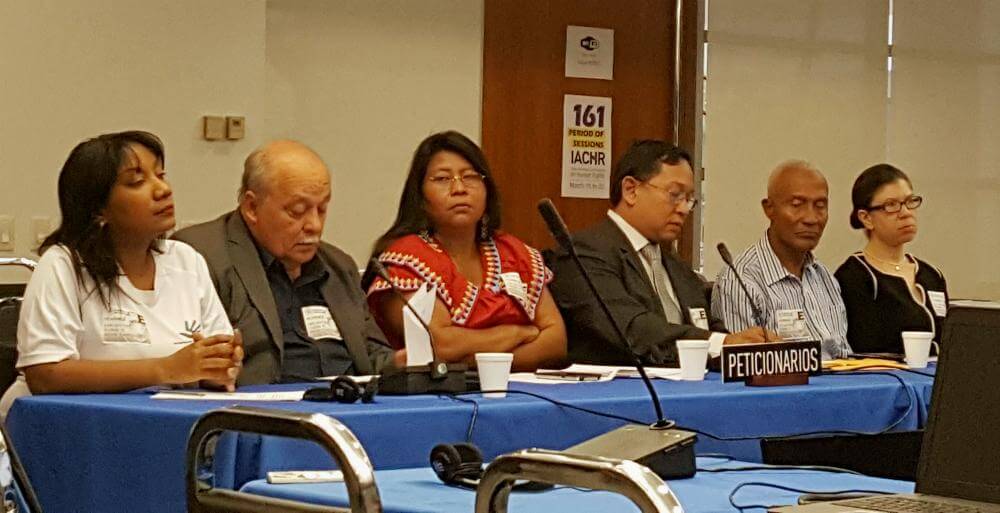
Last Thursday (February 20), M10, the Interamerican Association for Environmental Defense (AIDA), Earth Justice and the Center for International Environmental Law (CIEL) submitted an urgent appeal to the United Nations Special Rapporteurs on behalf of the affected Ngäbe. The groups are calling for a halt to forced evictions and are requesting that Panama respects the rights of its indigenous peoples.
Weni Bagama, of M10, said: “Our lands and natural resources are the most important aspects of our culture. Every day, we fear we will be forced from our home.”
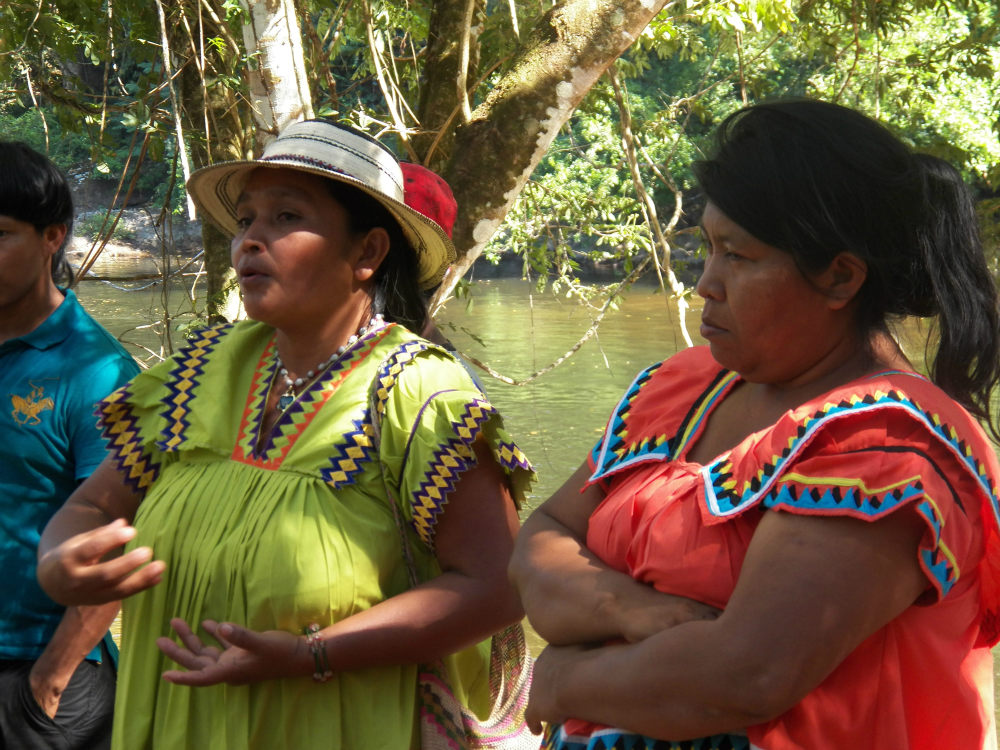
Weni Bagama (right) and the Cacica Silvia Carrera at the Protest Camp. (Photo: Oscar Sogandares)
Across the world right now, Indigenous peoples are facing a renewed assault on their lands, rights, and ways of life.
From extractive industries pushing deeper into ancestral territories, to governments rolling back hard-won protections,
the threat is global—and it is growing.
What makes this moment especially dangerous is how little attention it receives.
Stories like this are disappearing in real time. Mainstream media
barely covers it and the coverage is fragmented. The public is left without the context
needed to understand what is truly at stake.
That is exactly why IC Magazine exists..
For more than 20 years, IC has reported on Indigenous struggles worldwide — consistently, independently, and without compromise.
We don’t follow news cycles; we trace patterns. We don’t sensationalize; we provide context.
And when the world looks away, we stay focused.
But this work is increasingly difficult to sustain.
We refuse to lock our reporting behind a paywall. We don’t sell access through subscriptions.
And we don’t answer to advertisers. IC Magazine survives solely because readers like you choose to
support independent Indigenous journalism.
Please donate today if you can. Every contribution helps us to continue this crucial work.
Thank you,
John Ahni Schertow
Founder and Editor in Chief