Last Updated on April 10, 2025
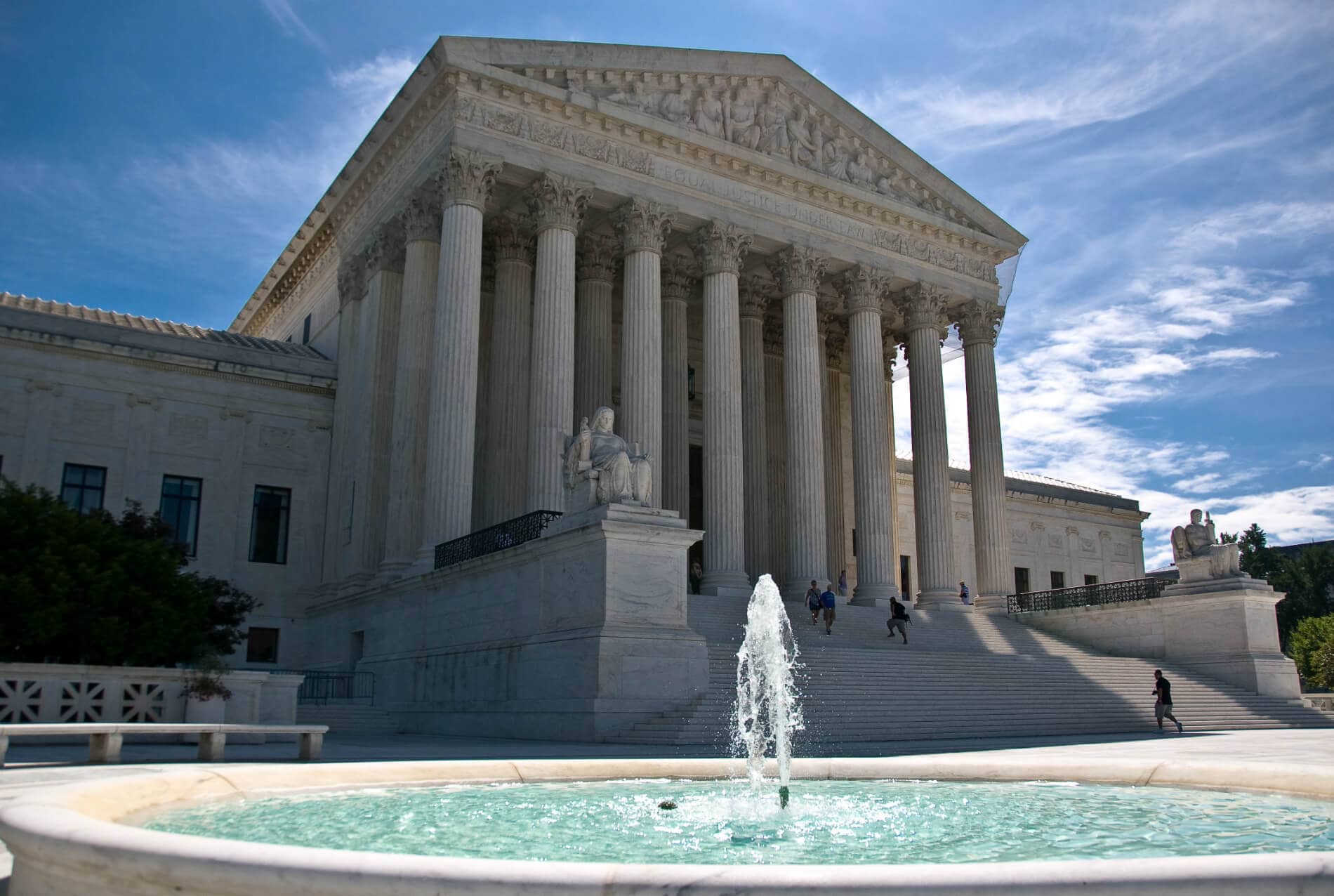
Dinosaur’s like U.S. Supreme Court Justice Scalia might not know it, but it’s a new day in relations between indigenous nations and modern states. Diplomacy is the name of the game.
As evidence of a fresh departure from the days when the U.S. Department of Interior Bureau of Indian Affairs could patronize American Indian tribes as domestic dependent nations, National Congress of American Indians president Cladoosby recently pressed U.S. Secretary of State Kerry to respond to the UN Special Rapporteur on the Rights of Indigenous Peoples regarding regulations that restrict religious freedoms of Native American prisoners.
As Oglala Sioux president Brewer wrote at Indian Country Today, Supreme Court discrimination against Native America cannot be tolerated. Says Brewer, “The world is moving forward on Indigenous Rights, yet the Supreme Court of the United States is moving backward.” If diplomacy is to be given a chance, it will be in the form of what Brewer calls an Indian Nations–U.S. Treaty Commission, with delegates from tribal governments and traditional leaders, the departments of Interior, State, and Justice, that can resolve disputes through mutual consent.
Across the world right now, Indigenous peoples are facing a renewed assault on their lands, rights, and ways of life.
From extractive industries pushing deeper into ancestral territories, to governments rolling back hard-won protections,
the threat is global—and it is growing.
What makes this moment especially dangerous is how little attention it receives.
Stories like this are disappearing in real time. Mainstream media
barely covers it and the coverage is fragmented. The public is left without the context
needed to understand what is truly at stake.
That is exactly why IC Magazine exists..
For more than 20 years, IC has reported on Indigenous struggles worldwide — consistently, independently, and without compromise.
We don’t follow news cycles; we trace patterns. We don’t sensationalize; we provide context.
And when the world looks away, we stay focused.
But this work is increasingly difficult to sustain.
We refuse to lock our reporting behind a paywall. We don’t sell access through subscriptions.
And we don’t answer to advertisers. IC Magazine survives solely because readers like you choose to
support independent Indigenous journalism.
Please donate today if you can. Every contribution helps us to continue this crucial work.
Thank you,
John Ahni Schertow
Founder and Editor in Chief