Last Updated on April 10, 2025
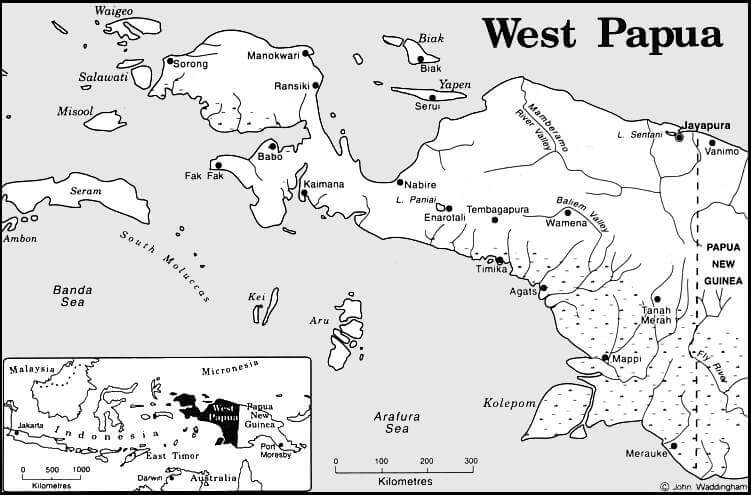
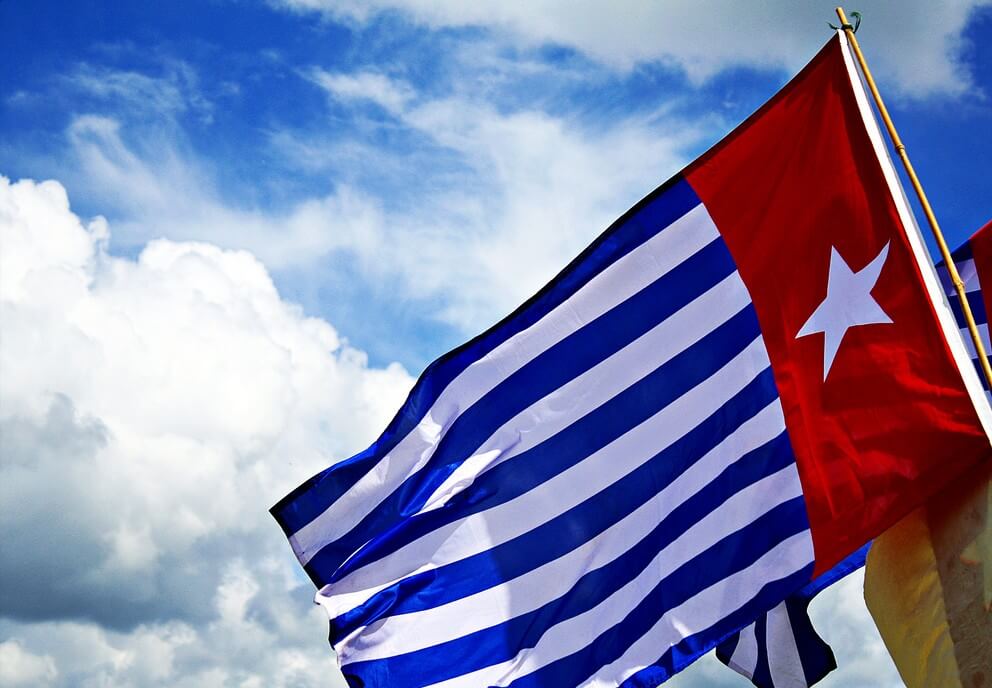
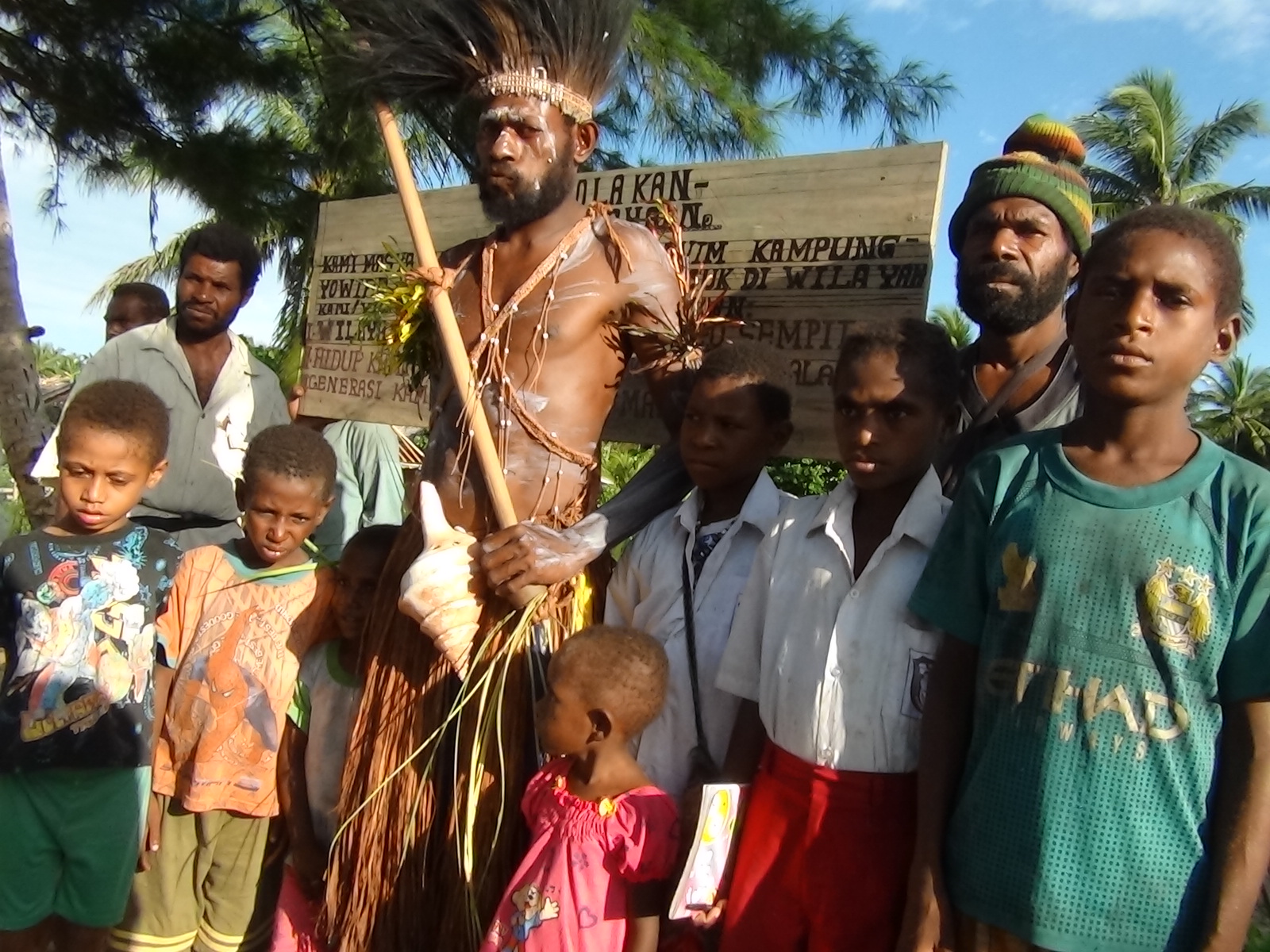
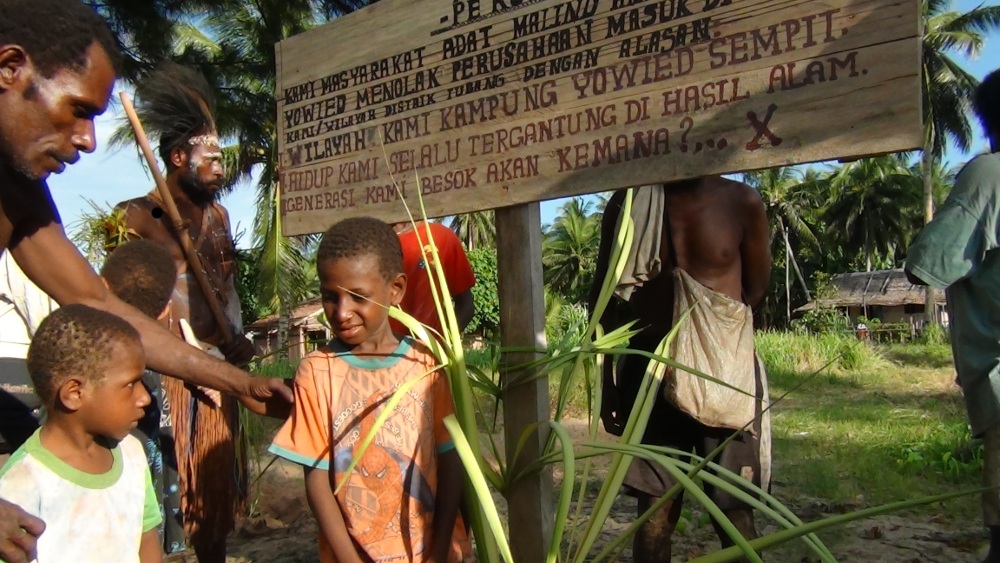
Even as Australians call on their government to end its association with Indonesian death squads murdering West Papuan human rights activists, Americans remain silent on their government’s active support for Indonesia’s murderous special forces, operating with the blessing of the Obama White House. As noted at Nationalia last June, West Papua is seeking international support to right the wrong begun when the UN allowed the illegal annexation of West Papua by Indonesia. The 2012 proclamation by the Federal Republic of West Papua, registered with the UN Security Council, was intended to generate recognition of West Papuan independence from the hostile state of Indonesia.
As Survival International reported in 2010, US-backed Indonesian forces were targeting church and civilian leaders after Obama renewed US support for the death squads that summer. The massive Indonesian offensive in 2011 was a direct consequence of Obama’s betrayal of human rights for West Papuans. West Papua Information Kit examines how the US and the UN sold out the West Papuan allies from World War II for all that glitters.
As part of the vast Indonesian colonial archipelago, West Papua and East Timor have suffered horrendous abuse at the hands of the Indonesian military–a military supported by both the United States and Australia. As two of the four self-declared opponents of human rights for indigenous peoples, the US and Australia work hand in hand with transnational corporations plundering Papuan and Timorese resources for North American and European markets. Beginning with President Kennedy, the betrayal for the benefit of copper and gold was intricately wound up in the highest levels of the National Security Agency, leaving these friends of American war veterans to the merciless onslaught of the Indonesian military. A shameful episode that continues to this day.
Across the world right now, Indigenous peoples are facing a renewed assault on their lands, rights, and ways of life.
From extractive industries pushing deeper into ancestral territories, to governments rolling back hard-won protections,
the threat is global—and it is growing.
What makes this moment especially dangerous is how little attention it receives.
Stories like this are disappearing in real time. Mainstream media
barely covers it and the coverage is fragmented. The public is left without the context
needed to understand what is truly at stake.
That is exactly why IC Magazine exists..
For more than 20 years, IC has reported on Indigenous struggles worldwide — consistently, independently, and without compromise.
We don’t follow news cycles; we trace patterns. We don’t sensationalize; we provide context.
And when the world looks away, we stay focused.
But this work is increasingly difficult to sustain.
We refuse to lock our reporting behind a paywall. We don’t sell access through subscriptions.
And we don’t answer to advertisers. IC Magazine survives solely because readers like you choose to
support independent Indigenous journalism.
Please donate today if you can. Every contribution helps us to continue this crucial work.
Thank you,
John Ahni Schertow
Founder and Editor in Chief