
Last Updated on April 11, 2025
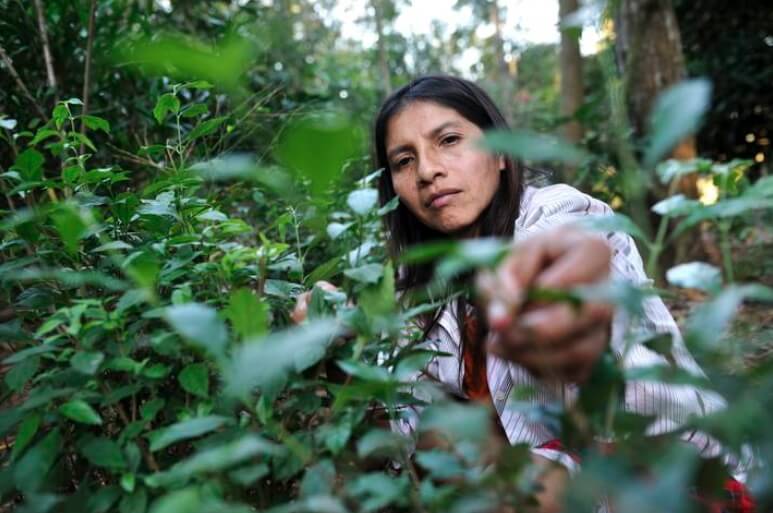
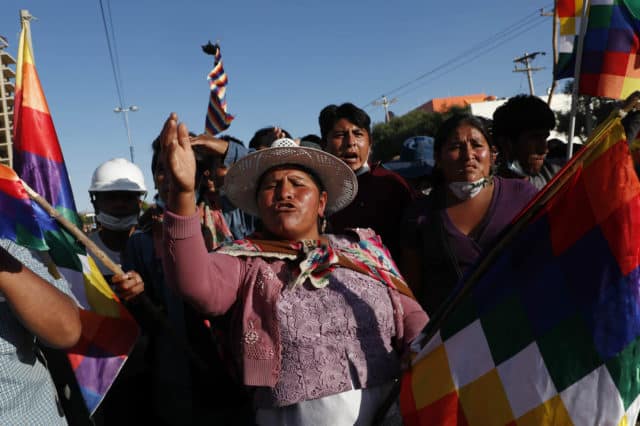
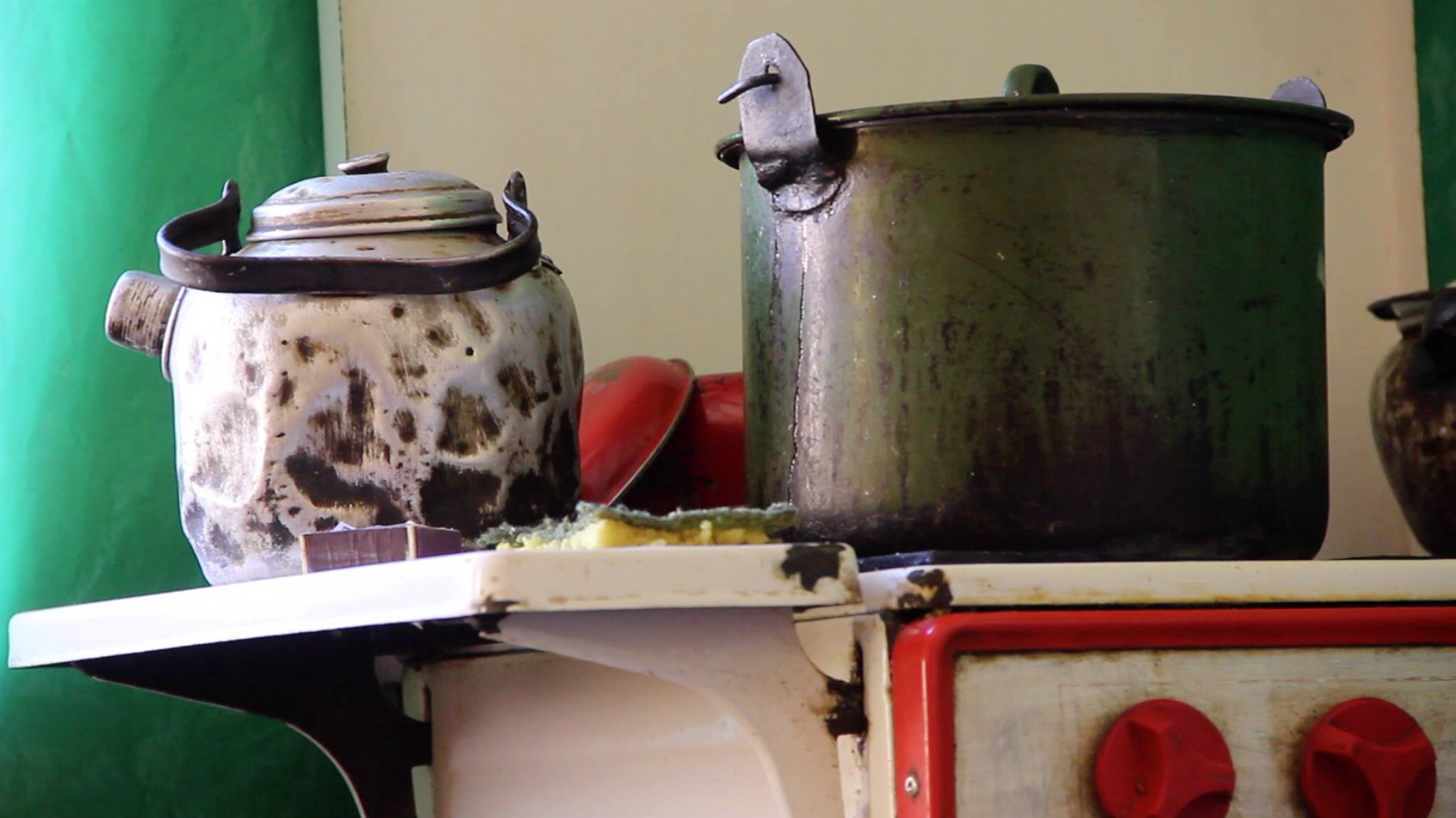
Quinoa Soup, an exploratory documentary, seeks to provide an American audience with stories from the field, providing a rare look into the daily lives of Cecilia and Leocadio, a quinoa-farming couple of the Quechua and Aymara nations.
On February 20th, 2013 the United Nations launched the International Year of Quinoa. A highly nutritious pseudocereal grown primarily in Bolivia, Peru, and Ecuador, it is believed that this complete protein could help eradicate world hunger.
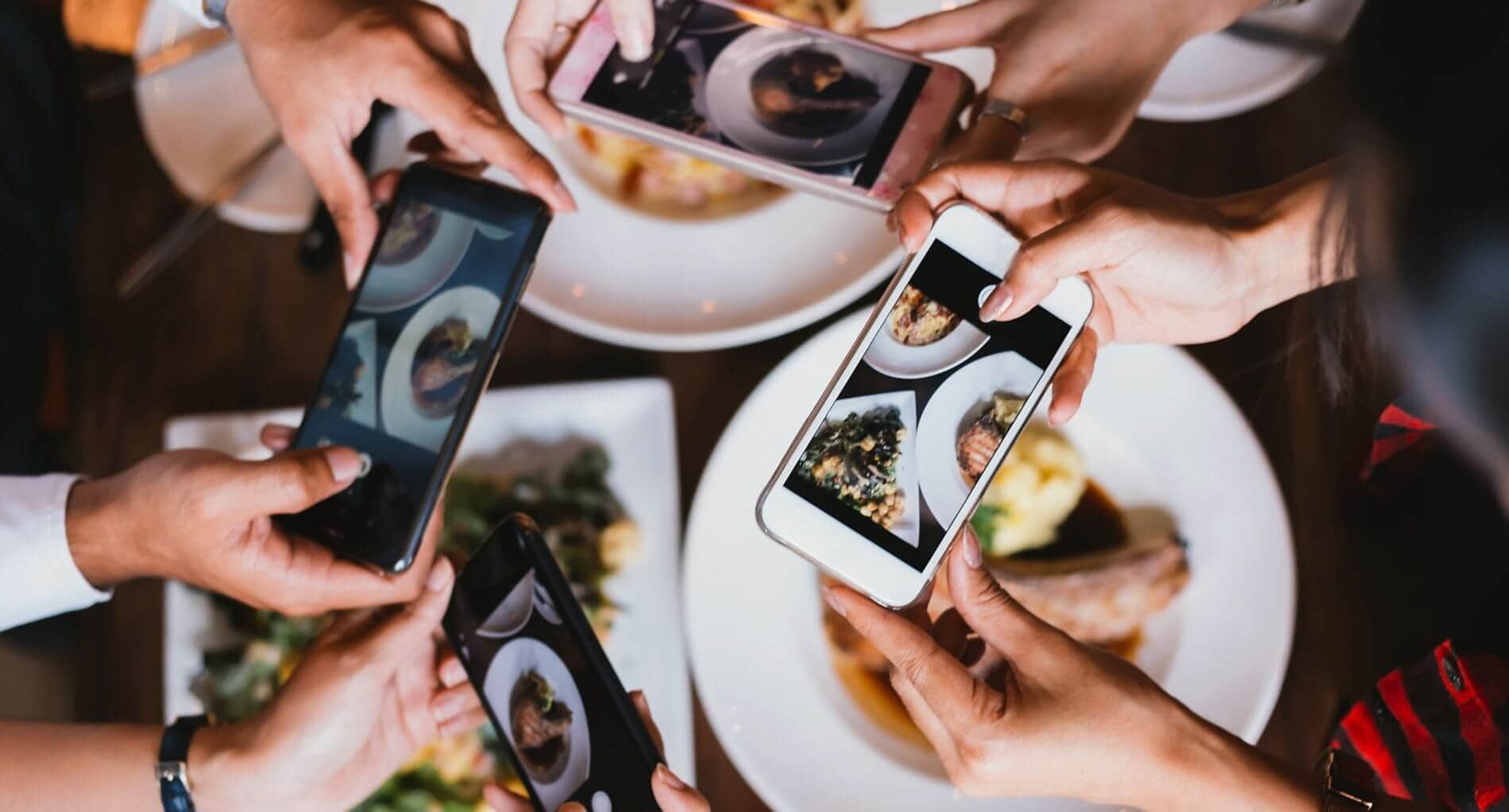
However, evidence has shown that an increase in quinoa’s trendiness in countries like the U.S. has left Andean growers unable to afford their traditional staple, resulting in a decrease in quinoa consumption among indigenous farmers and an increase in malnutrition.
In response to the so-called “quinoa quandary,” a plethora of articles have surfaced attempting to answer an oversimplified question: is eating quinoa good or bad?
This past February, Kindred Planet Productions, a team led by Kate Kirby, a recent graduate student in Global Policy at the University of Maine, traveled to Bolivia to investigate “what our consumption means for Bolivian growers.”
Kate Kirby, Producer
Muna Abdullahi, Associate Producer
Natalia Valdivia Salinas, Associate Producer
A film by Kindred Planet Productions
Across the world right now, Indigenous peoples are facing a renewed assault on their lands, rights, and ways of life.
From extractive industries pushing deeper into ancestral territories, to governments rolling back hard-won protections,
the threat is global—and it is growing.
What makes this moment especially dangerous is how little attention it receives.
Stories like this are disappearing in real time. Mainstream media
barely covers it and the coverage is fragmented. The public is left without the context
needed to understand what is truly at stake.
That is exactly why IC Magazine exists..
For more than 20 years, IC has reported on Indigenous struggles worldwide — consistently, independently, and without compromise.
We don’t follow news cycles; we trace patterns. We don’t sensationalize; we provide context.
And when the world looks away, we stay focused.
But this work is increasingly difficult to sustain.
We refuse to lock our reporting behind a paywall. We don’t sell access through subscriptions.
And we don’t answer to advertisers. IC Magazine survives solely because readers like you choose to
support independent Indigenous journalism.
Please donate today if you can. Every contribution helps us to continue this crucial work.
Thank you,
John Ahni Schertow
Founder and Editor in Chief