Last Updated on May 19, 2019
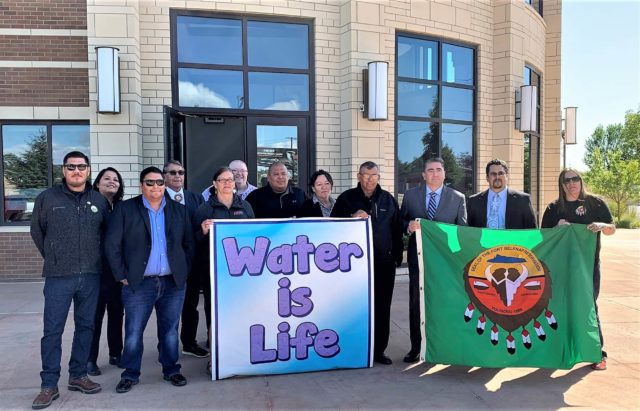
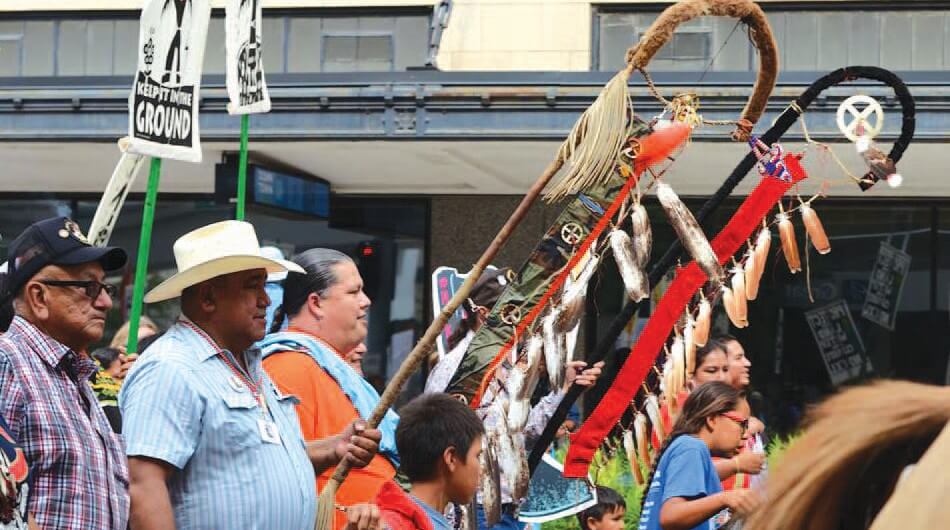
Anishinaabeg and fellow Energy East pipeline resisters made a presence inside and outside Lakeside Inn on Tuesday, Aug. 12 for TransCanada’s second Kenora, Ont., open house.
This time, the people weren’t interested in hearing TransCanada’s “information session” pitch. The tradeshow set-up had booths, corporate fact-sheets, and enough staff for one-on-one interactions to keep concerned citizens unaware of each other’s objections to the proposed Energy East pipeline.
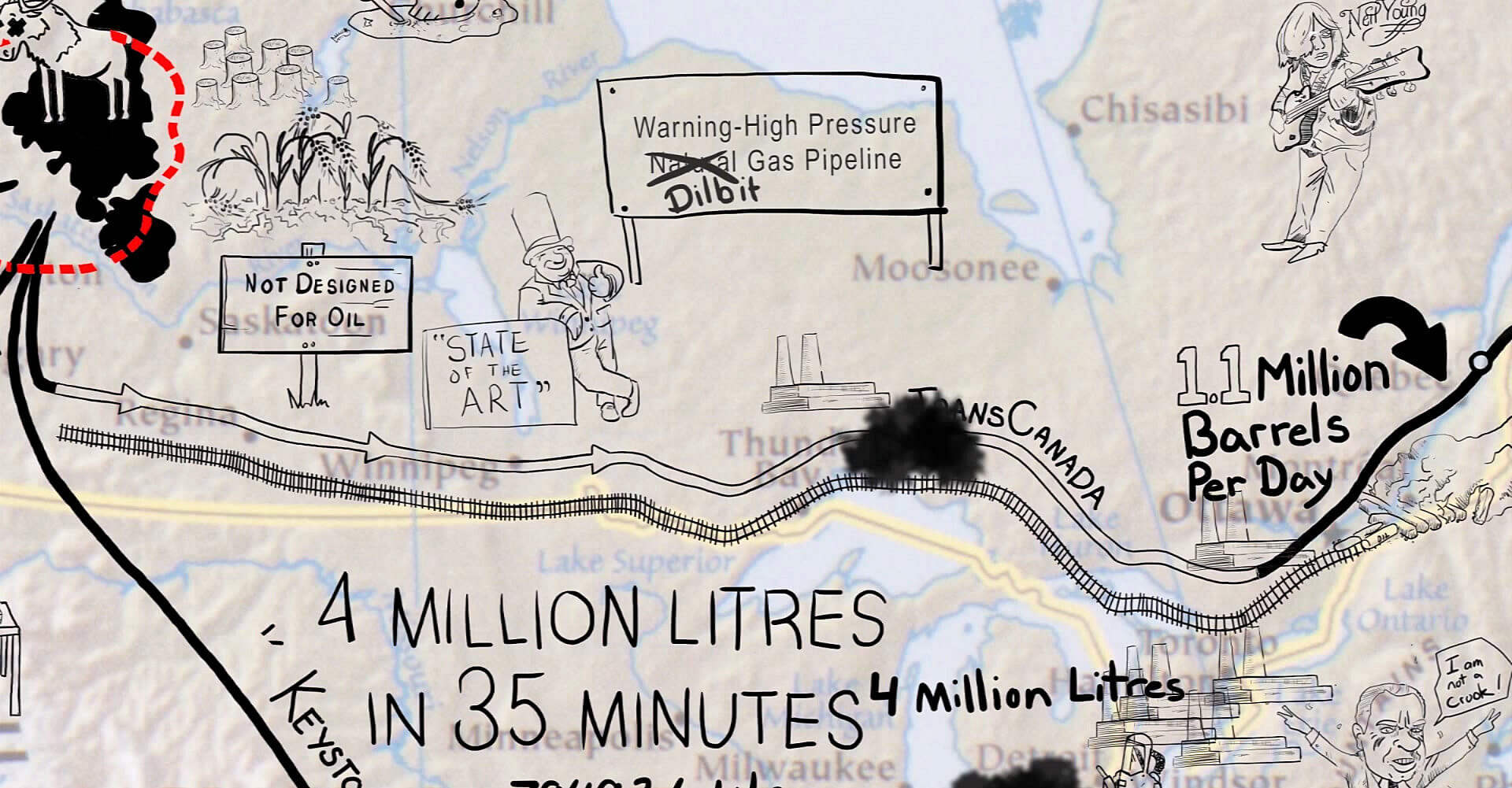
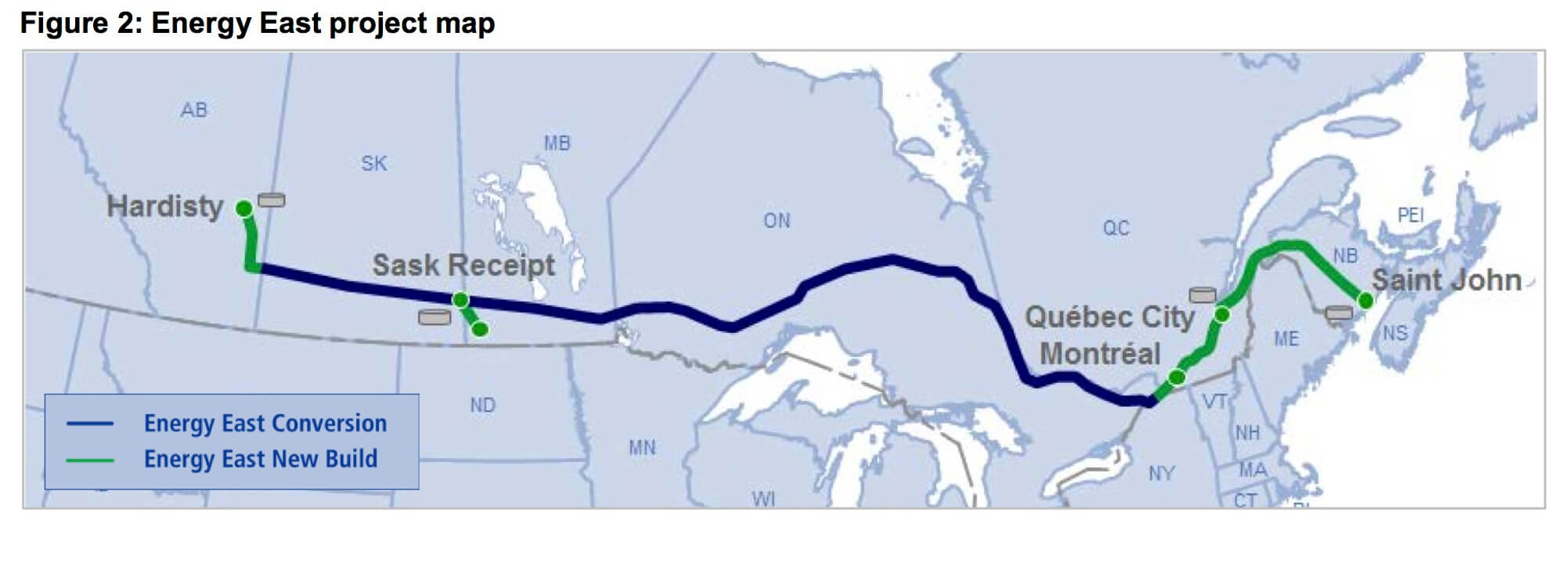
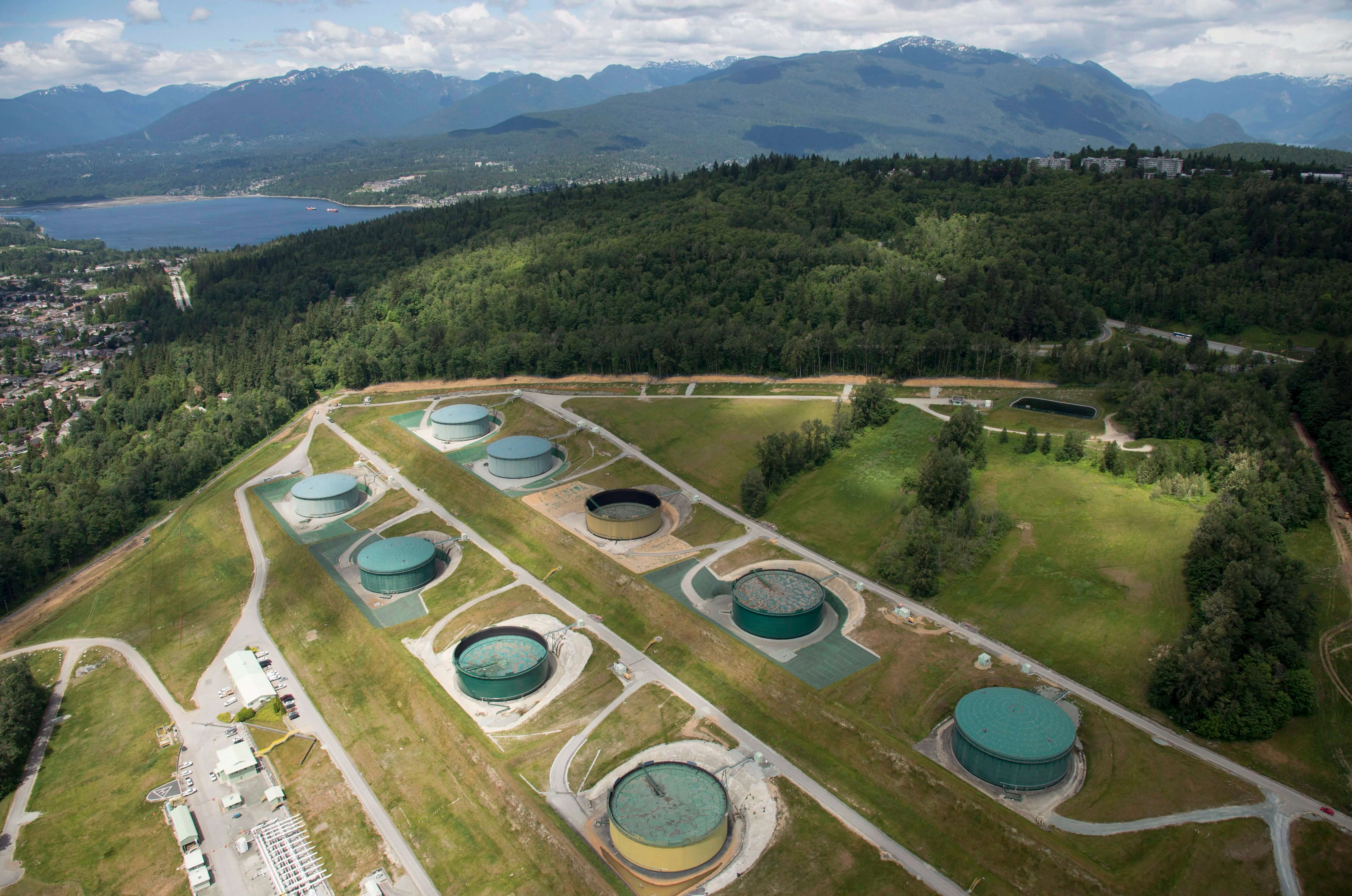
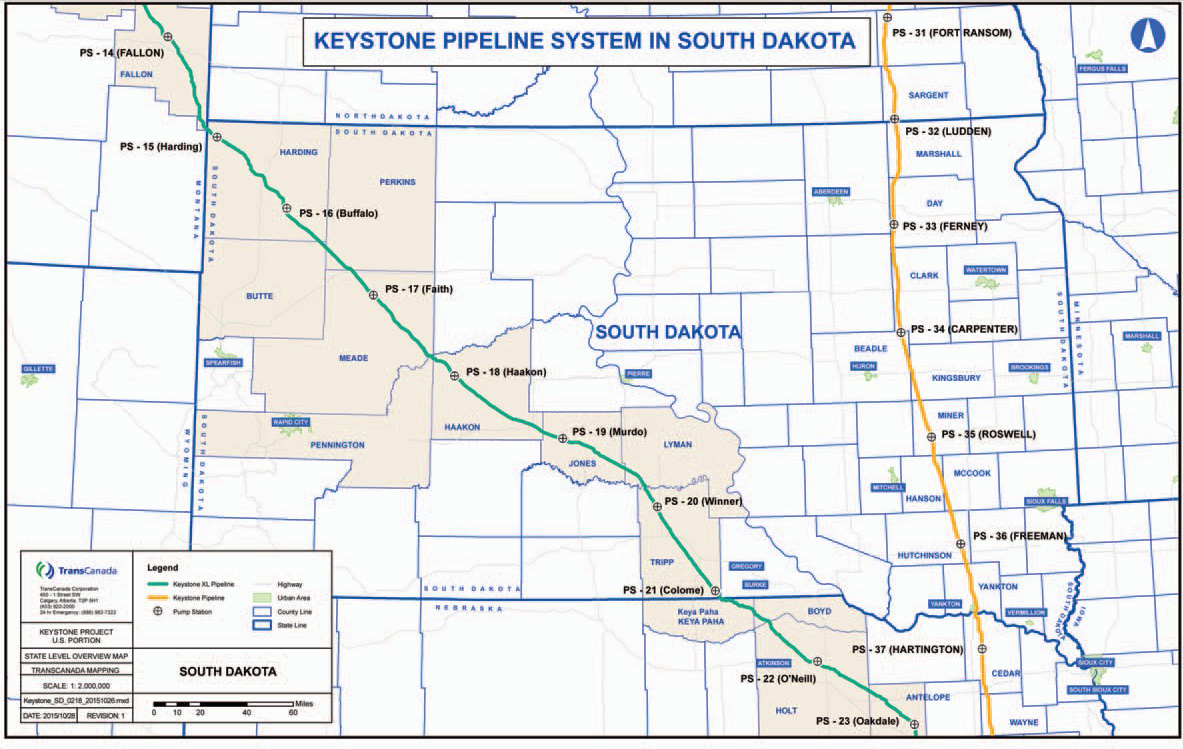
Many in attendance had already made up their minds against the Energy East project proposal to convert the 50+ year-old natural gas carrying “Canadian Mainline,” and build new pipeline sections, into what could be North America’s largest tarsands pipeline, with 1.1 million barrels of diluted bitumen per-day from Hardisty, AB to marine terminals at Saint John, NB for international export.
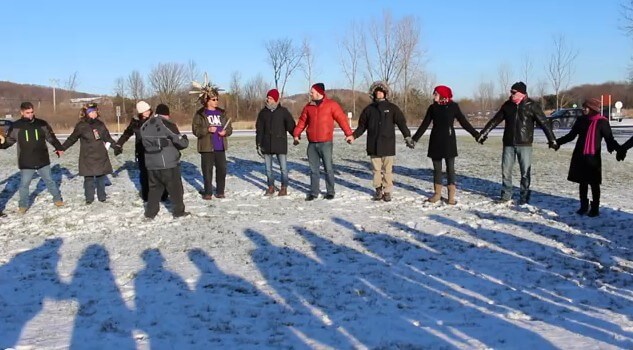
Kenora Transition Initiative, 350.org, and Kenora community members began with a picket across the street from the Inn, with signs and leaflets to counter TransCanada’s.
But, after two patient hours outside the hotel, Anishinaabeg led the walk inside with song and did not allow TransCanada reps and contracted Garda security to take their signs away.
“I’m here to speak for my children and my grandchildren and there’s not going to be any oil going through this land, even when I die my kids are going to stand up after me, and that’s it, no pipelines,” first announced Shawanoong Noodin Ikwe (Chrissy Swain) of Grassy Narrows to the captive audience of TransCanada staff.
“What do you project for the future? In 50 years, 25 years, 100 years, what is going to happen to the pipe? It’s going to corrode…It doesn’t matter what you say, there is going to be leaks in there…. What is going to happen to our water…our children are not going to be able to drink it,” said elder Nancy Morrison, 85, originally from Onigaming, who challenged TransCanada’s “Gary” with the people standing behind her.
Morrison later turned to her comrades: “As Anishinaabe people we have to stick together…keep in touch…we have to work hard to try and prevent that pipeline from going through.”
“Gary” responded to the women, “Thank you for coming…we’re interested in talking to you and providing information,” Winnipeg’s Lorraine Clements interjected, “Your information is lies…you’re not listening to the women…”
Swain directed an assertion to TransCanada staff: “You are not welcome here on Treaty 3 territory.”
“There is a genocide that is happening to our lands, that you are a part of destroying”, exclaimed Jo Seenie, of Roseau River whose kids are from Shoal Lake 40. “You guys (TransCanada) think momentarily all the time, why?…and we’re tired of being sold out…shame on all of you for sitting here talking like it’s normal to rape the land.”
Seenie, who vocally shut-down Phil Fontaine’s speech at the University of Winnipeg in Janurary, vowed to keep speaking out and put her life on the line in order to stop the project. Fontaine’s consulting group Ishkonigan is contracted by TransCanada to engage with 185 first nations communities along proposed corridor.
TransCanada expects to file it’s regulatory application to the National Energy Board this September before it can be approved. The company aims to have the pipeline pushing diluted bitumen by 2018.
Across the world right now, Indigenous peoples are facing a renewed assault on their lands, rights, and ways of life.
From extractive industries pushing deeper into ancestral territories, to governments rolling back hard-won protections,
the threat is global—and it is growing.
What makes this moment especially dangerous is how little attention it receives.
Stories like this are disappearing in real time. Mainstream media
barely covers it and the coverage is fragmented. The public is left without the context
needed to understand what is truly at stake.
That is exactly why IC Magazine exists..
For more than 20 years, IC has reported on Indigenous struggles worldwide — consistently, independently, and without compromise.
We don’t follow news cycles; we trace patterns. We don’t sensationalize; we provide context.
And when the world looks away, we stay focused.
But this work is increasingly difficult to sustain.
We refuse to lock our reporting behind a paywall. We don’t sell access through subscriptions.
And we don’t answer to advertisers. IC Magazine survives solely because readers like you choose to
support independent Indigenous journalism.
Please donate today if you can. Every contribution helps us to continue this crucial work.
Thank you,
John Ahni Schertow
Founder and Editor in Chief