Last Updated on February 2, 2026
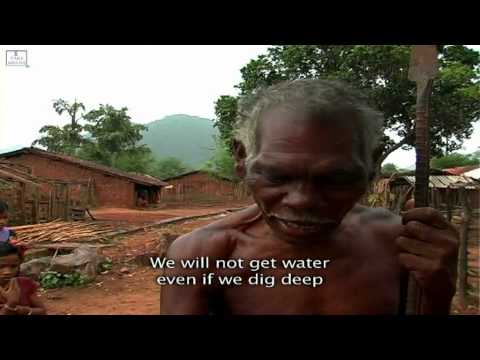
In this eight-minute video, you will hear members of the Dongria Kondh, the custodians of the Niyamrigi hills in Orissa, India, speaking out against Vedanta resources and the hardships they have had to endure as a result of the company’s aluminum refinery.
Placed at the foot of the hills, Vedanta manipulated and then drove out at least one community for the refinery. Now the Kondh suffer from a range of problems; from not being able to sleep because of the noise from the refinery, to getting sore throats when they drink the water and itchy skin when they bathe.
The situation may soon get much worse for the Kondh. Vedanta is currently poised to expand the refinery, and proceed with its plan to build a controversial bauxite mine at the top of the hills. This is despite the bold assurances from Vedanta’s CEO that his company would first consult and gain permission from the Kondh before doing so.
In the face of this ‘development’, the Dongria Kondh will see their way of life, their economy, their belief system, and their history destroyed.
Please take moment to sign this letter, imploring the Prime Minister of India to safeguard the Dongria Kondh’s rights.
Across the world right now, Indigenous peoples are facing a renewed assault on their lands, rights, and ways of life.
From extractive industries pushing deeper into ancestral territories, to governments rolling back hard-won protections,
the threat is global—and it is growing.
What makes this moment especially dangerous is how little attention it receives.
Stories like this are disappearing in real time. Mainstream media
barely covers it and the coverage is fragmented. The public is left without the context
needed to understand what is truly at stake.
That is exactly why IC Magazine exists..
For more than 20 years, IC has reported on Indigenous struggles worldwide — consistently, independently, and without compromise.
We don’t follow news cycles; we trace patterns. We don’t sensationalize; we provide context.
And when the world looks away, we stay focused.
But this work is increasingly difficult to sustain.
We refuse to lock our reporting behind a paywall. We don’t sell access through subscriptions.
And we don’t answer to advertisers. IC Magazine survives solely because readers like you choose to
support independent Indigenous journalism.
Please donate today if you can. Every contribution helps us to continue this crucial work.
Thank you,
John Ahni Schertow
Founder and Editor in Chief