
Last Updated on May 19, 2019
After 38 consecutive days camped outside the Barro Blanco hydroelectric plant in western Panama, Indigenous Ngäbe activists from the M22 resistance movement have been physically removed from their protest camp.
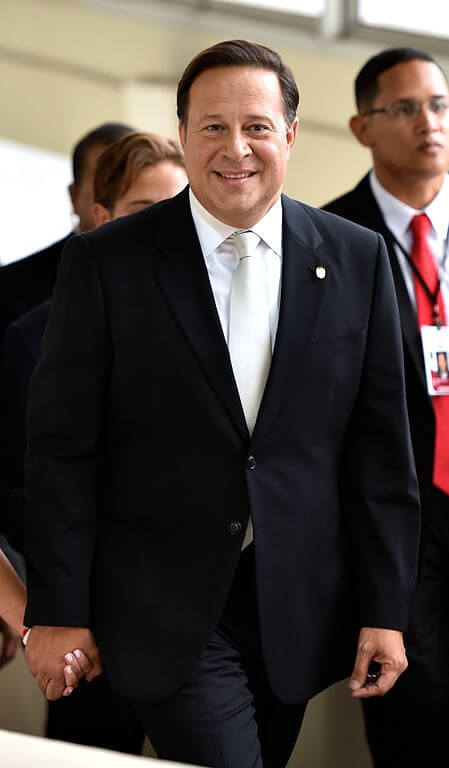
President Juan Carlos Varela
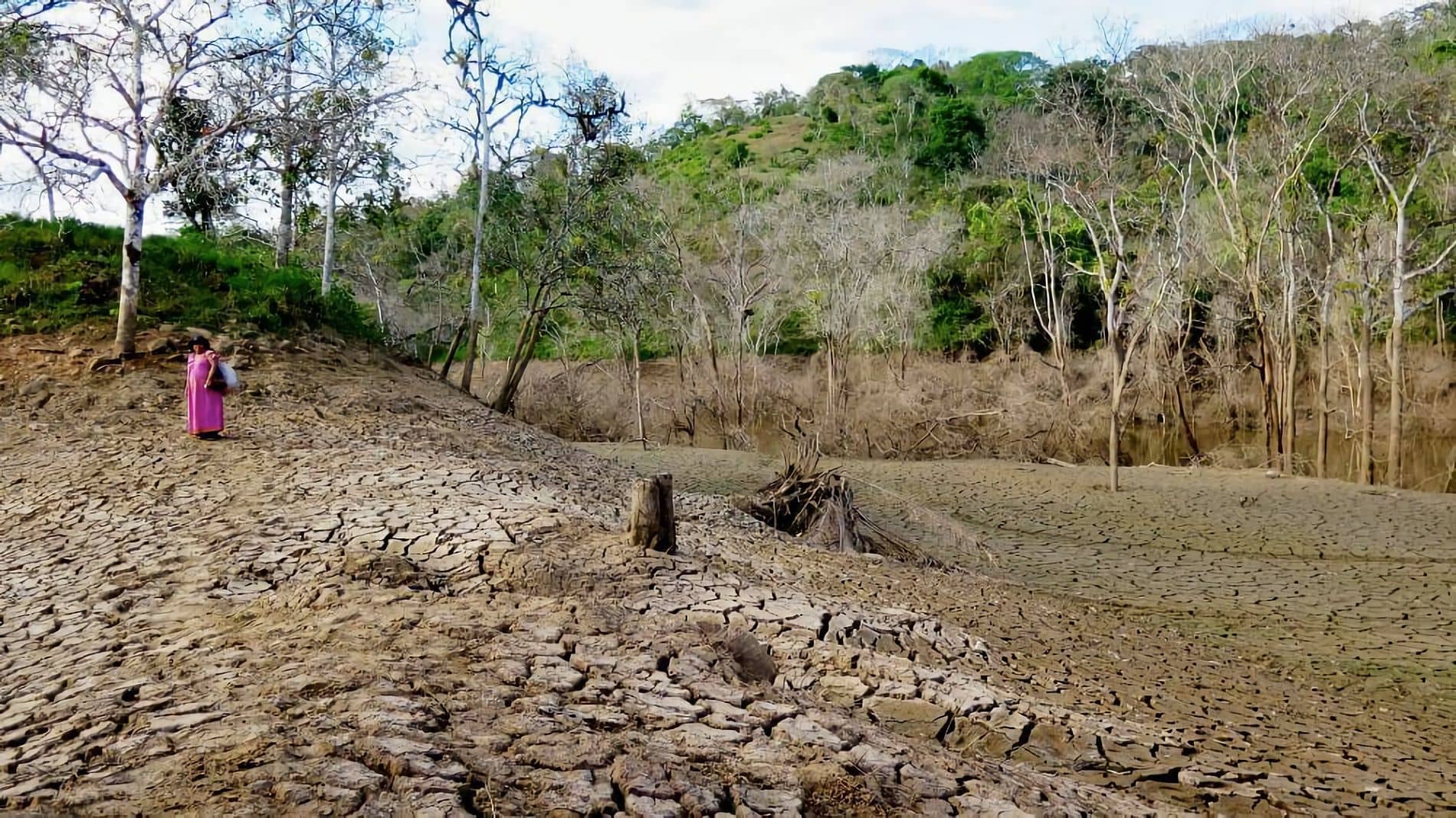
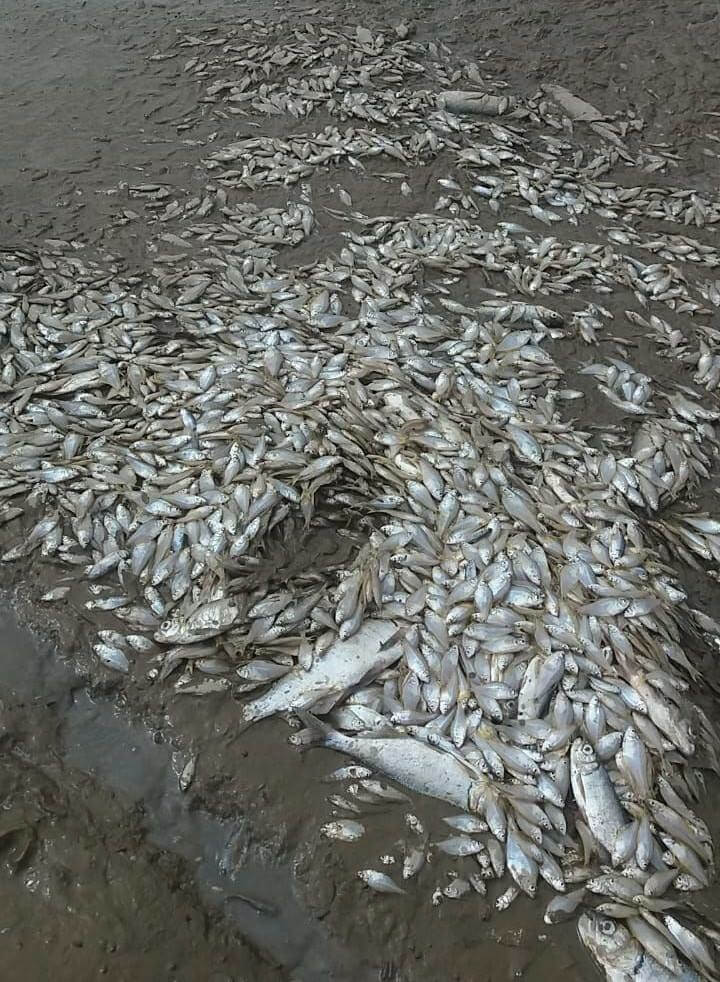
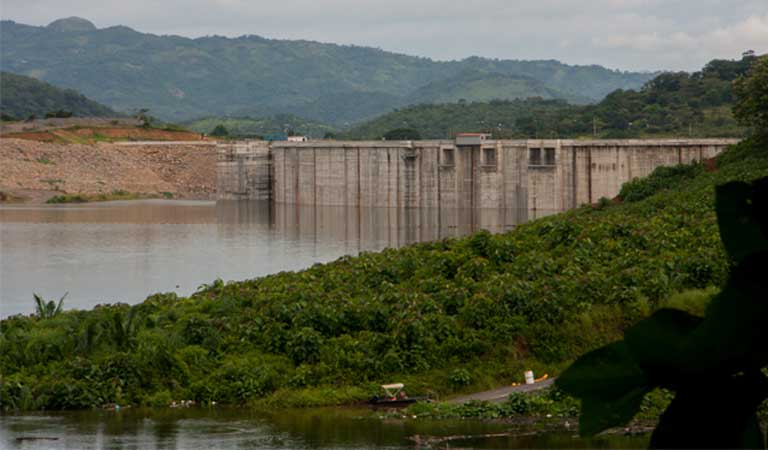
After making public assurances that no work would go forward without a negotiated agreement with the communities, President Juan Carlos Varela reneged on his promise to find a humane and equitable solution to the dam on the Tabasará river which is set to inundate Indigenous homes and schools, cultural centers, precious agricultural plots and priceless archaeological sites, in addition to destroying vital fish stocks and thousands of livelihoods up and downstream.
Instead of staying true to his word, President Varela, the self-proclaimed ‘nice guy’ of Panamanian politics, quietly authorized the dam’s continued construction, now 90-95% complete. At his behest, the police carefully removed four Ngäbe women who were lying in the path of machinery. They responded emotionally to the police incursion – M22, who belong to the Mama Tata religion, regard the river and its surrounding petroglyphs as sacred:
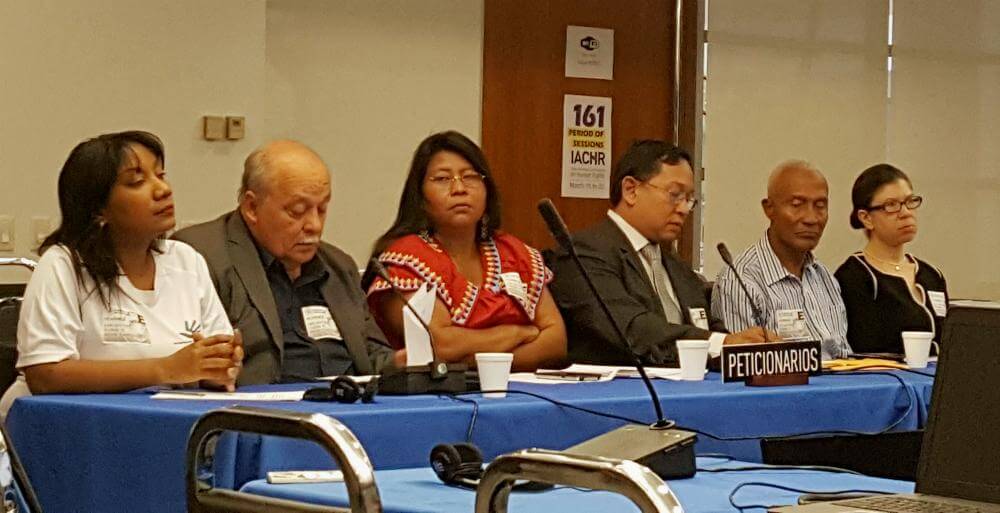
“To lose the river is to lose all human life, not only of the Indigenous People(s). To lose the water is to lose the blood of the spirit of all humanity,” said M22 leader Clementina Pérez.
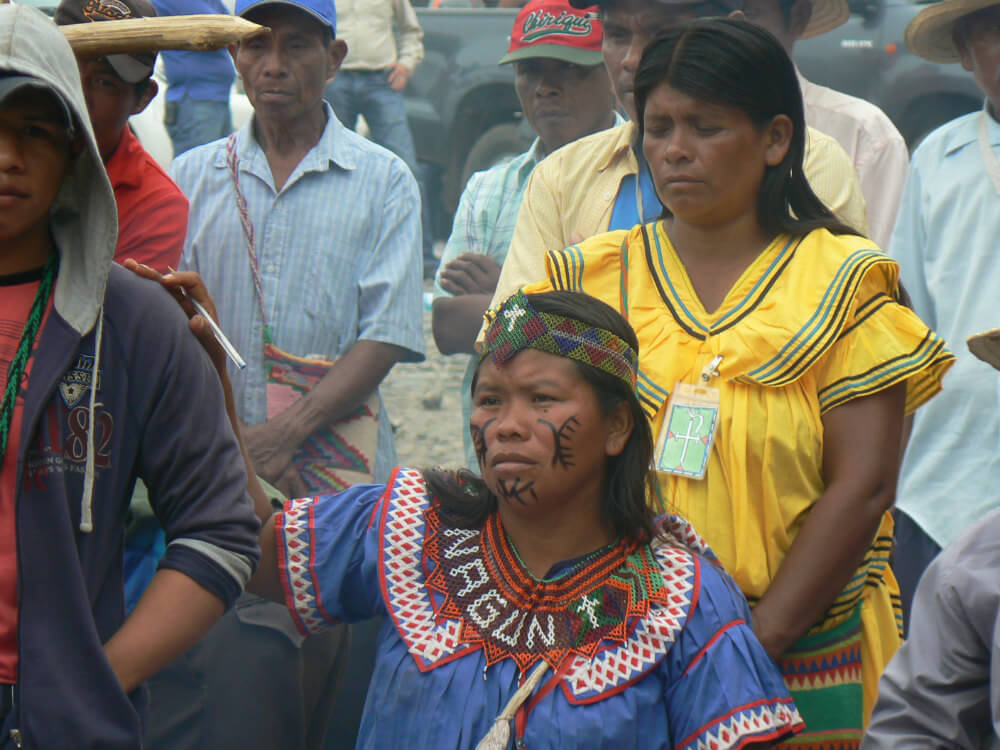
Clementina and the M22 movement (Photo: Jennifer Kennedy)
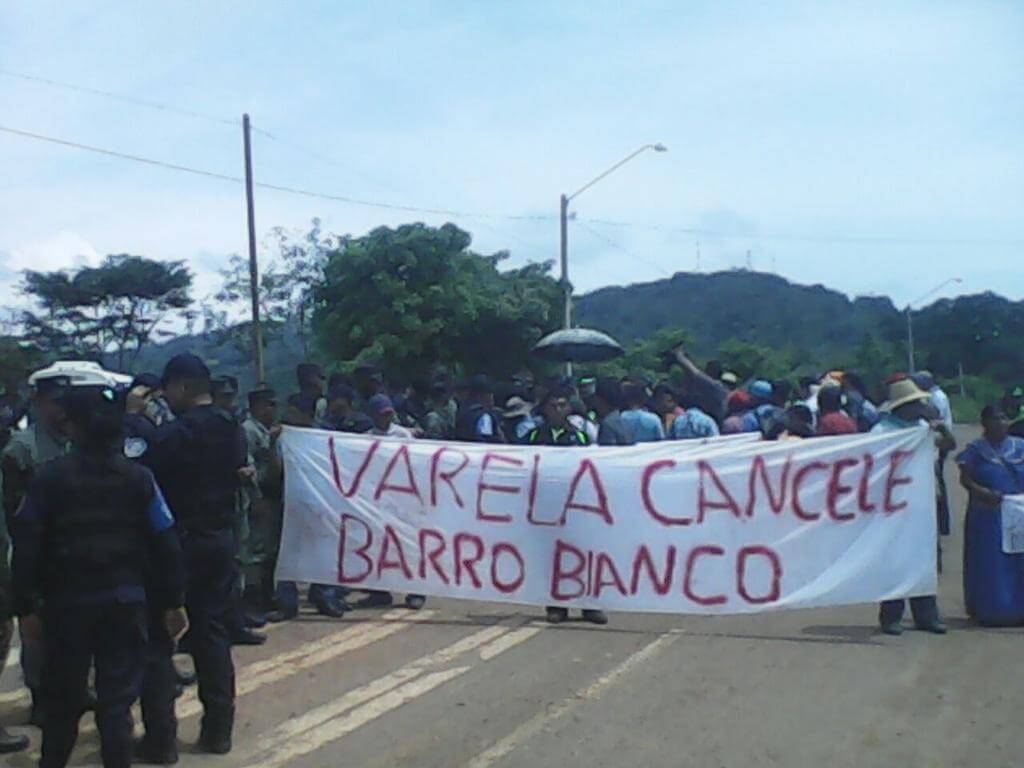
A few kilometers east of Barro Blanco at another protest camp in the community of Vigui, the police acted more forcefully, flooding the area with some 300 units. Protesters are now being prevented from assembling by the roadside or raising their banners. At the town of Tolé, a large police line is also said to be stopping groups from closing the highway. Protesters complain that the police are harassing them throughout the night with loud sirens and harsh spotlights trained on their camps. The exact same psychological tactics were deployed by the previous Martinelli administration, notorious for its violent crackdowns (and currently under investigation for corruption).
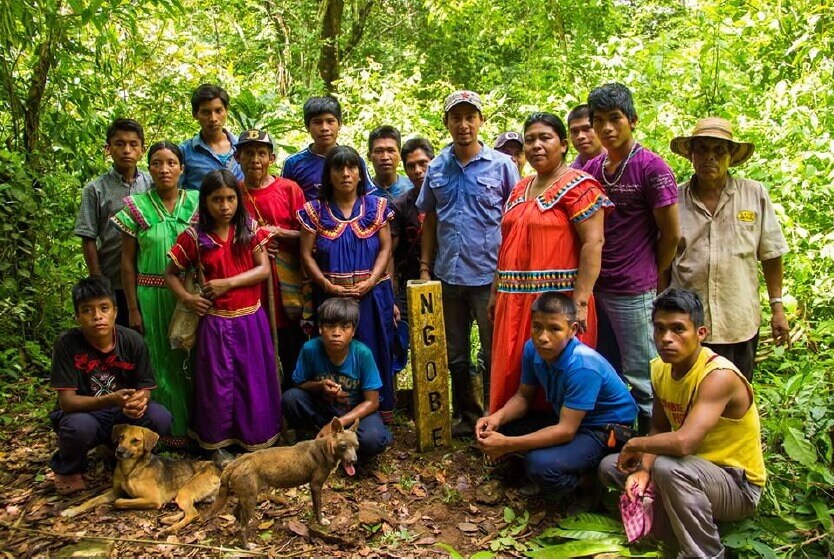
Memories of the Martinelli years are never far away. Today, Sunday, July 19, in the coffee growing regions of western Chiriquí province, Ngäbe groups are gathering in the highland town of Cerro Punta to express their solidarity with the Tabasará communities.
Solidarity in Cerro Punta (Photo: Ricardo Miranda)
Two years ago, on World Water Day, an identical protest ended in tragedy when two young activists were abducted by a group of masked men. One of them, Onesimo Rodriguez, was beaten to death and left in a ditch. The other was seriously injured but managed to recover in the safety of his own community. To date, no light has been shed on the incident.
Across the world right now, Indigenous peoples are facing a renewed assault on their lands, rights, and ways of life.
From extractive industries pushing deeper into ancestral territories, to governments rolling back hard-won protections,
the threat is global—and it is growing.
What makes this moment especially dangerous is how little attention it receives.
Stories like this are disappearing in real time. Mainstream media
barely covers it and the coverage is fragmented. The public is left without the context
needed to understand what is truly at stake.
That is exactly why IC Magazine exists..
For more than 20 years, IC has reported on Indigenous struggles worldwide — consistently, independently, and without compromise.
We don’t follow news cycles; we trace patterns. We don’t sensationalize; we provide context.
And when the world looks away, we stay focused.
But this work is increasingly difficult to sustain.
We refuse to lock our reporting behind a paywall. We don’t sell access through subscriptions.
And we don’t answer to advertisers. IC Magazine survives solely because readers like you choose to
support independent Indigenous journalism.
Please donate today if you can. Every contribution helps us to continue this crucial work.
Thank you,
John Ahni Schertow
Founder and Editor in Chief