
Last Updated on April 10, 2025
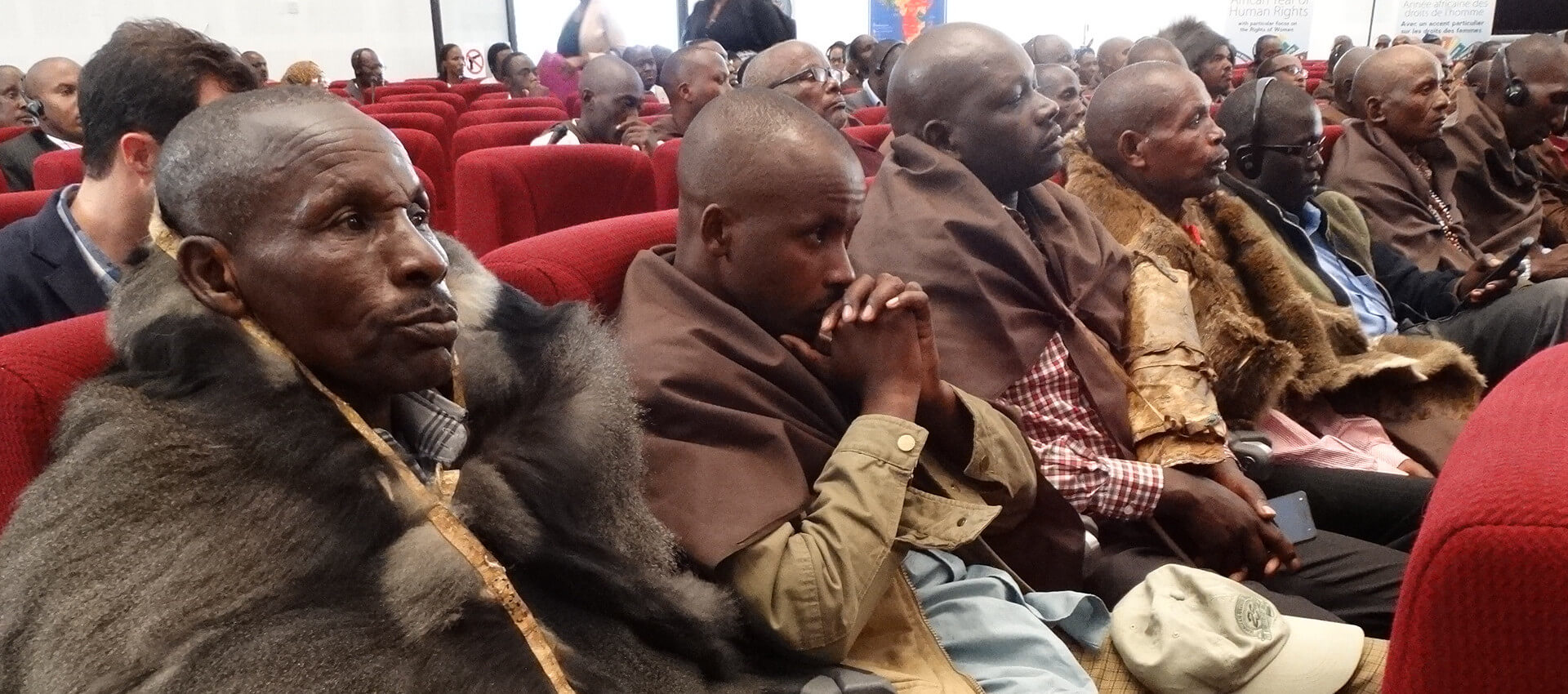
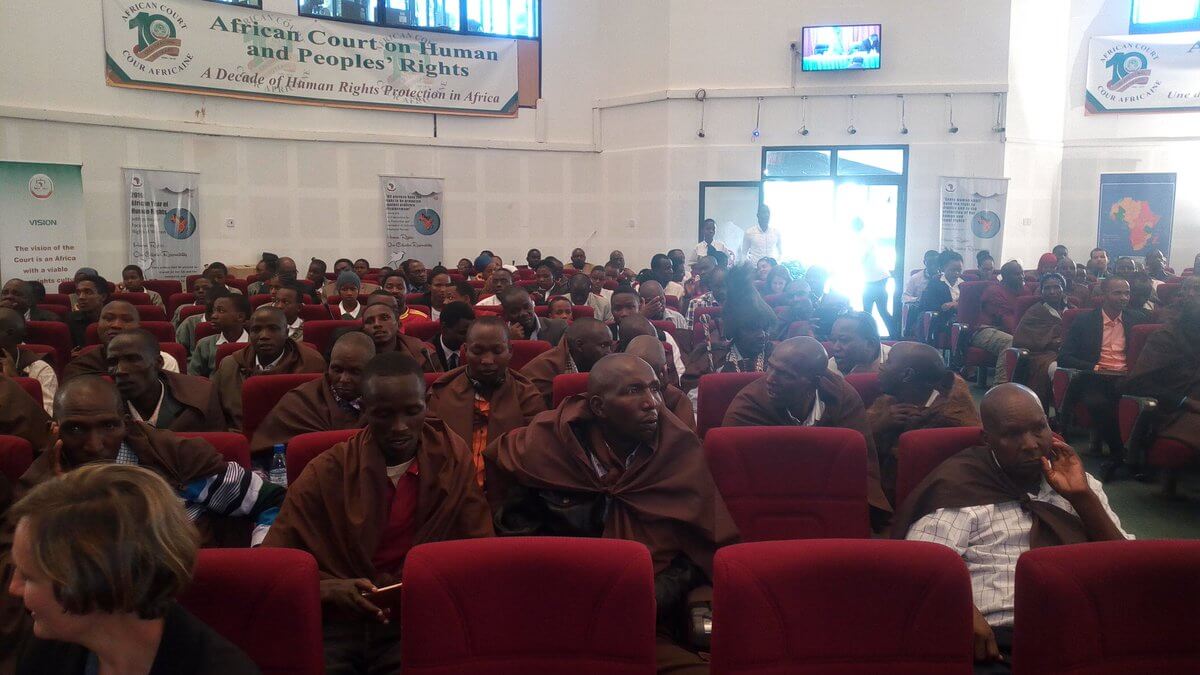
The African Court on Human and Peoples Rights, at its 45th session on May 26, 2017 in Arusha, Tanzania, delivered a long-awaited and unanimous judgement against the Kenya government in a case brought before it by the Ogiek Indigenous Peoples.
The African Commission on Human and Peoples Rights had filed the case after the applicant proved consistent violations and the denial of the human and land rights of the Ogiek by the Republic of Kenya.
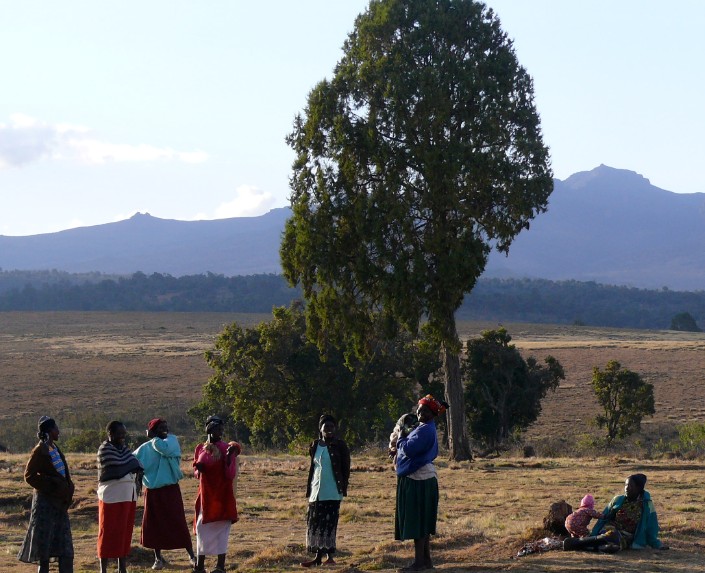
In November 2009, when the Kenyan Forest Service (KFS) delivered a potentially fatal blow against the Ogiek with the designation of an eviction order in October 2009 against the Ogiek and anyone else within the Mau Forest Complex–the ancestral homeland of the Ogiek–within 30 days, the African Court had issued an order to suspend the implementation of the eviction notice.
In March 2013, the African Court issued additional provisional measures requiring the Kenyan Government to stop any land transactions in the Mau Forest and refrain from taking any action that would harm the case, until a decision had been reached. This order, however, has never been respected by the Kenyan state.
After dismissing the numerous objections of the government of Kenya, the African Court delivered in Arusha a comprehensive judgement and a very clear ruling, read out over almost 2 hours by Hon. Justice Agustino Ramadani, the former President of the African Court.
The court found that the government of the Republic of Kenya illegally evicted members of the Ogiek community from the Mau Forest and has continuously violated the rights of the Ogiek under Articles 1, 2, 8, 14, 17 (2/3), 21 and 22 of the African Charter on Peoples and Human Rights.
The Republic of Kenya given 6 months to implement required remedies
Concerning the demand for reparations and compensation, the Ogiek have 90 days to file an application and the Kenya state has 90 days to respond to the demands. After this period, the African Court will rule on the reparations to be awarded to the Ogiek community and its victims of abusive state power.
The ruling has been widely welcomed as a fair and just decision by the Ogiek and ECOTERRA Intl., an organization that has stood by the Ogiek since 1986, as well as other important supporters including Friends of Peoples close to Nature (fPcN-interCultural), Minority Rights International and CEMIRIDE.
Across the world right now, Indigenous peoples are facing a renewed assault on their lands, rights, and ways of life.
From extractive industries pushing deeper into ancestral territories, to governments rolling back hard-won protections,
the threat is global—and it is growing.
What makes this moment especially dangerous is how little attention it receives.
Stories like this are disappearing in real time. Mainstream media
barely covers it and the coverage is fragmented. The public is left without the context
needed to understand what is truly at stake.
That is exactly why IC Magazine exists..
For more than 20 years, IC has reported on Indigenous struggles worldwide — consistently, independently, and without compromise.
We don’t follow news cycles; we trace patterns. We don’t sensationalize; we provide context.
And when the world looks away, we stay focused.
But this work is increasingly difficult to sustain.
We refuse to lock our reporting behind a paywall. We don’t sell access through subscriptions.
And we don’t answer to advertisers. IC Magazine survives solely because readers like you choose to
support independent Indigenous journalism.
Please donate today if you can. Every contribution helps us to continue this crucial work.
Thank you,
John Ahni Schertow
Founder and Editor in Chief