
Last Updated on August 30, 2018
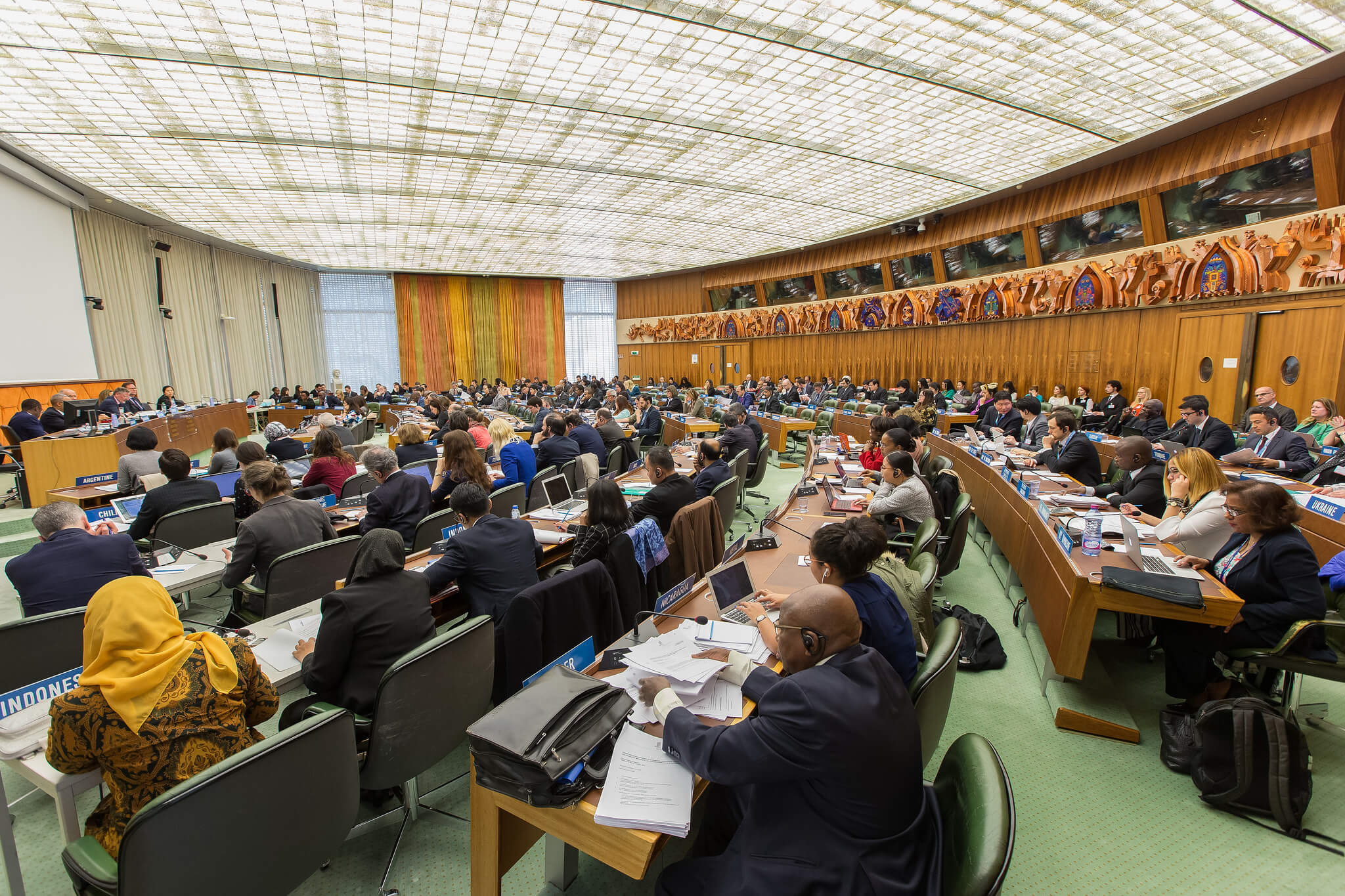
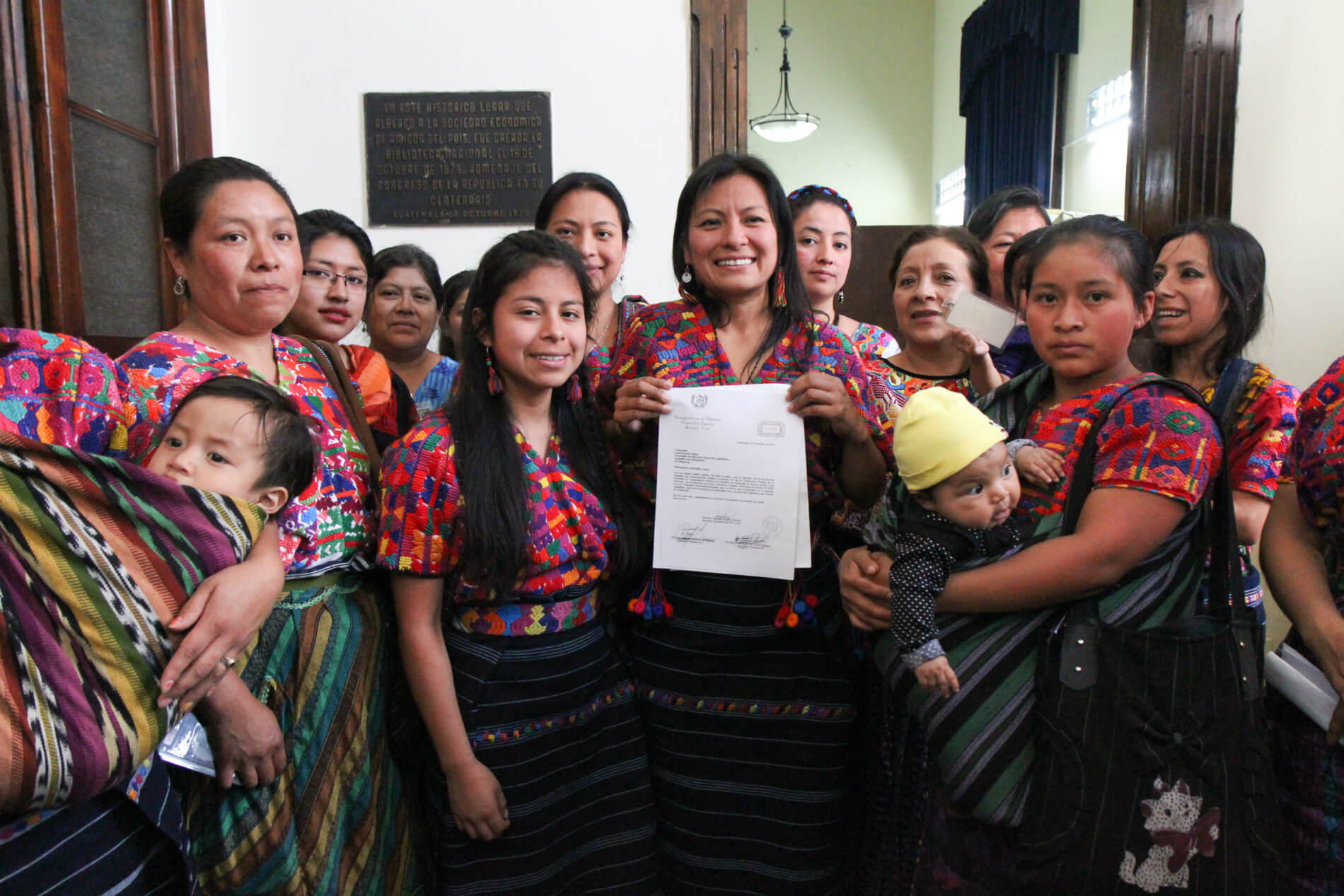
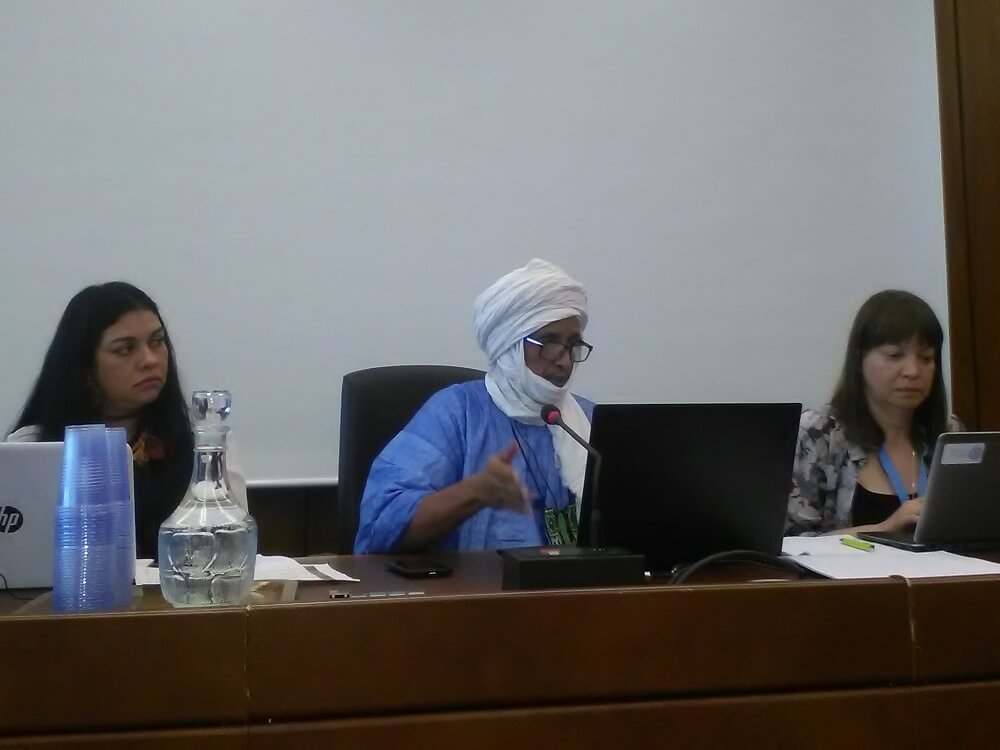
Different representatives of Indigenous Peoples shared their views and concerns on the protection of the rights of Indigenous Peoples and local communities during a side event at the World Intellectual Property Organization this week. Speakers underlined the need of consultation of Indigenous Peoples during negotiations about their rights.
The side event was organized on 13 June, during the 34th session of the Intergovernmental Committee on Intellectual Property and Genetic Resources, Traditional Knowledge and Folklore (ICG), taking place from 12-16 June.
The United Nations Declaration on the Rights of Indigenous Peoples of 2007, the result of more than 20 years of negotiations, is the most comprehensive international document on the rights of indigenous people, Anne Nuorgam, member of the Saami Parliament of Finland, told the event. The tenth anniversary of the declaration this year is a good moment to look back at the achievements of the declaration, said June Lorenzo, in-house attorney at Pueblo of Laguna, in New Mexico (US).
Local Communities and Indigenous Peoples
Nuorgam said that Indigenous Peoples are the direct beneficiaries of the protection of genetic resources, traditional knowledge and traditional cultural expressions. The government of Finland has stated that local communities are the same as indigenous people, according to Nuorgam.
Lucia Fernanda Inácio Belfort Sales, member of the Povo Kaingáng Peoples in Brazil and executive director of the Instituto Indígena Brasilero da Propriedade Intelectual (InBraPi), said that there is a distinction between Indigenous Peoples and local communities in Brazil. Local communities are groups, creating traditional knowledge and expressions that are not native to Brazil, she said. Not all non-native groups in Brazil are considered as local communities, but only those groups that have conserved their cultural background, she said.
Hardison Preston, policy analyst at Tulalip Tribes in the United Sates, said that there is very little international law on local communities, a term which is less developed than the term Indigenous Peoples. The Convention on Biological Diversity (CBD) of 1992 does protect local communities “embodying traditional lifestyles relevant for the conservation and sustainable use of biological diversity,” he said. But a problem arises when local communities do not have a traditional lifestyle.
Indigenous Peoples consider their traditional cultural expressions as gifts from ancestors of which they have to take care, Preston said. Lorenzo told the conference that there has been a lot taken away from Indigenous Peoples.
Hamadi Ag Mohamed Abba, member of the Touareg people in Mali, said that a lot of traditional knowledge is orally transmitted from one generation to another. This transmission needs to be protected, he added. Q”apaj Conde Choque, aymar arxatiri from the Plurinational State of Bolivia and a WIPO indigenous fellow, said that transmission of traditional knowledge is not ensured due to the lack of legal protection. Elders are willing to transmit knowledge, but this knowledge could be misappropriated. This may have as a consequence that the youth does not have an identity, he added.
Draft Articles on Traditional Cultural Expressions
The 33th session of the IGC developed the text on “The Protection of Traditional Cultural Expressions: Draft Articles Rev. 2.” This text is transmitted by to the 34th session of the IGC, as stated in a document of the WIPO secretariat.
Some issues need to be addressed to ensure compliance with the UN Declaration on the Rights of Indigenous Nuorgam said.
Different alternatives of draft article 5 of the draft articles Rev.2 excluded traditional cultural expressions that are in the public domain and publicly available, she said. Nuorgam urged that these concepts should be deleted. She said that conventional intellectual property acknowledges that something can be publicly available, but still be the object of property.
Article 8 of the draft articles lists three options for the determination of the term of protection of the traditional cultural expressions.
Fernanda asked the audience and the panel to reflect on the time framework as a condition for protection of traditional cultural expressions.
Traditional cultural expressions are not necessarily old, Fernanda said. What makes cultural expression traditional, from Brazil’s point of view, is not the date when the expressions are created, but different other features, such as the context in which they are created and the people who created them, Fernanda said.
Nuorgam said that conventional intellectual property theory allows for protection which is time-bound. Traditional cultural expressions are part of the culture of indigenous people. The value of traditional cultural expressions is much more than the purely economic value, she said.
Q”apaj Conde Choque said that there should not be a time limit for the protection of traditional cultural expressions. As long as Indigenous Peoples are using traditional cultural expression in a traditional manner, it should be protected as traditional cultural expression, he said.
Elise De Geyter is an intern at Intellectual Property Watch and a candidate for the LLM Intellectual Property and Technology Law at the National University of Singapore (class 2017).
Across the world right now, Indigenous peoples are facing a renewed assault on their lands, rights, and ways of life.
From extractive industries pushing deeper into ancestral territories, to governments rolling back hard-won protections,
the threat is global—and it is growing.
What makes this moment especially dangerous is how little attention it receives.
Stories like this are disappearing in real time. Mainstream media
barely covers it and the coverage is fragmented. The public is left without the context
needed to understand what is truly at stake.
That is exactly why IC Magazine exists..
For more than 20 years, IC has reported on Indigenous struggles worldwide — consistently, independently, and without compromise.
We don’t follow news cycles; we trace patterns. We don’t sensationalize; we provide context.
And when the world looks away, we stay focused.
But this work is increasingly difficult to sustain.
We refuse to lock our reporting behind a paywall. We don’t sell access through subscriptions.
And we don’t answer to advertisers. IC Magazine survives solely because readers like you choose to
support independent Indigenous journalism.
Please donate today if you can. Every contribution helps us to continue this crucial work.
Thank you,
John Ahni Schertow
Founder and Editor in Chief