Last Updated on April 10, 2025
History was made last month when the ancestral lands of Easter Island were returned to the native people of this remote South Pacific island.
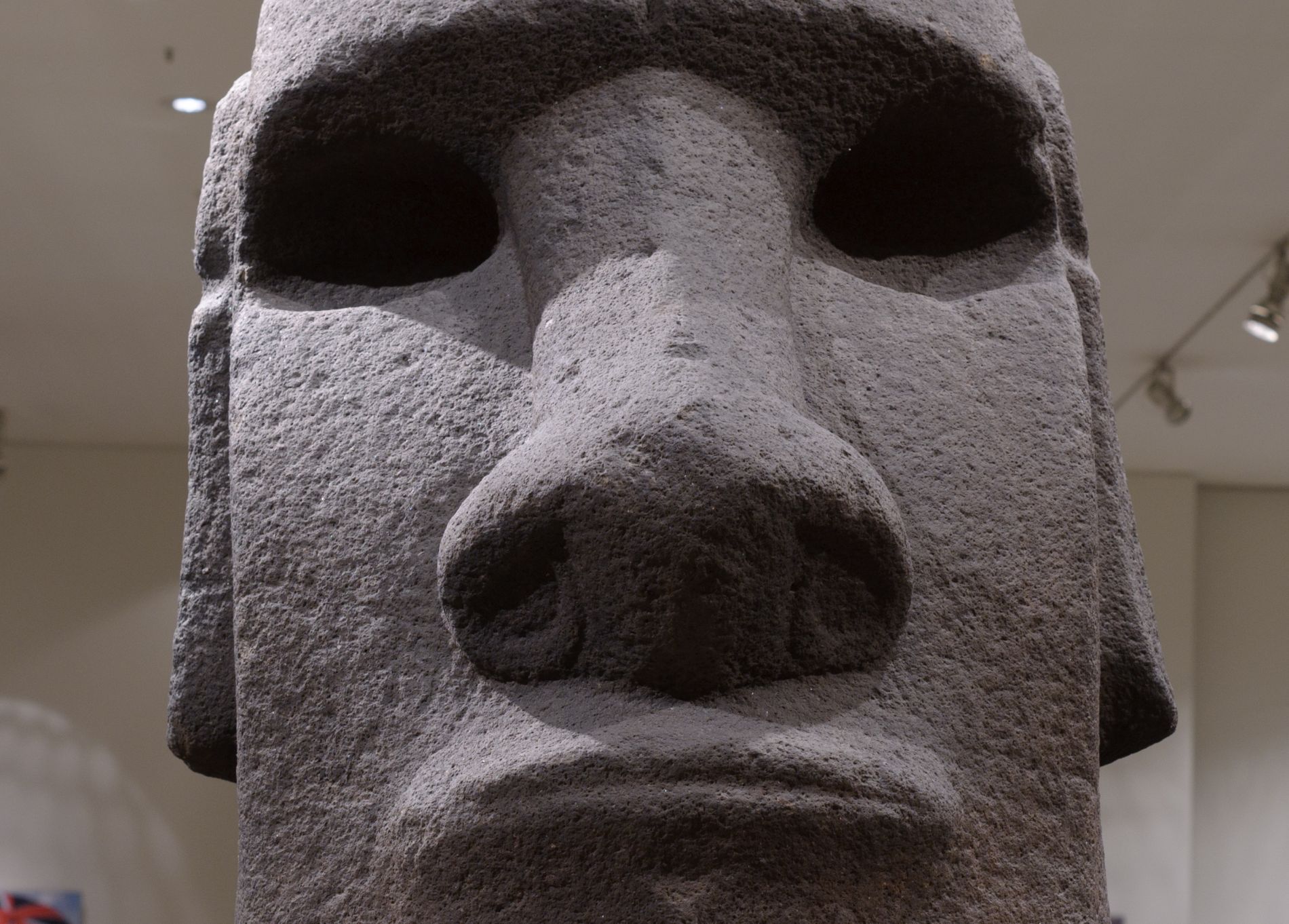
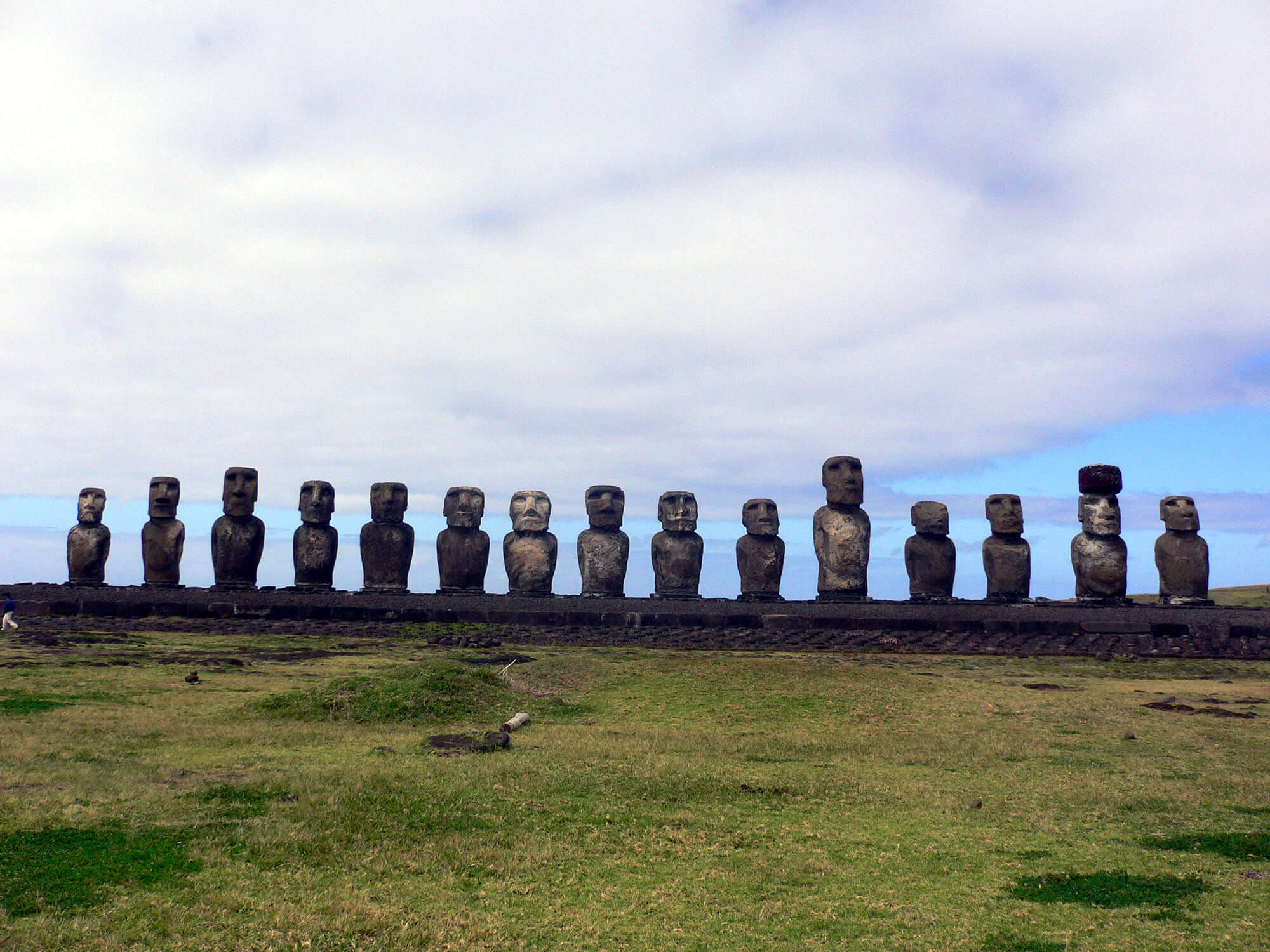
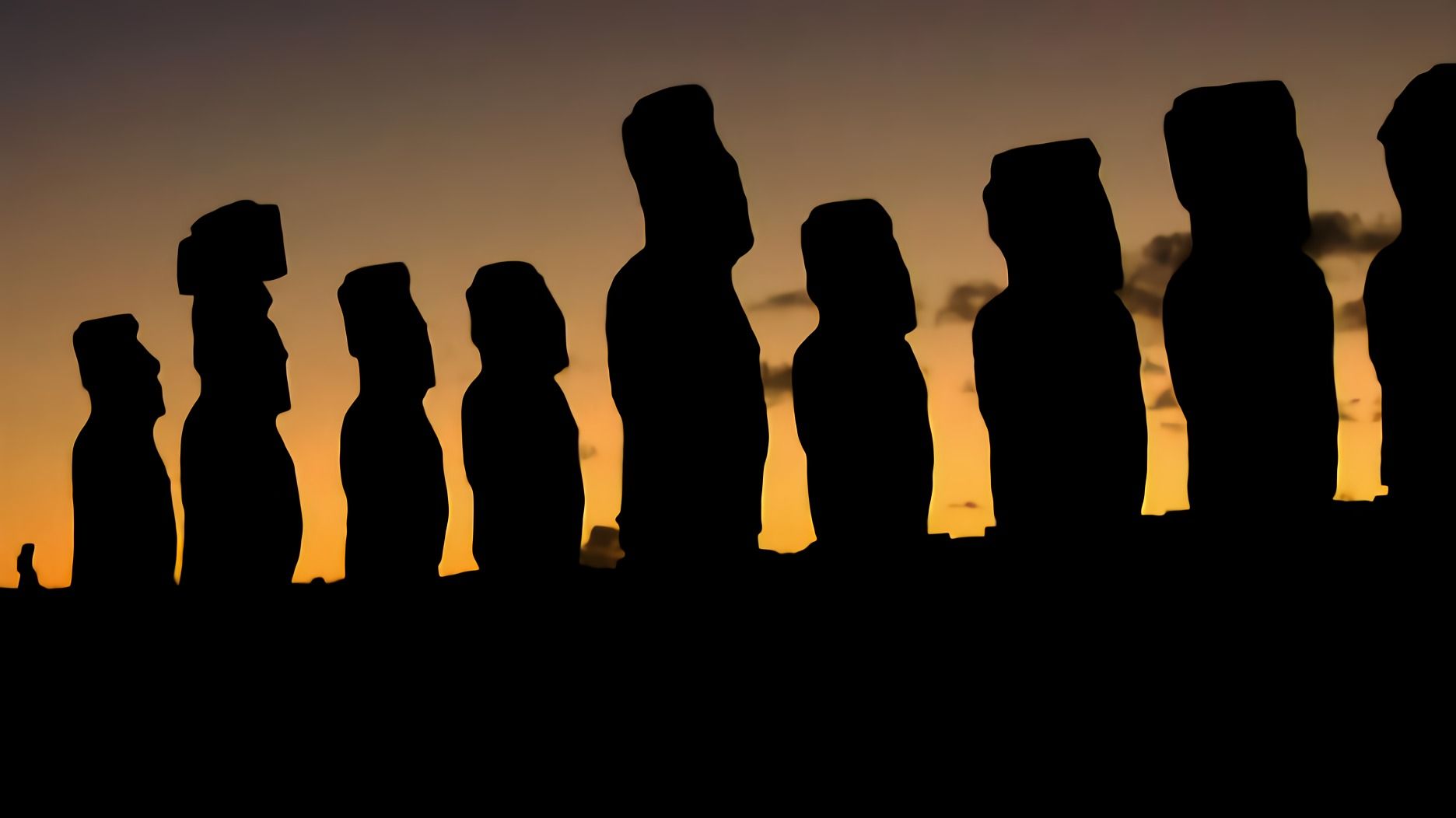
Up until the end of the 19th century, the inhabitants of Rapa Nui (also known as Easter Island) used to live all over the island, where one can find the mighty moai statues this island is famous for. In 1888, the island was annexed to Chile, that rented out the island to a sheep shearing business. As a consequence, the Rapa Nui Peoples were forced away from their homes and moved into what became the island’s only town – Hanga Roa.
Dancers performed in honor of the occasion.
Tourism started on a bigger scale in 1986, when NASA extended and improved the airport, thus allowing big passenger planes to visit. To minimize impact on the archaeology, the Chilean national forest corporation CONAF has controlled the archaeological sites in recent decades.
On Nov. 23, Chilean president Michelle Bachelet officially gave control of these archaeological sites back to the locals, by passing it on to a local entity called Ma’u Henua.
Native dancers performed a “hoko” (war dance) for the president.
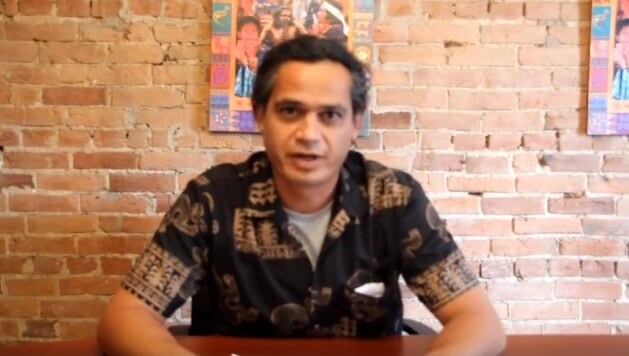
“The first change that will happen from today and onwards is that all decisions that will be taken here on the island, will be taken by the Rapanui people”, Camilo Rapu, director of Ma’u Henua said. He expresses great hope and enthusiasm about reforesting the island with endemic plants, as the island was a thousand years ago. At the same time, he is careful about taking decisions about guide certification and restoration of ancient monuments, as he wants not only Ma’u Henua, but the whole Rapa Nui population to partake in these decisions.
The chilean president Michelle Bachelet was first to eat from the ceremonial food umu tahu.
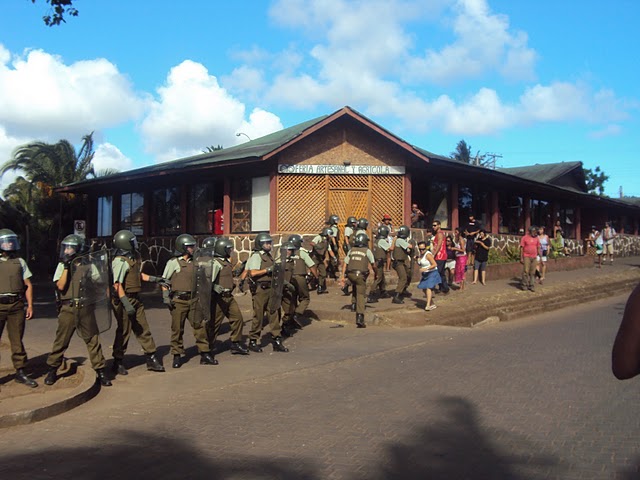
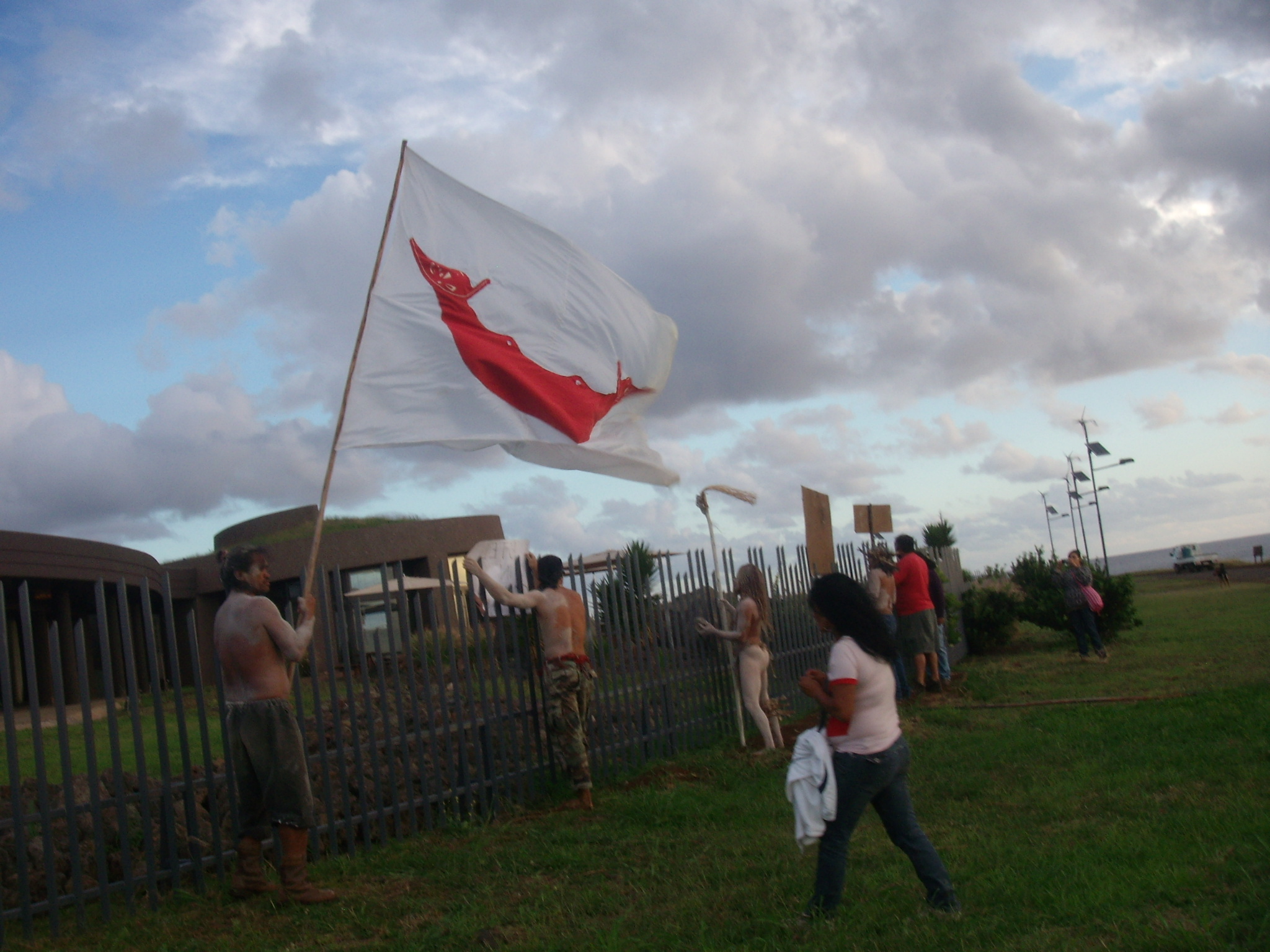
A lot has happened in the last two years. After the 2015 roadblock conflict by the Rapa Nui Parliament, Ma’u Henua was born, which started to co-administer the national park together with CONAF. Immigration laws were also approved by the Chilean senate and are soon to be applied.
Now, control of the archaeological sites have been given to the local entity Ma’u Henua.
Across the world right now, Indigenous peoples are facing a renewed assault on their lands, rights, and ways of life.
From extractive industries pushing deeper into ancestral territories, to governments rolling back hard-won protections,
the threat is global—and it is growing.
What makes this moment especially dangerous is how little attention it receives.
Stories like this are disappearing in real time. Mainstream media
barely covers it and the coverage is fragmented. The public is left without the context
needed to understand what is truly at stake.
That is exactly why IC Magazine exists..
For more than 20 years, IC has reported on Indigenous struggles worldwide — consistently, independently, and without compromise.
We don’t follow news cycles; we trace patterns. We don’t sensationalize; we provide context.
And when the world looks away, we stay focused.
But this work is increasingly difficult to sustain.
We refuse to lock our reporting behind a paywall. We don’t sell access through subscriptions.
And we don’t answer to advertisers. IC Magazine survives solely because readers like you choose to
support independent Indigenous journalism.
Please donate today if you can. Every contribution helps us to continue this crucial work.
Thank you,
John Ahni Schertow
Founder and Editor in Chief