
Last Updated on March 27, 2018
“The time to build dangerous fossil fuel projects is long over. We are here to stand behind the Indigenous communities at the front lines of this fight and to demand that Trudeau’s government honour their election promise and put communities and the planet above short-term profits.”
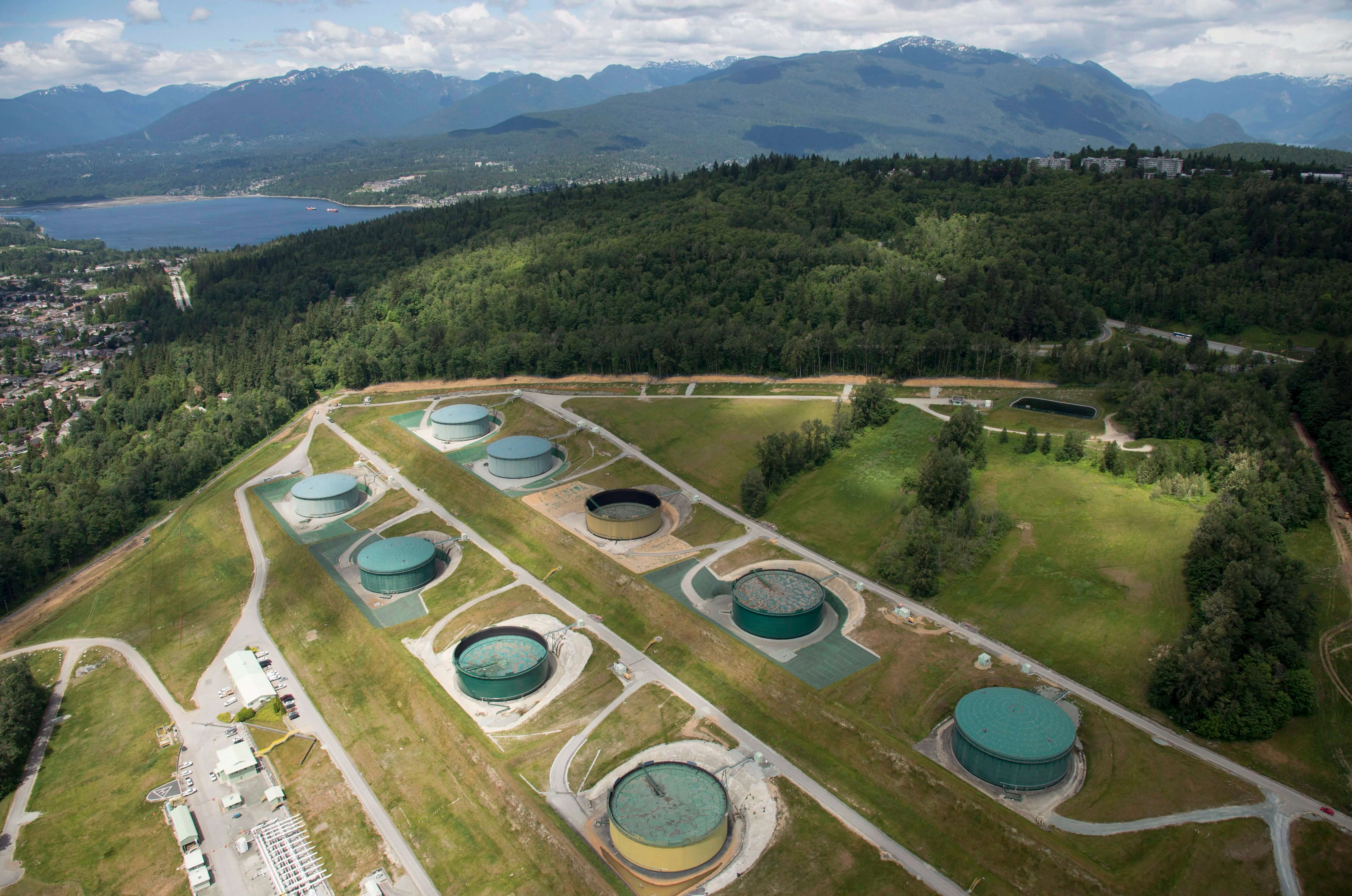
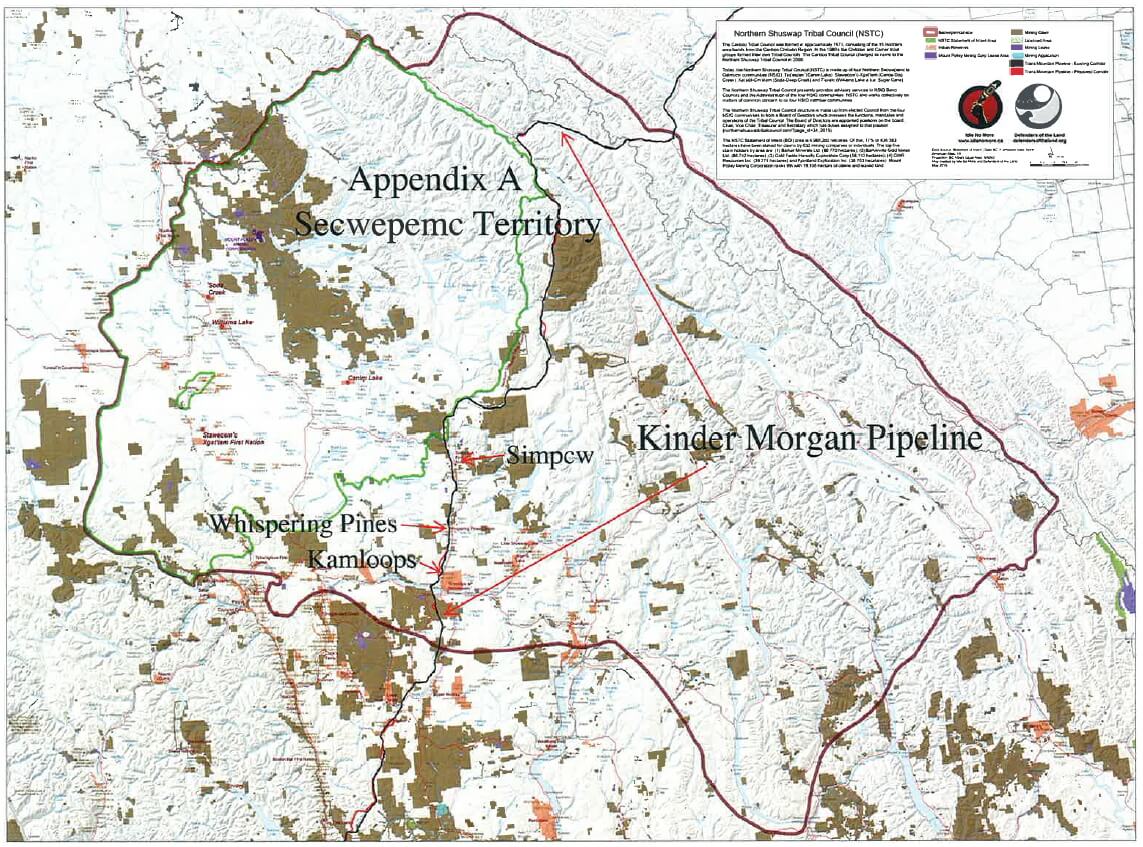
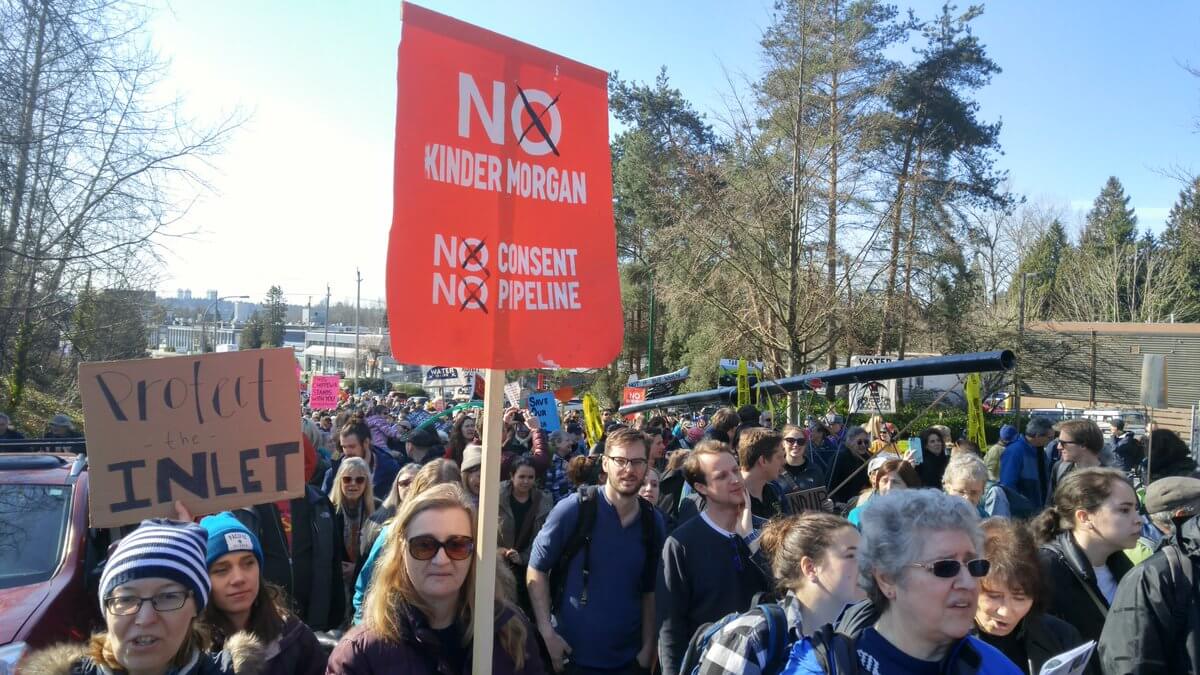
March 27, 2018, Ottawa/Algonquin territory – Today Ottawa residents return to MP and Environment and Climate Change Minister Catherine McKenna’s office to demand federal action to stop Kinder Morgan’s proposed Trans Mountain pipeline and tanker project.
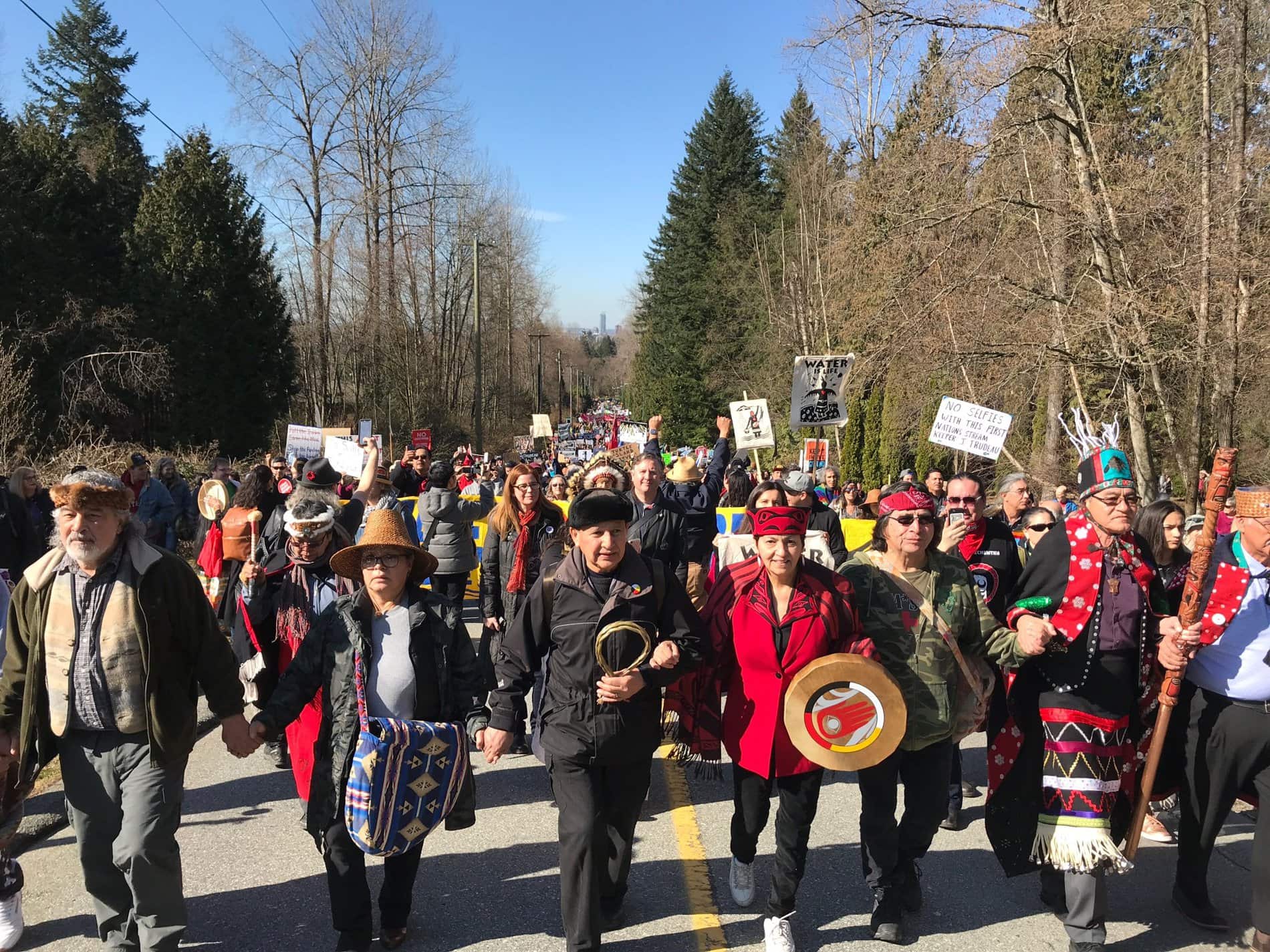
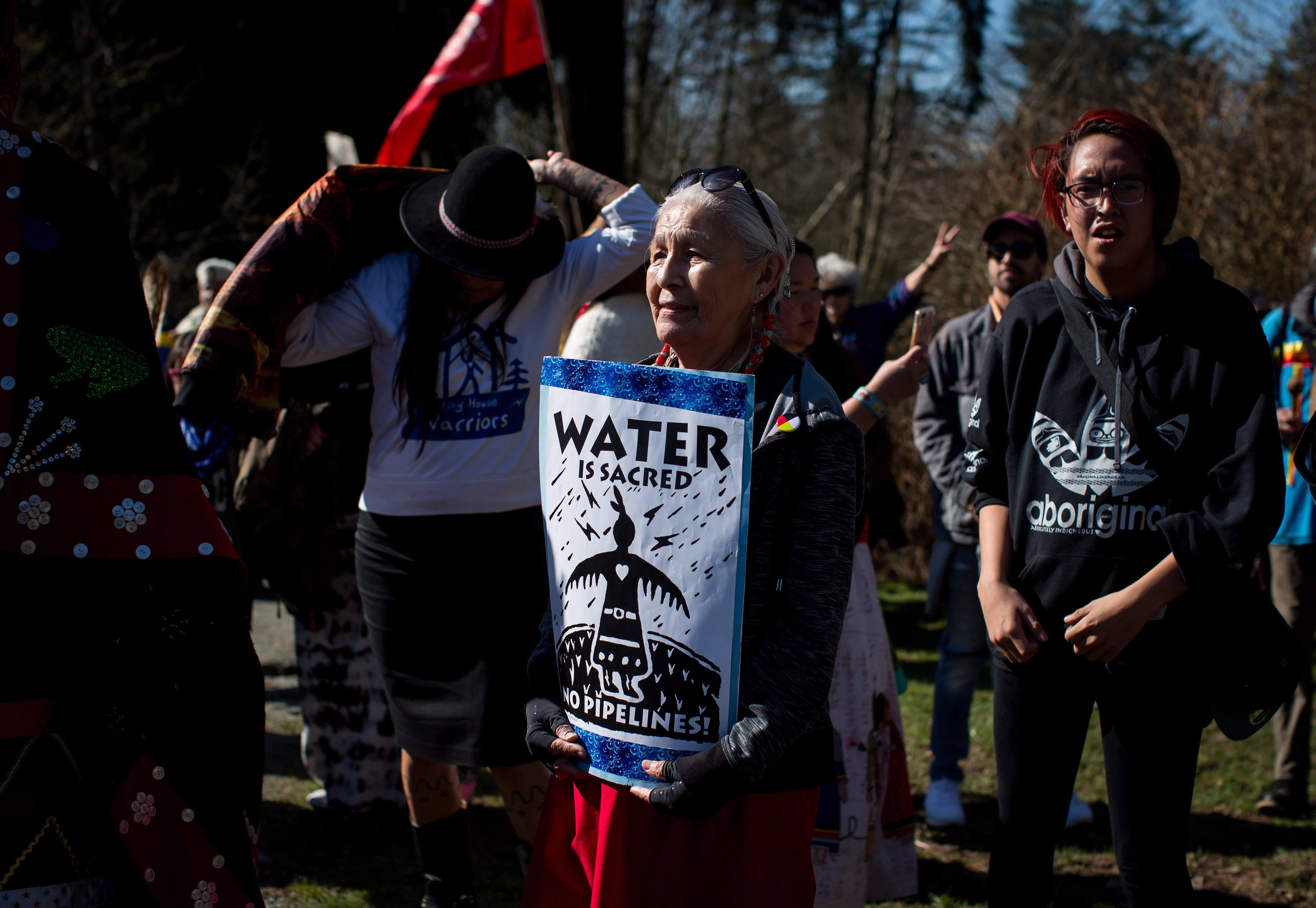
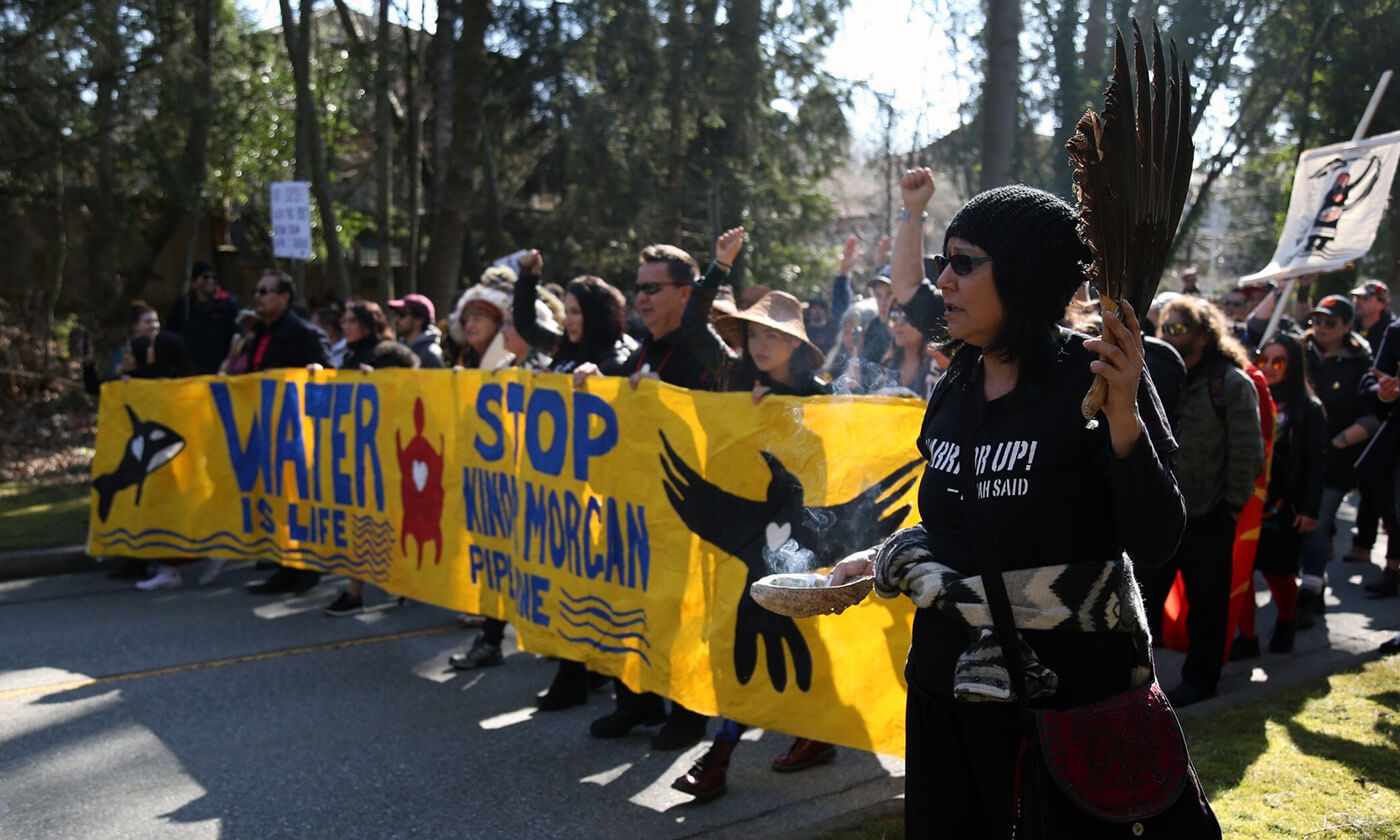
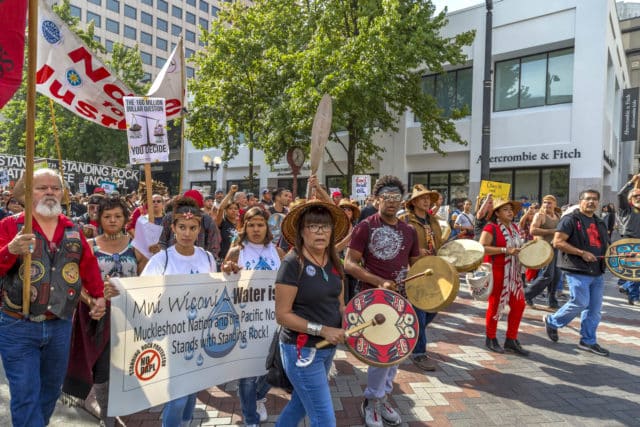
On March 10, over 10,000 people marched to Burnaby Mountain where a traditional Coast Salish watch house (“Kwekwecnewtxw”) was built by Indigenous peoples, spiritual leaders, and youth. Since March 17, 173 people have been arrested at the gates of Kinder Morgan. For the first time in history, sitting MPs have been arrested.
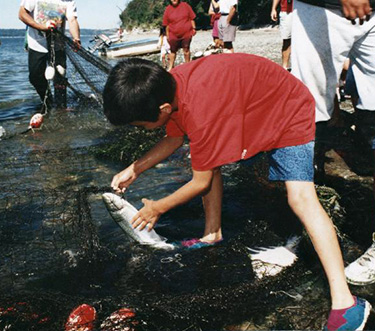
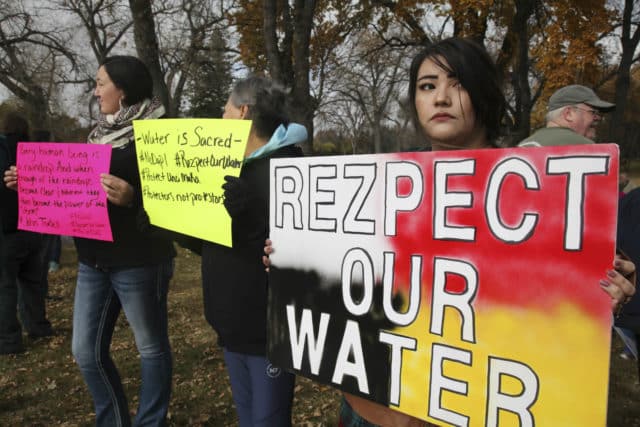
Last Friday, 50 actions happened across Canada. In Ottawa, over 100 Ottawa-Centre constituents marched to McKenna’s office to deliver a water sample from Coast Salish territory to show her what she puts at risk by allowing the twinning of the pipeline.
McKenna did not find the time to meet with her constituents last week, who continue to demand to have their concerns and demands heard and addressed by their MP. Specifically, the group asks that McKenna agree to meet with the Coast Salish water defenders at their Watch House.
What: Ottawa residents return to MP McKenna’s office to demand their concerns over Kinder Morgan be heard and addressed, and ask MP McKenna to meet with the Coast Salish water defenders at the Watch House.
When: Tuesday March 27th, 12 PM EST
Where: 107 Catherine St, Ottawa
Interview Opportunities: Spokespeople will be available for interviews throughout the day
-33-
CONTACT:
Emma Buchanan | emma.buchs@gmail.com | 613-315-1714
Gabriel D’Astous | gabrieldastous@gmail.com | 778- 877-2362
Julia Levin | julia.f.levin@gmail.com | 613-404-6636
Across the world right now, Indigenous peoples are facing a renewed assault on their lands, rights, and ways of life.
From extractive industries pushing deeper into ancestral territories, to governments rolling back hard-won protections,
the threat is global—and it is growing.
What makes this moment especially dangerous is how little attention it receives.
Stories like this are disappearing in real time. Mainstream media
barely covers it and the coverage is fragmented. The public is left without the context
needed to understand what is truly at stake.
That is exactly why IC Magazine exists..
For more than 20 years, IC has reported on Indigenous struggles worldwide — consistently, independently, and without compromise.
We don’t follow news cycles; we trace patterns. We don’t sensationalize; we provide context.
And when the world looks away, we stay focused.
But this work is increasingly difficult to sustain.
We refuse to lock our reporting behind a paywall. We don’t sell access through subscriptions.
And we don’t answer to advertisers. IC Magazine survives solely because readers like you choose to
support independent Indigenous journalism.
Please donate today if you can. Every contribution helps us to continue this crucial work.
Thank you,
John Ahni Schertow
Founder and Editor in Chief