Last Updated on August 14, 2026
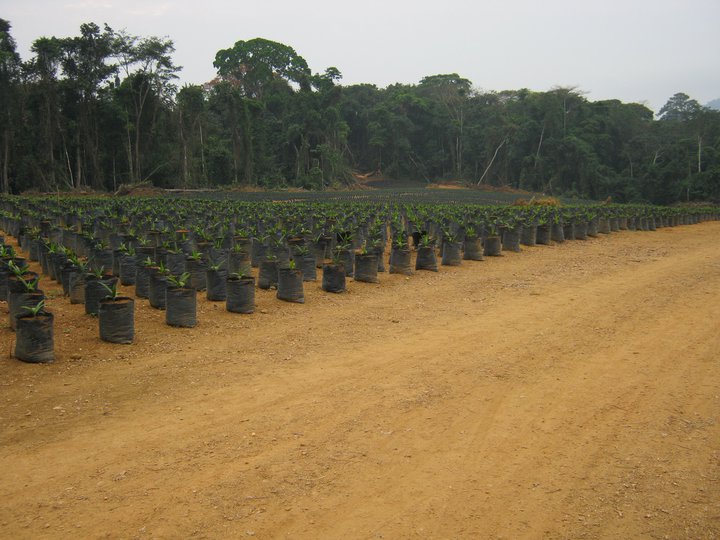
In May 2007, the transnational company Michelin, the world’s second largest producer of tires, was granted rights to more than 3,500 hectares of land in Nigeria’s Iguobazuwa Forest Reserve.
“[The] Iguobazuwa Forest Reserve has been described in time past as one of the forest and biodiversity-rich regions of Nigeria. Around Iguobazuwa, more than 20,000 agrarian people live. They depend on the forest for their daily livelihoods and furthermore they used to have their farmlands around the forests to cultivate the land,” explains a recent report by the World Rainforest Movement (WRM).
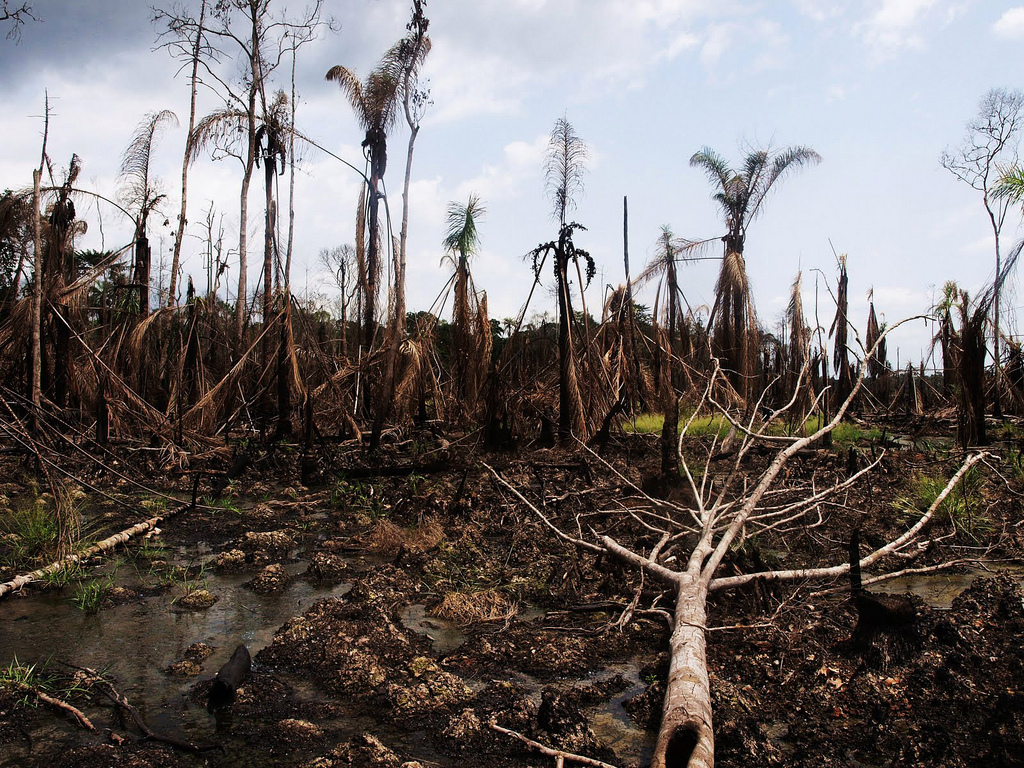
Soon after the company arrived it began to bulldoze the region, eventually depriving the local population of their livelihoods, the forest and their communal farm lands. As many as nine communities were left with nothing.
Since then, several members of the communities have attempted to speak up, but without much success.
Refusing to give up, however, Women from the communities organized a two-day gathering last November, so members could share their experiences and develop a plan to get their lands back.
When the gathering came to a close, the participants stood together, committed to reclaiming their lands, and to never give up ‘until every felled tree is replaced and they are given full compensation for the crops they have lost.’
Immediately after the gathering, however, Michelin tried to break apart this new-found solidarity, by giving compensation to two — and only two — of the nine communities.
The first community was paid an ‘equal amount to the lands they lost while the other community… was payed what the community people described as peanuts, as, according to them, it was a far cry from the extent of destruction and was not commensurate with the amount valued for the crops destroyed,” says the WRM
Unfortunately, the petty tactic managed to create divisions between the communities, but even so, it remains a distant second to the hunger, malnutrition, poverty, and major health risks the communities will face unless their demands are met.
To that end, please take a moment to a send a letter to Michelin and to the Nigerian Government.
Across the world right now, Indigenous peoples are facing a renewed assault on their lands, rights, and ways of life.
From extractive industries pushing deeper into ancestral territories, to governments rolling back hard-won protections,
the threat is global—and it is growing.
What makes this moment especially dangerous is how little attention it receives.
Stories like this are disappearing in real time. Mainstream media
barely covers it and the coverage is fragmented. The public is left without the context
needed to understand what is truly at stake.
That is exactly why IC Magazine exists..
For more than 20 years, IC has reported on Indigenous struggles worldwide — consistently, independently, and without compromise.
We don’t follow news cycles; we trace patterns. We don’t sensationalize; we provide context.
And when the world looks away, we stay focused.
But this work is increasingly difficult to sustain.
We refuse to lock our reporting behind a paywall. We don’t sell access through subscriptions.
And we don’t answer to advertisers. IC Magazine survives solely because readers like you choose to
support independent Indigenous journalism.
Please donate today if you can. Every contribution helps us to continue this crucial work.
Thank you,
John Ahni Schertow
Founder and Editor in Chief