Last Updated on July 4, 2011
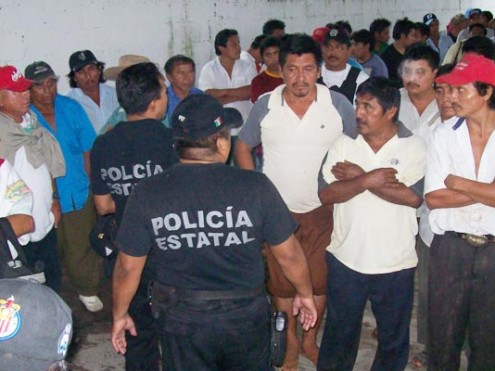
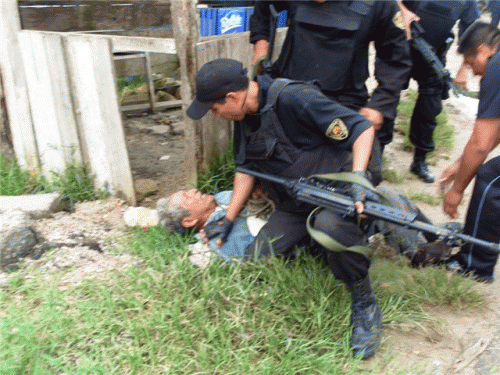
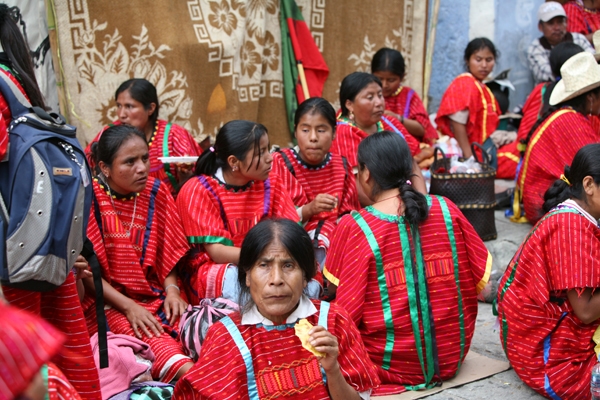
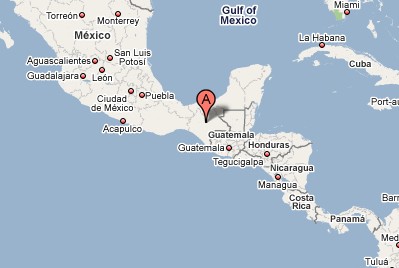
In a coordinated effort with “civilian aggressors”, as many as 260 police officers tried to evict 500 Mayan families from a 6-acre lot of land they occupied last month, near the town of San Cristobal de las Casas, in Chiapas, Mexico.
The eviction ultimately failed, but not before twelve Mayans and fifteen police were injured and about 100 homes were destroyed.
The attempted eviction took place on the morning of March 26, following an order from the Mayor of San Cristobal de las Casas. At the prompting of civilians from the town, the Mayor said the Mayans have to be evicted because the land is owned by “the National Commission for the Development of Indigenous Peoples” (CDI), a Federal Agency that is supposed to “protect and promote the interest and well-being of [Indigenous Peoples] with due regard to their beliefs, customs, traditions and institutions.”
According to eye witnesses, the police, who were armed with pepper spray and riot shields, cordoned off the area while the civilians began to raid and set fire to the Mayans’ homes. The civilians were themselves armed with gasoline, sticks and Machetes.
“They said nothing. They began to hit us and destroy things,” said one Woman. “They treated us like animals.”
Needless to say, the community defended itself, picking up stones, sticks, and whatever else was on hand. The police “tried to respond the same way” says the EFE News Service, but they finally decided to withdraw without managing to expel the [Mayans].”
The community has since warned that they have no intention of leaving the land. “We’re not leaving, because we have nowhere to live and even if we have to die, we’re staying here.”
Across the world right now, Indigenous peoples are facing a renewed assault on their lands, rights, and ways of life.
From extractive industries pushing deeper into ancestral territories, to governments rolling back hard-won protections,
the threat is global—and it is growing.
What makes this moment especially dangerous is how little attention it receives.
Stories like this are disappearing in real time. Mainstream media
barely covers it and the coverage is fragmented. The public is left without the context
needed to understand what is truly at stake.
That is exactly why IC Magazine exists..
For more than 20 years, IC has reported on Indigenous struggles worldwide — consistently, independently, and without compromise.
We don’t follow news cycles; we trace patterns. We don’t sensationalize; we provide context.
And when the world looks away, we stay focused.
But this work is increasingly difficult to sustain.
We refuse to lock our reporting behind a paywall. We don’t sell access through subscriptions.
And we don’t answer to advertisers. IC Magazine survives solely because readers like you choose to
support independent Indigenous journalism.
Please donate today if you can. Every contribution helps us to continue this crucial work.
Thank you,
John Ahni Schertow
Founder and Editor in Chief