
Last Updated on April 10, 2025
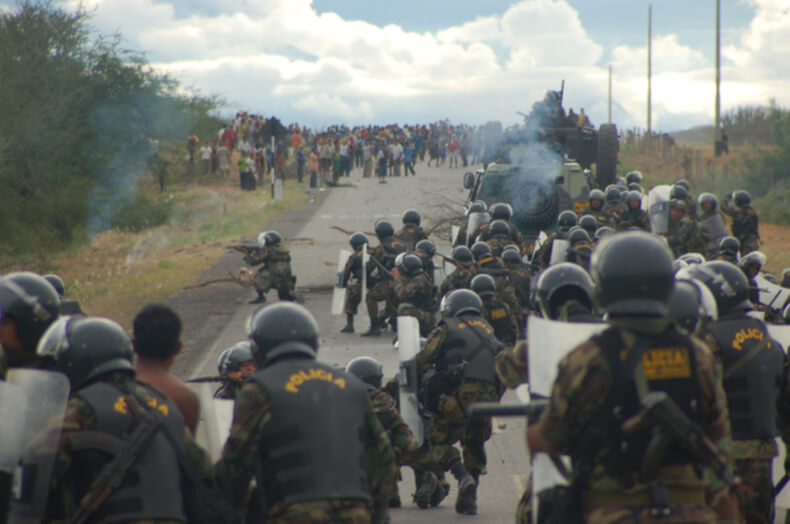
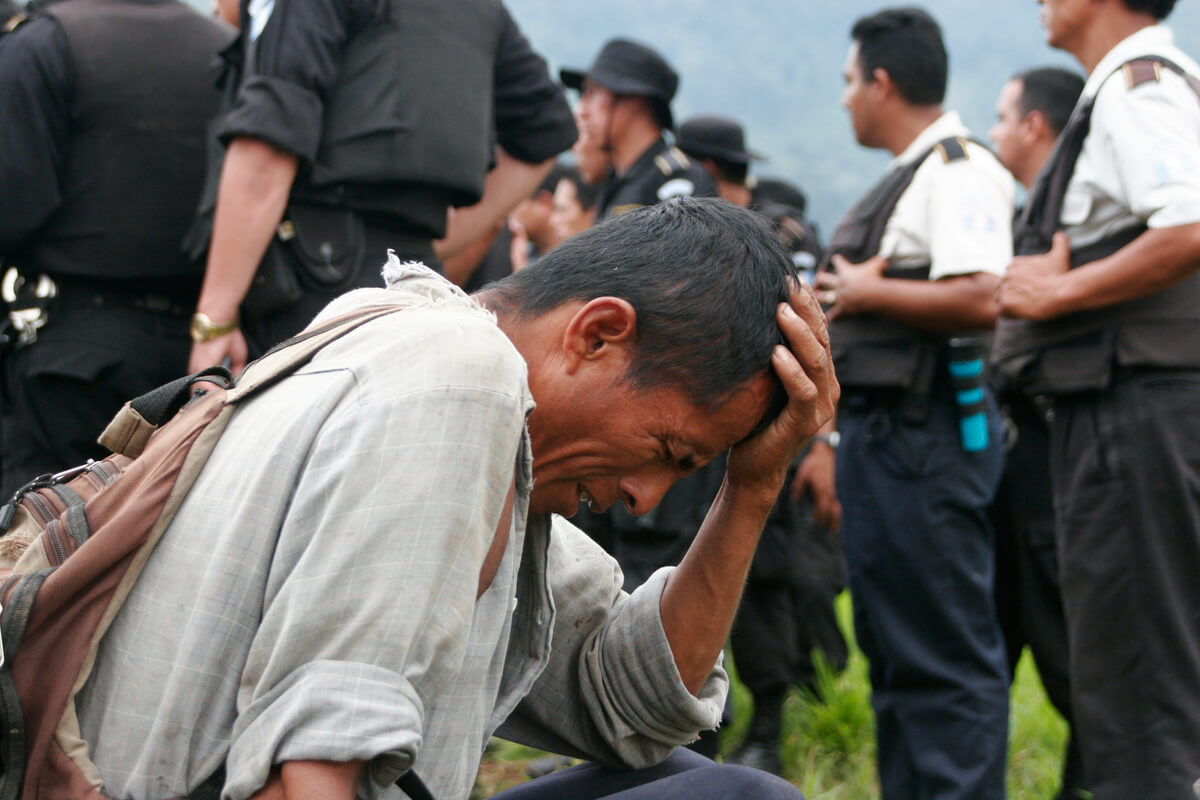
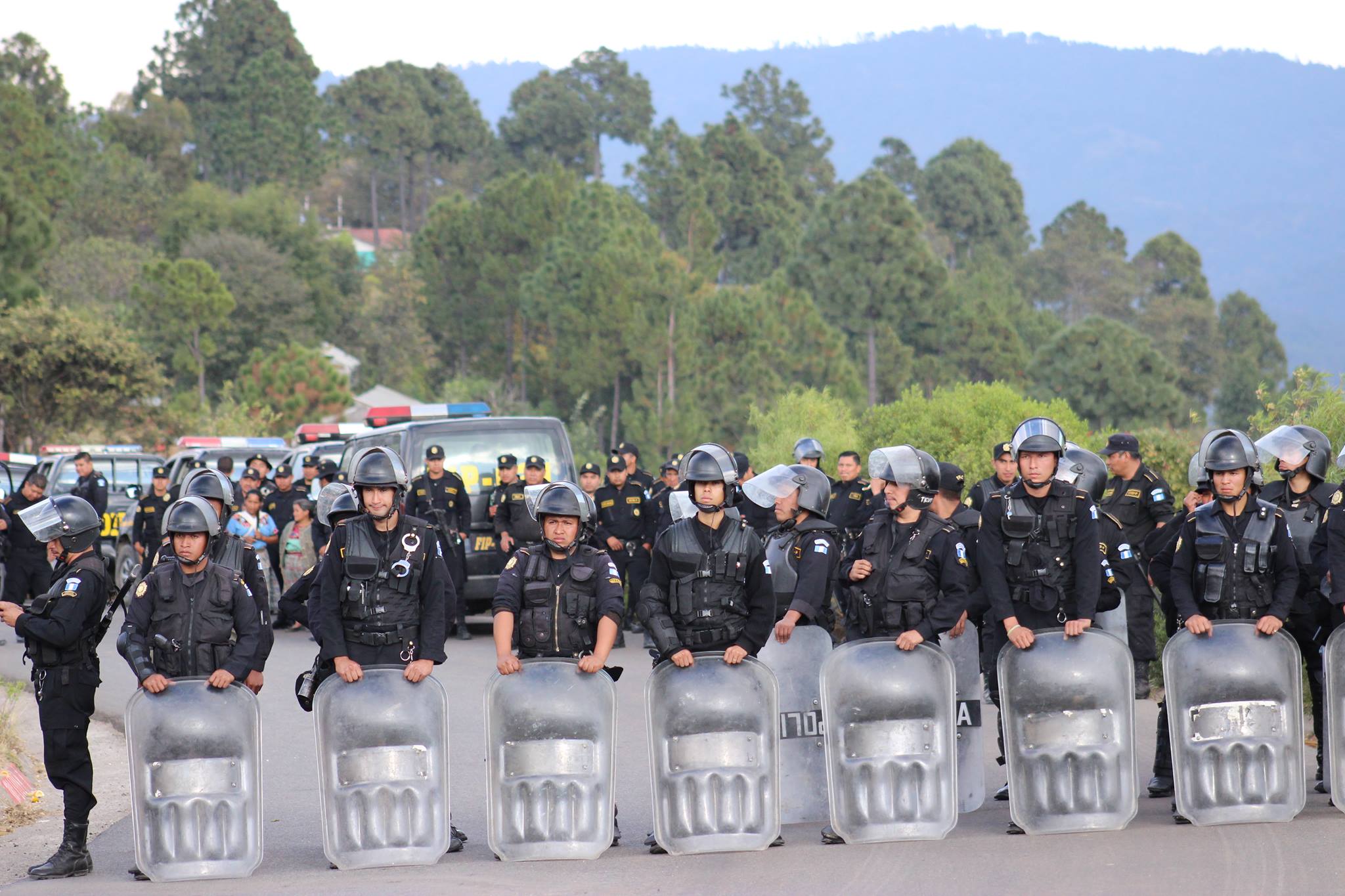
Guatemala City, Ottawa, Washington D.C. — On Tuesday, lawyers representing four Guatemalan members of the peaceful resistance to the Escobal mine announced the conclusion of the precedent-setting lawsuit against Tahoe Resources, recently acquired by Pan American Silver. The lawsuit, filed in the Supreme Court of British Columbia, accused Tahoe of negligence and battery after the company’s security forces fired on peaceful protesters outside the mine in 2013. Now, the plaintiffs, and the broader resistance movement, celebrate a victory: a Canadian parent company has taken responsibility for violence at a mining project abroad. However, communities warn of growing tensions that could lead to further aggressions against peaceful protestors.
The case against Tahoe Resources set an important precedent in Canada, establishing that Canadian courts are the preferred forum when Canadian companies commit human rights violations, except in cases where the foreign tribunal has clearly proven capable of providing justice more efficiently. The lawyers note that the conclusion of this case will not affect ongoing criminal proceedings in Guatemala against Tahoe’s former head of security, Alberto Rotondo. Rotondo escaped house arrest in 2015, and fled to his native Peru, where extradition processes are underway. Nor does it affect the ongoing court-ordered consultation process with the Xinka people.
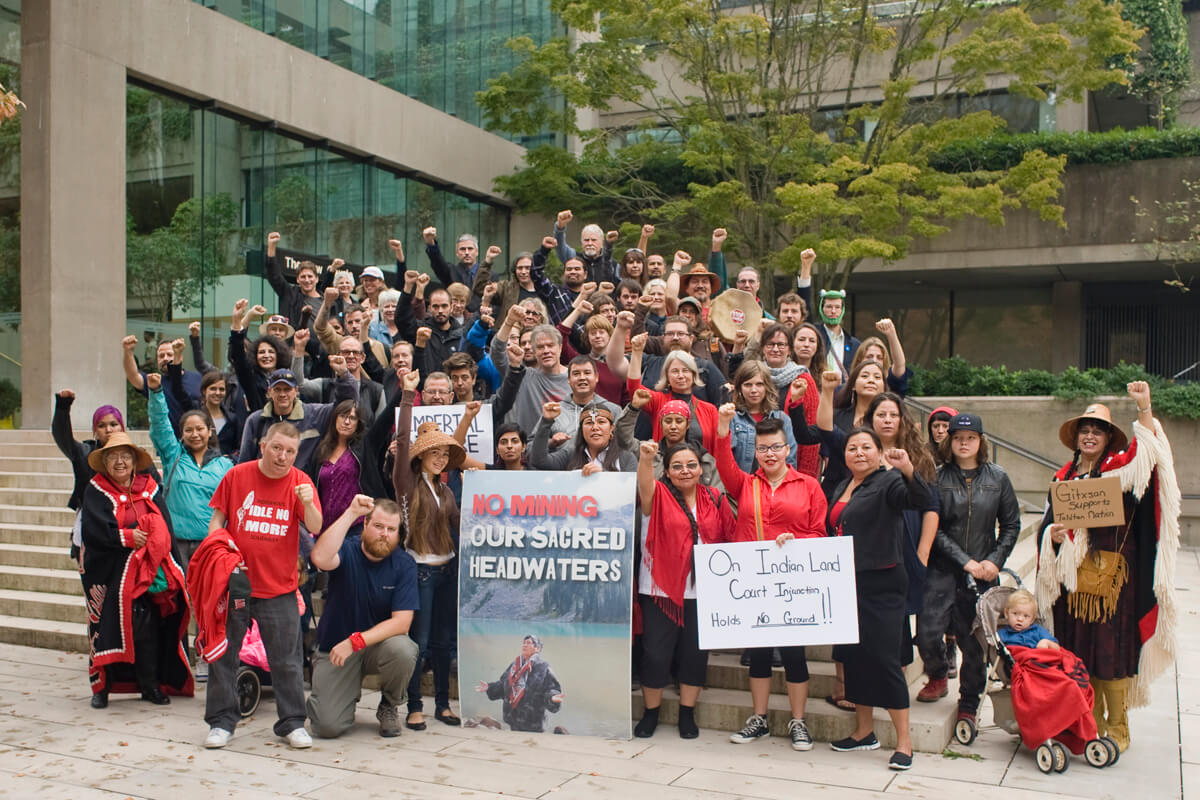
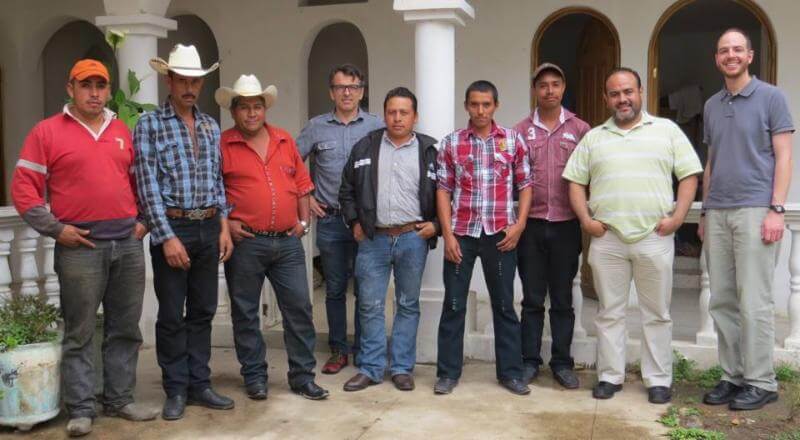
Representatives from the Xinka Parliament of Guatemala and five municipalities in the area affected by the project gathered at a press conference with the plaintiffs and their lawyers in Guatemala City on Tuesday toexpress their support for the four men involved in the case.
“Thanks to these men’s bravery, the company has taken responsibility for the violence in April 2013,” said Emy Gomez, Coordinator of the Xinka Parliament. “This is just one of numerous grave incidents that have occurred as a result of the imposition of this project on our communities. Throughout the legal process, the plaintiffs remained front and center in the resistance, despite the risks. Together with them, we will continue resisting the Escobal project that has robbed us of peace in our communities and that puts our territory, water and health at great risk.”
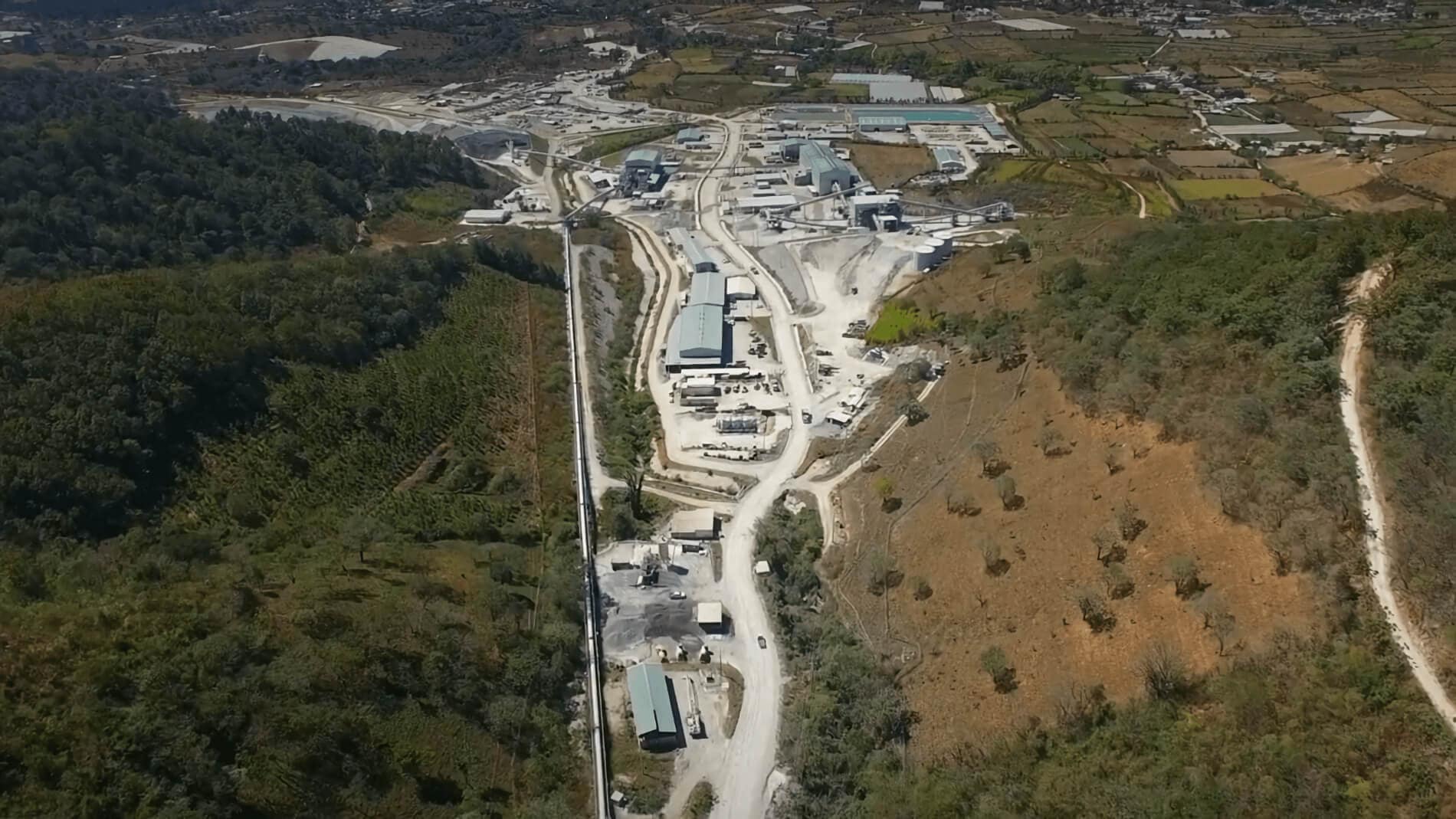
The Escobal mine has been suspended since June 2017, first as a result of the ongoing, 24-hour peaceful encampments that prevent mine-related traffic from reaching the site, as well as by the July 2017 court order mandating the Ministry of Energy and Mines to consult with Xinka people living around the mine. Since the consultation process was announced in September 2018, the Xinka Parliament with support from municipalities in the area has been denouncing irregularities and illegalities in the process. They have also been speaking out about rising tensions as a result of a new wave of defamation, intimidation and threats.
“The settlement is an important victory for the plaintiffs who brought this case at great personal risk and sacrifice, and for the tens of thousands of people who continue to peacefully oppose the Escobal silver mine,” said Lisa Rankin, coordinator for the Maritimes-Guatemala Breaking the Silence Network.“However, the conflict on the ground surrounding this project is far from over, and leaders participating in the resistance and consultation continue to face grave threats.” Since 2010, more than 100 people involved in the peaceful resistance have faced legal persecution. Days after the 2013 shooting, a month-long state of siege was imposed in the region and military outposts put in place in order to quash the local referenda and protests against the mine. More than five residents active in the resistance movement have been murdered.
Since the court ordered the consultation with Xinka Indigenous people, members of the resistance have suffered a sharp increase in threats, including acts of provocation, criminalization, and defamation by armed groups and individuals aligned with the project. Earlier this month the Inter-American Commission on Human Rights granted precautionary measures for the Xinka Parliament lawyer, Quelvin Jiménez, noting that the Escobal mine’s suspension and the consultation process have increased tension and hostility in the region, leading to death threats against Jiménez.
“The rising tensions, proliferation of threats, and acts of provocation and intimidation are making us feel like we are back in 2013,” Jiménez said. “Now as then, this is a result of this mining project being forced on our communities against our will and right to self-determination.”
“Taking responsibility for the shooting in 2013 is important, but it doesn’t address the underlying reasons why people opposed this project in the first place,” said Ellen Moore, International Mining Campaigner at Earthworks. “What would be truly commendable is if Pan American Silver would respect communities’ demands and stop trying to restart a risky project that doesn’t have social license to operate.”
Across the world right now, Indigenous peoples are facing a renewed assault on their lands, rights, and ways of life.
From extractive industries pushing deeper into ancestral territories, to governments rolling back hard-won protections,
the threat is global—and it is growing.
What makes this moment especially dangerous is how little attention it receives.
Stories like this are disappearing in real time. Mainstream media
barely covers it and the coverage is fragmented. The public is left without the context
needed to understand what is truly at stake.
That is exactly why IC Magazine exists..
For more than 20 years, IC has reported on Indigenous struggles worldwide — consistently, independently, and without compromise.
We don’t follow news cycles; we trace patterns. We don’t sensationalize; we provide context.
And when the world looks away, we stay focused.
But this work is increasingly difficult to sustain.
We refuse to lock our reporting behind a paywall. We don’t sell access through subscriptions.
And we don’t answer to advertisers. IC Magazine survives solely because readers like you choose to
support independent Indigenous journalism.
Please donate today if you can. Every contribution helps us to continue this crucial work.
Thank you,
John Ahni Schertow
Founder and Editor in Chief