
Last Updated on June 13, 2025
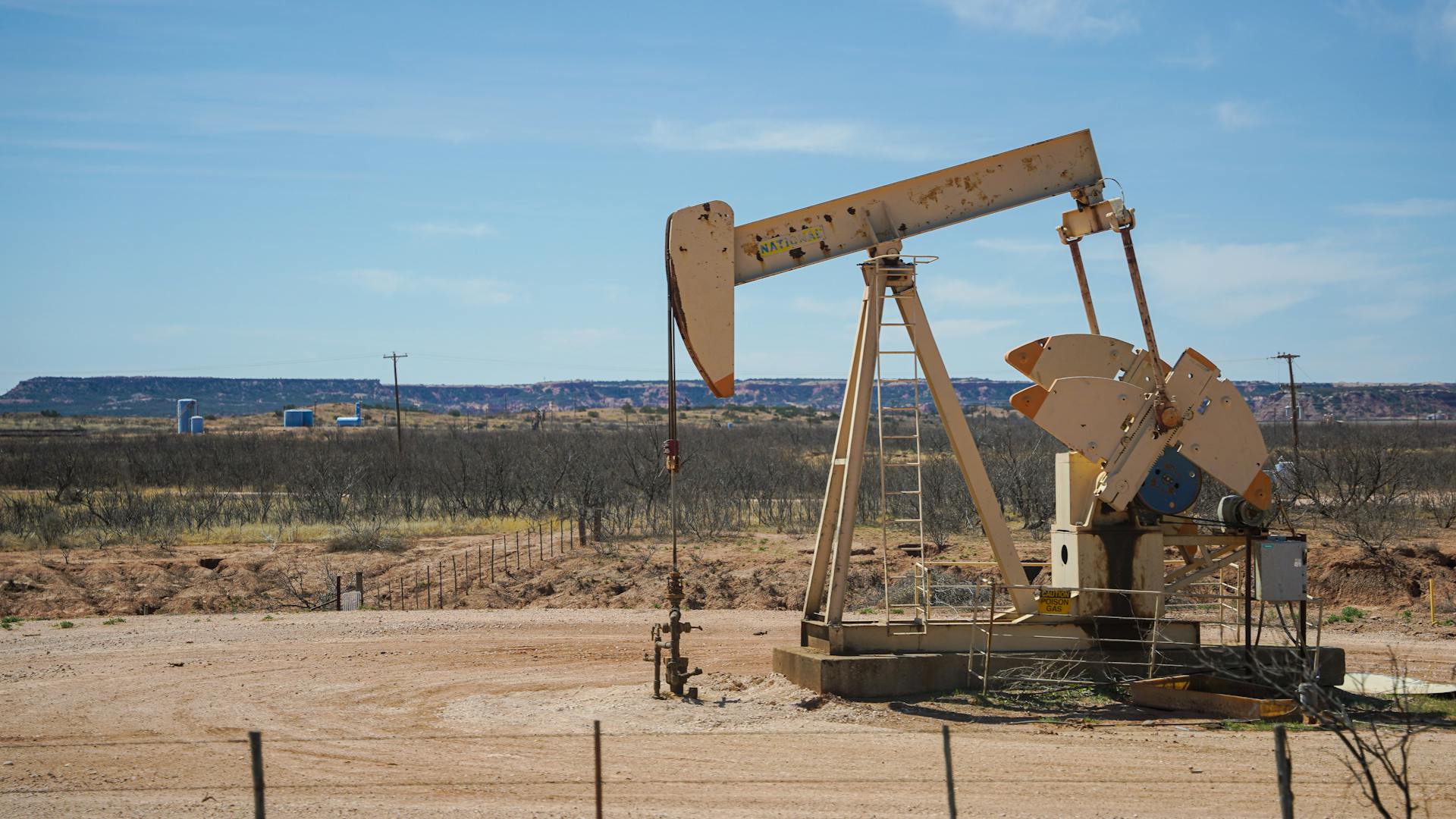
In a landmark ruling this week, Mexico’s Segundo Tribunal Colegiado en Materia Administrativa (Second Collegiate Administrative Court) has ordered a critical expert evaluation to assess the risks of fracking operations in the Totonac peoples territory, within the Papantla region of Veracruz.
The decision not only upholds the human right to a healthy environment; It also applies the precautionary principle to protect nature from irreversible damage.
A comprehensive socio-environmental study will now be carried out to document potential impacts from Pemex’s hydraulic fracturing operations in the region.
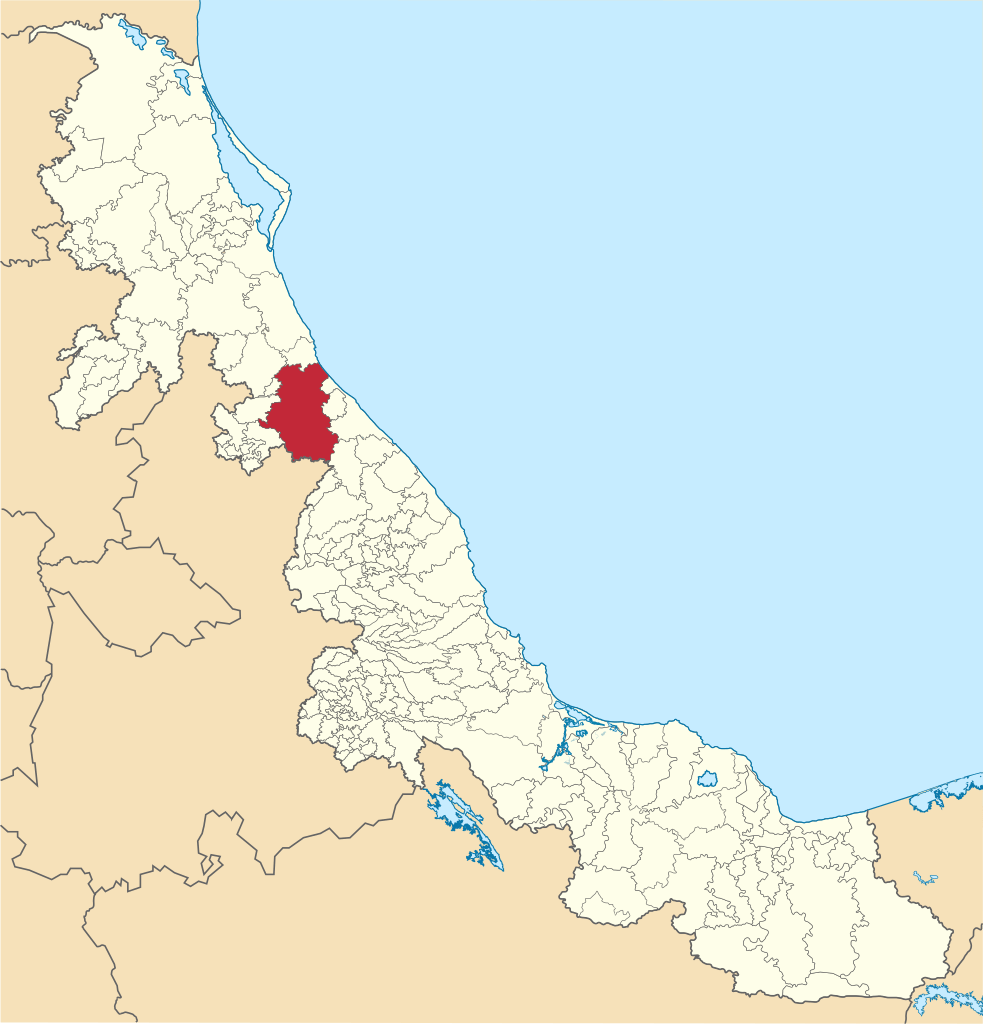
Location of Papantla in the state of Veracruz, Mexico.
Fracking has already been used in at least 1,231 Pemex oil wells in Papantla without any local consultation. This has raised serious concerns over water contamination and other public health risks that have become synonymous with fracking.
A serious hydrocarbon spill in Ojital Viejo in 2024, left unaddressed by Pemex for more than a month, has underscored these concerns.
Community leaders and environmental advocates are now calling on authorities to respect the ruling by halting fracking operations pending the thorough risk assessment.
Whether or not the operations are halted, the Court’s decision marks a pivotal moment for Totonac self-determination and environmental justice in Veracruz. By ensuring scientific scrutiny of fracking’s impacts, the court has opened a pathway toward safeguarding sacred lands, water resources, and community health.
Across the world right now, Indigenous peoples are facing a renewed assault on their lands, rights, and ways of life.
From extractive industries pushing deeper into ancestral territories, to governments rolling back hard-won protections,
the threat is global—and it is growing.
What makes this moment especially dangerous is how little attention it receives.
Stories like this are disappearing in real time. Mainstream media
barely covers it and the coverage is fragmented. The public is left without the context
needed to understand what is truly at stake.
That is exactly why IC Magazine exists..
For more than 20 years, IC has reported on Indigenous struggles worldwide — consistently, independently, and without compromise.
We don’t follow news cycles; we trace patterns. We don’t sensationalize; we provide context.
And when the world looks away, we stay focused.
But this work is increasingly difficult to sustain.
We refuse to lock our reporting behind a paywall. We don’t sell access through subscriptions.
And we don’t answer to advertisers. IC Magazine survives solely because readers like you choose to
support independent Indigenous journalism.
Please donate today if you can. Every contribution helps us to continue this crucial work.
Thank you,
John Ahni Schertow
Founder and Editor in Chief

