Last Updated on March 20, 2026
The Nicaraguan government has fast-tracked mining concessions to Chinese companies across huge swaths of indigenous and Afro-descendant territories, raising renewed legal and human rights concerns over the absence of meaningful community consultation in some of the country’s most environmentally and culturally sensitive regions.
According to an investigation published Monday by Divergentes, more than 25 mining concessions have been granted to Chinese mining firms, affecting at least 17 Indigenous and Afro-descendant territorial jurisdictions in Nicaragua’s Caribbean and northern regions.
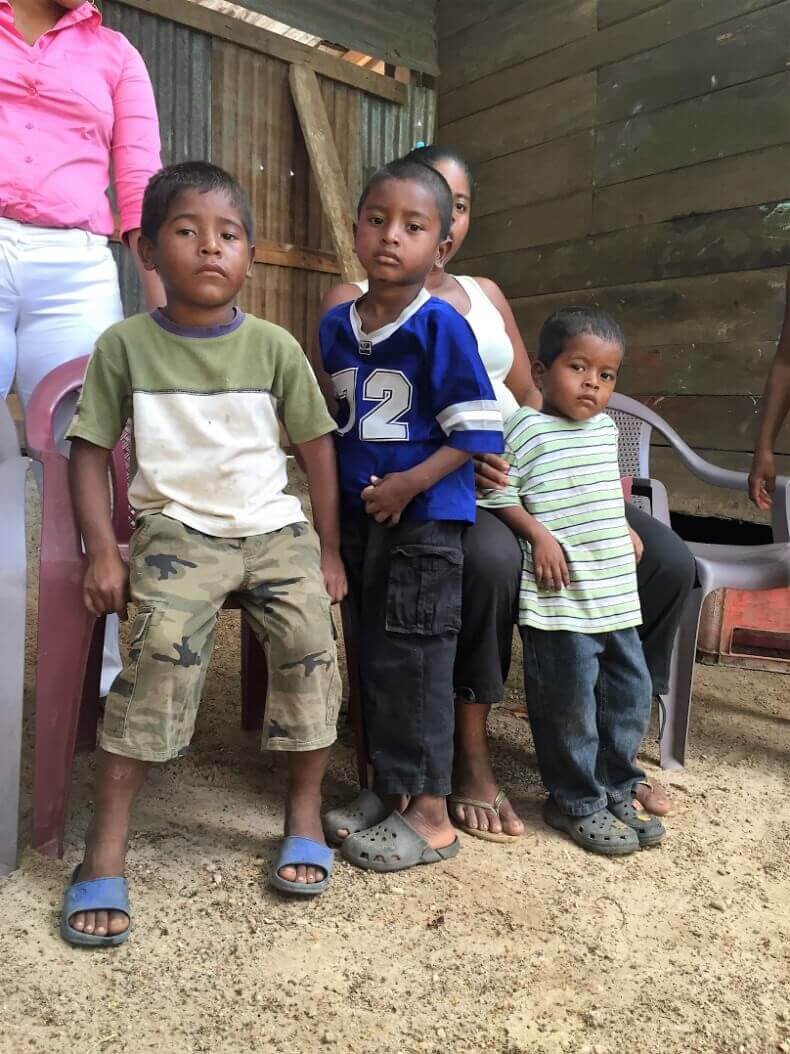
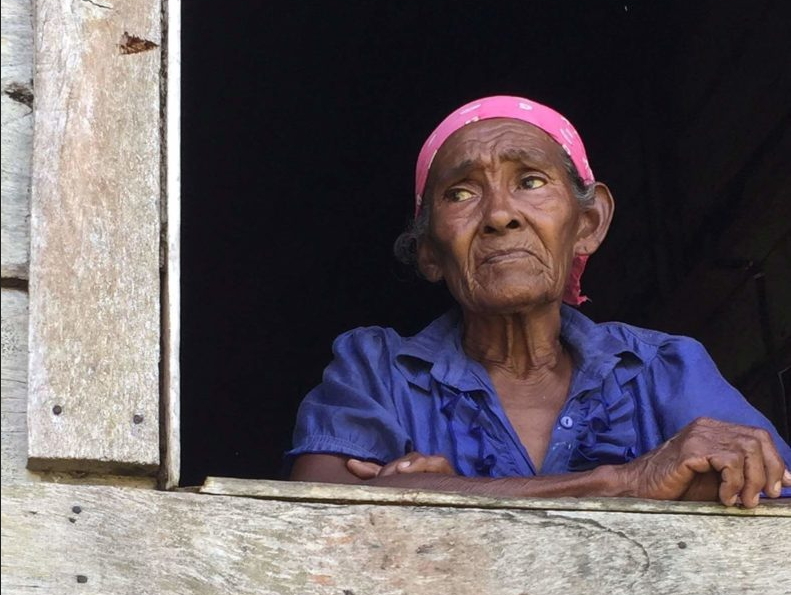
These territories are home to Miskito, Mayangna and other Indigenous peoples whose communal land rights are recognized under Nicaraguan law.
The report, citing data compiled by the environmental organization Fundación del Río, alleges that the approval of mineral rights relied on so-called “express consultations” that failed to meet a variety of national legal requirements and international standards that require Indigenous communities receive full information, sufficient time for deliberation and the genuine ability to accept or reject projects that affect their lands.
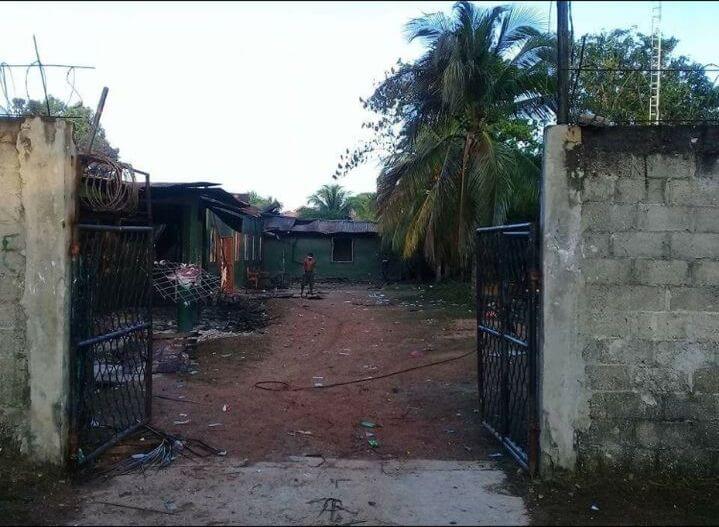
In the municipality of Rosita, residents said the impact of the concessions has already become visible on the ground. Workers linked to Santa Rita Mining Company began entering Indigenous neighborhoods earlier this year, placing stakes in the soil and fencing off areas now designated for mineral exploration.
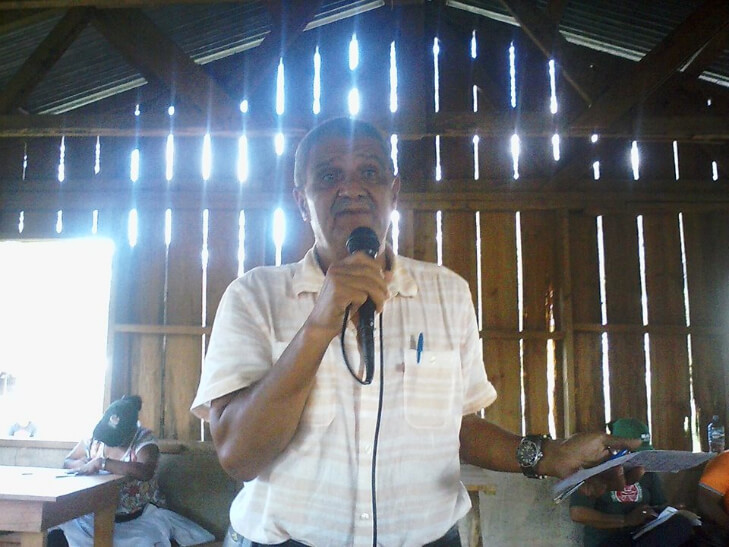
One resident, identified as Jacinto to protect his safety, said people in his Miskito community felt blindsided by the activity. He told Divergentes that employees arrived with armed policemen to discourage any citizen opposition to the “invasion.”
Official business registries and government records reviewed by Divergentes show a rapid expansion of Chinese-linked mining operations through large concession allocations. Among the most significant beneficiaries is Nicaragua XinXin Linze Minería Group S.A.. Two ministerial agreements published in Nicaragua’s official gazette in February granted the company nearly 39,946 hectares — roughly 98,700 acres — for mineral exploration and extraction over a 25-year period.
The pace and scale of these approvals reflect a broader policy shift in which mining concessions are prioritized as instruments of foreign investment, often at the expense of legal safeguards. In several cases documented by Divergentes, concessions moved from application to approval in a matter of months, a process critics say leaves little room for rigorous environmental review or meaningful community deliberation.
The speed of the approvals has raised concern that environmental safeguards and community participation requirements are being sidelined in violation of Nicaragua’s communal property law, known as Law 445, which guarantees Indigenous and Afro-descendant communities collective ownership and decision-making authority over their territories.
There also appear to be breaches of Convention 169 of the International Labour Organization, which obligates states to obtain FPIC before authorizing extractive projects on Indigenous lands — a standard Nicaragua has formally ratified.
According to Fundación del Río, the consultation processes that have taken place often fall far short of those obligations. The organization says some community assemblies failed to provide basic documentation, including verified attendance lists, signed minutes or detailed records of what information was presented.
Taken together, the fast-tracking of mining concessions amounts to a de facto invasion of communal territories and it signals a widening gap between Nicaragua’s legal commitments on paper and the realities unfolding on Indigenous land.
Across the world right now, Indigenous peoples are facing a renewed assault on their lands, rights, and ways of life.
From extractive industries pushing deeper into ancestral territories, to governments rolling back hard-won protections,
the threat is global—and it is growing.
What makes this moment especially dangerous is how little attention it receives.
Stories like this are disappearing in real time. Mainstream media
barely covers it and the coverage is fragmented. The public is left without the context
needed to understand what is truly at stake.
That is exactly why IC Magazine exists..
For more than 20 years, IC has reported on Indigenous struggles worldwide — consistently, independently, and without compromise.
We don’t follow news cycles; we trace patterns. We don’t sensationalize; we provide context.
And when the world looks away, we stay focused.
But this work is increasingly difficult to sustain.
We refuse to lock our reporting behind a paywall. We don’t sell access through subscriptions.
And we don’t answer to advertisers. IC Magazine survives solely because readers like you choose to
support independent Indigenous journalism.
Please donate today if you can. Every contribution helps us to continue this crucial work.
Thank you,
John Ahni Schertow
Founder and Editor in Chief