
Last Updated on April 24, 2026
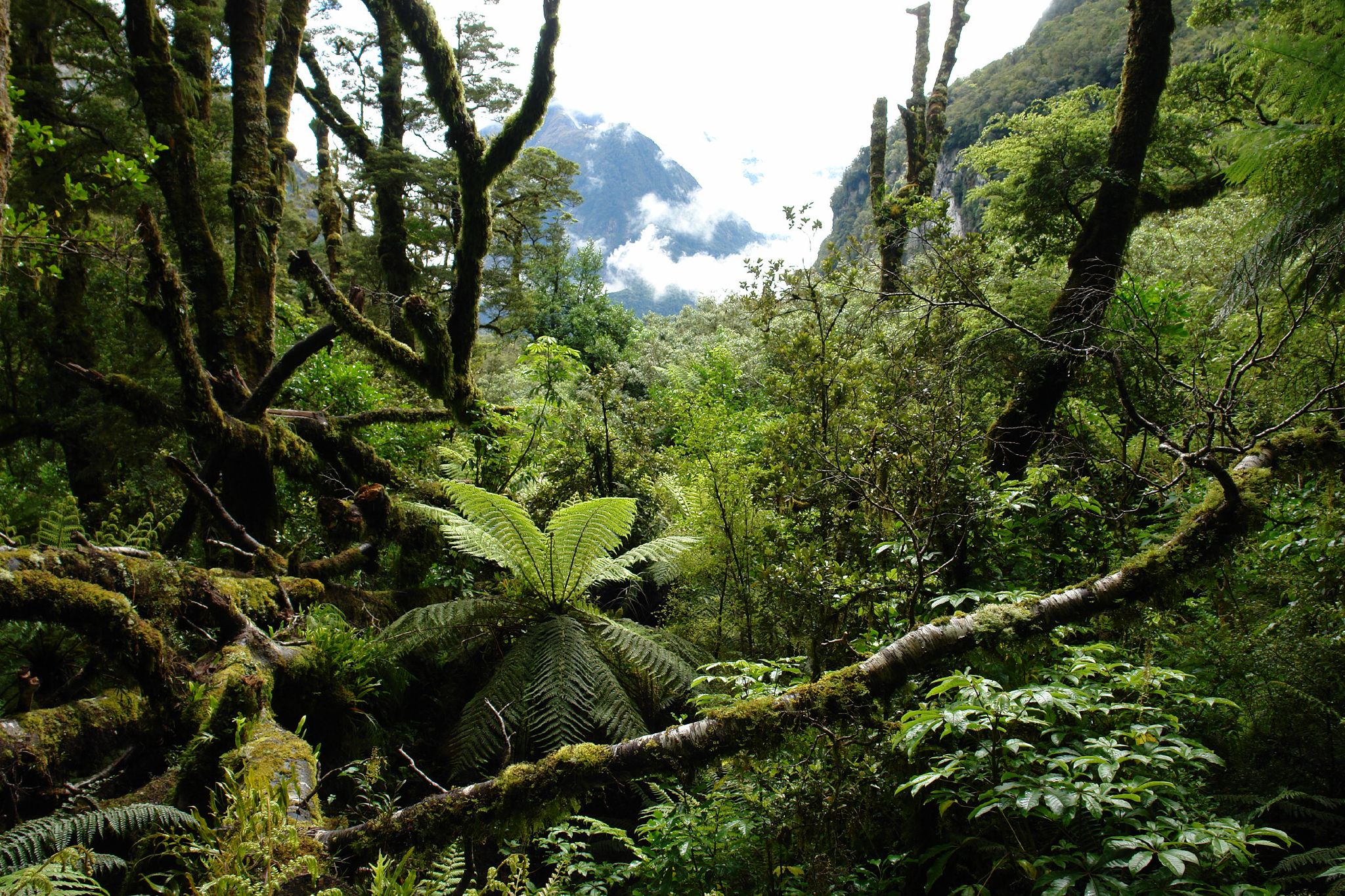
Imagine standing in a dense forest, the air hums with life, the scent of ancient trees lingers, and the chorus of birdsong weaves through the canopy above. This is the Aotearoa we often envision – wild, pristine, a land of untamed beauty. It is a place celebrated in the global imagination as “100% Pure”, a sanctuary of natural wonder. But beneath this idyllic image, there lies a deeper, more complex story.
The story of conservation in Aotearoa is not just one of protection and preservation. It is also a tale of colonization, of control over land, and the marginalization of the very people who have lived in harmony with these landscapes for generations.
Behind the veneer of environmental stewardship lies a history rooted in power, exclusion, and the systematic erosion of Māori authority over their ancestral lands. This is the story of conservation within Aotearoa.
When European settlers arrived in Aotearoa in the mid-1800s, their goals were clear: tame the land for agriculture and settlement. The lush forests, which had sustained Māori communities for centuries, were seen as obstacles to progress. By the early 20th century, more than 70% of Aotearoa’s native forests had been cleared.
For Māori, however, the forests were more than just resources – they were sacred. They were the domain of ancestors, connected to the very essence of life. Māori were kaitiaki, the guardians of the land, entrusted with its care and protection. Yet, as settlers spread across the land, Māori were systematically excluded from decisions about its future.
Institutions like acclimatization societies and self-appointed river boards emerged, their actions reflecting racist ideologies that privileged settler interests. These groups made decisions about the land and waterways without ever consulting Māori, severing the deep cultural and spiritual ties that bound tangata whenua to their environment.
This was not just an environmental catastrophe; it was an attack on Māori identity and sovereignty. As the forests fell, so did the authority of tangata whenua over their lands, their role as kaitiaki deliberately dismantled by colonial powers.
As European settlements expanded, the Crown resorted to more aggressive methods of control. Laws like the New Zealand Settlements Act of 1863, labelled Māori who resisted as ‘rebels,’ providing a legal justification for the Crown to seize and confiscate land. Over three million hectares of ancestral lands were seized under the pretext of ‘settlement’ and ‘civilization’.
Today, the legacy of these confiscations remains painfully evident. The Department of Conservation (DOC) still holds roughly 30% of Aotearoa’s land, much of it stolen from Māori. While Treaty settlement and Crown apologies have been made, the land itself has not been returned. It remains in the government’s hands, as Māori continue to be shut out of, and excluded from managing, the very spaces their ancestors once nurtured.
As Māori were pushed aside, the conservation movement in Aotearoa evolved in a strange and troubling direction. Rather than focusing on preserving native biodiversity, the Crown invested in recreational activities, introducing game species like deer and trout while allowing Aotearoa’s native ecosystems to deteriorate. The question then is: who was this conservation really for?
Global studies reveal that ecosystems thrive when managed by their original stewards-Indigenous peoples. Yet in Aotearoa the ancestral knowledge of Māori that sustained these ecosystems for centuries, was sidelined in favour of Western conservation methods. The truth is conservation in Aotearoa was never truly about caring for the land. It was about
controlling it.
Today, echoes of these colonial conservationist ideals still persist, though there are also efforts to change them. Predator Free 2050 (PF2050), a government-led initiative to eradicate invasive species (rats, stoats and possums), is framed as a national effort to protect native wildlife, particularly birds. However, it has been criticized for its lack of consultation with Māori and its failure to incorporate mātauranga Māori into its strategies. Critics argue that PF2050 continues the top-down, settler-centric approach of the past, where decisions are made without fully including Indigenous perspectives echoing the colonial practices of the past.
Another example lies in the cultural narratives that position hunters as the “best conservationists”. This settler logic often celebrates those with recreational or economic stakes in the land – hunters, farmers, private landowners – while marginalizing Māori, their knowledge and traditions. Māori have long practiced kaitiakitanga, a philosophy of balance, respect, and guardianship of the natural world. Yet the emphasis on settler practices as the ‘best’ form of conservation continues to undermine these longstanding relationships with the land.
In the face of a biodiversity crisis, there is a growing recognition that conservation must evolve. In Aotearoa, the call is clear: return to the principles of Kaitiakitanga and restore Māori to their rightful role as guardians of the land. This requires more than just token consultation. It means returning land and embracing the wisdom of mātauranga Māori, which has sustained these ecosystems for generations.
The healing of the land and the people are intertwined. Aotearoa’s future does not lie in the hands of those who seek to control the land but in the hands of those who love it as an ancestor, a living entity with its own mauri (life force).
The time has come to move from a model of domination to one of care – only then can Aotearoa begin to heal the deep wounds of its past and ensure a future where both the land and its people thrive.
Te Tira Whakamātaki is working on an approach, a call to action, that can help guide our reimagining of conservation – so stay tuned.
Maranga Ake Ai! Rise Up!
Across the world right now, Indigenous peoples are facing a renewed assault on their lands, rights, and ways of life.
From extractive industries pushing deeper into ancestral territories, to governments rolling back hard-won protections,
the threat is global—and it is growing.
What makes this moment especially dangerous is how little attention it receives.
Stories like this are disappearing in real time. Mainstream media
barely covers it and the coverage is fragmented. The public is left without the context
needed to understand what is truly at stake.
That is exactly why IC Magazine exists..
For more than 20 years, IC has reported on Indigenous struggles worldwide — consistently, independently, and without compromise.
We don’t follow news cycles; we trace patterns. We don’t sensationalize; we provide context.
And when the world looks away, we stay focused.
But this work is increasingly difficult to sustain.
We refuse to lock our reporting behind a paywall. We don’t sell access through subscriptions.
And we don’t answer to advertisers. IC Magazine survives solely because readers like you choose to
support independent Indigenous journalism.
Please donate today if you can. Every contribution helps us to continue this crucial work.
Thank you,
John Ahni Schertow
Founder and Editor in Chief