
Last Updated on May 15, 2026
An Indigenous climate advocate is warning that a proposed new oil pipeline from Alberta to Canada’s Pacific coast risks deepening environmental harm and repeating longstanding failures to properly consult Indigenous nations.
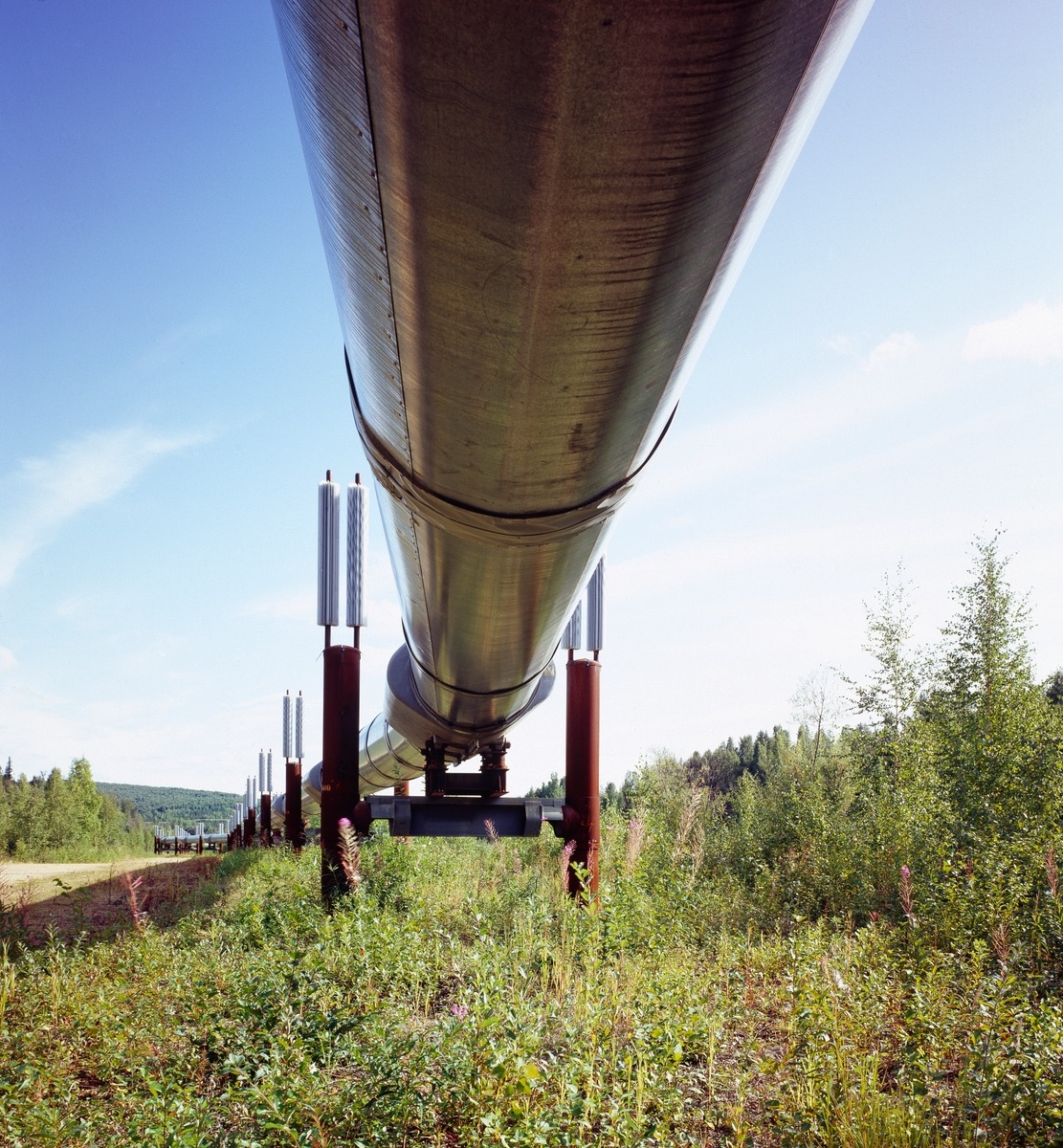
The criticism came hours after Alberta Premier Danielle Smith and Prime Minister Mark Carney announced an agreement to advance what Smith called the “West Coast pipeline,” a project intended to move more than one million barrels of oil per day.
Under the proposal, Alberta would submit a formal plan to Ottawa by July 1, with the federal government expected to determine by Oct. 1 whether the project qualifies as being in the national interest.
Leaders said the pipeline would create thousands of jobs and include opportunities for Indigenous economic participation and co-ownership.
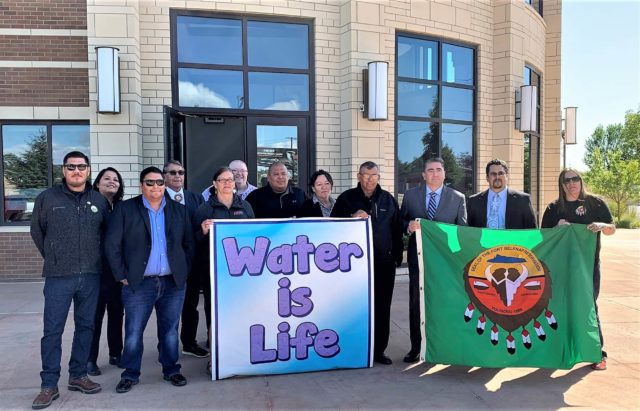
But Melanie Dene, director of programming for Indigenous Climate Action, said the project reflects what she called a continued reliance on “false solutions” that prioritize fossil fuel expansion over environmental protection and Indigenous rights.
“I believe that pipelines are not going to solve the problem,” Melanie Dene said during a televised interview following the announcement.
Dene accused Alberta of protecting fossil fuel companies while communities face worsening wildfire seasons, rising costs and growing environmental instability linked to climate change.
“Alberta protects and accommodates the resource extraction companies,” she said, arguing that carbon credit systems and carbon capture initiatives fail to meaningfully reduce emissions.
The proposed pipeline would transport Alberta crude to the Pacific coast for export to Asian markets. Smith said construction could begin by Sept. 1, 2027, if approvals proceed on schedule.
Federal officials emphasized that any project would include consultation obligations with Indigenous nations. Carney said the government would build “Cooperation by ensuring that Indigenous economic benefits, partnership, and opportunities for co-ownership.”
Dene, however, questioned whether governments have demonstrated a genuine commitment to consultation.
She pointed to a recent court ruling that sided with First Nations challenging Alberta’s handling of a separatist referendum petition, arguing the province has already failed to uphold its constitutional duty to consult Indigenous peoples on major political decisions.
Her concerns come amid growing legal challenges from northern Alberta First Nations over the cumulative impacts of oilsands development and tailings contamination. Earlier this week, Mikisew Cree First Nation launched a lawsuit against the Alberta and federal governments, alleging decades of industrial activity in the oilsands region have harmed the health of community members and damaged their traditional territory.
“For Alberta to continue to push for this carbon capture pipeline, but also this other oil pipeline that they want to expand into B.C., I think it’s just another failed attempt,” Dene said.
Dene called for stronger environmental oversight, tougher regulations and higher taxes on large oil companies. She also said governments must implement “effective compliance measures” for industry operations.
“I have witnessed in probably the last 20 years that these oil and gas operators have been given a free pass to operate,” she said, criticizing industry self-monitoring practices in Alberta.
She warned that Indigenous communities downstream from oil sands development continue to bear the heaviest environmental burdens, including threats to watersheds and public health.
Dene, a member of Mikisew Cree First Nation from Fort Chipewyan, referenced ongoing concerns over proposals to release treated oil sands tailings into the Athabasca River watershed.
The First Nation has previously opposed provincial proposals to allow the release of treated tailings water, warning the move could threaten downstream ecosystems and community health.
“These are all false solutions,” she said, adding that promises of Indigenous support and consultation often amount to “lip service.”
The pipeline proposal is likely to intensify divisions among Indigenous nations, some of which have supported resource development projects tied to revenue-sharing and ownership agreements, while others remain firmly opposed because of environmental and sovereignty concerns.
Dene said meaningful Indigenous “buy-in” for another major oil pipeline may prove difficult as communities continue to confront the cumulative impacts of extraction projects across western Canada.
“I feel that both Canada and Alberta have a responsibility to ensure that there’s protection measures in place to protect the environment, but also to protect the waters,” she said. “Most importantly, to protect human health.”
Across the world right now, Indigenous peoples are facing a renewed assault on their lands, rights, and ways of life.
From extractive industries pushing deeper into ancestral territories, to governments rolling back hard-won protections,
the threat is global—and it is growing.
What makes this moment especially dangerous is how little attention it receives.
Stories like this are disappearing in real time. Mainstream media
barely covers it and the coverage is fragmented. The public is left without the context
needed to understand what is truly at stake.
That is exactly why IC Magazine exists..
For more than 20 years, IC has reported on Indigenous struggles worldwide — consistently, independently, and without compromise.
We don’t follow news cycles; we trace patterns. We don’t sensationalize; we provide context.
And when the world looks away, we stay focused.
But this work is increasingly difficult to sustain.
We refuse to lock our reporting behind a paywall. We don’t sell access through subscriptions.
And we don’t answer to advertisers. IC Magazine survives solely because readers like you choose to
support independent Indigenous journalism.
Please donate today if you can. Every contribution helps us to continue this crucial work.
Thank you,
John Ahni Schertow
Founder and Editor in Chief