
Last Updated on June 3, 2026
Indigenous organizations in Chile are sounding an alarm over President José Antonio Kast’s proposed overhaul of the country’s Indigenous Law, warning that the changes could weaken collective land protections and accelerate the privatization of Indigenous territories.
The proposal targets Law 19.253, Chile’s Indigenous Law, enacted in 1993 following the country’s return to democracy. The legislation formally recognizes Indigenous peoples, established the National Corporation for Indigenous Development (CONADI), and created legal mechanisms to protect Indigenous lands from sale, seizure and fragmentation.
According to government statements, the reform would grant Indigenous landowners greater freedom to lease, mortgage and transfer Indigenous lands. This would, in turn, increase economic opportunities, improve access to credit and allow Indigenous communities to make ‘fuller use’ of their property.
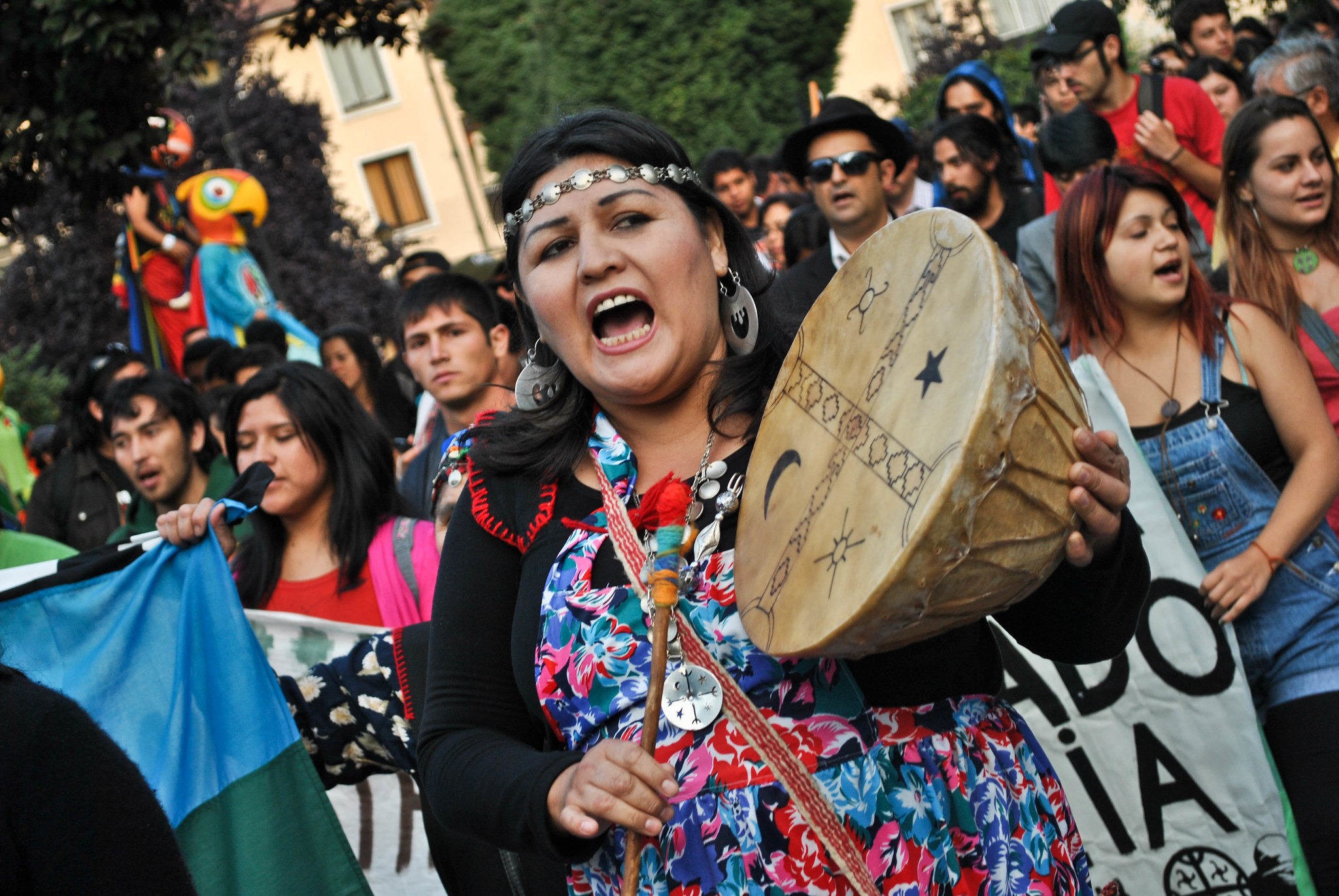
But Indigenous leaders, particularly from the Mapuche nation, say the proposal threatens one of the few legal safeguards protecting Indigenous territories from market pressures and outside acquisition.
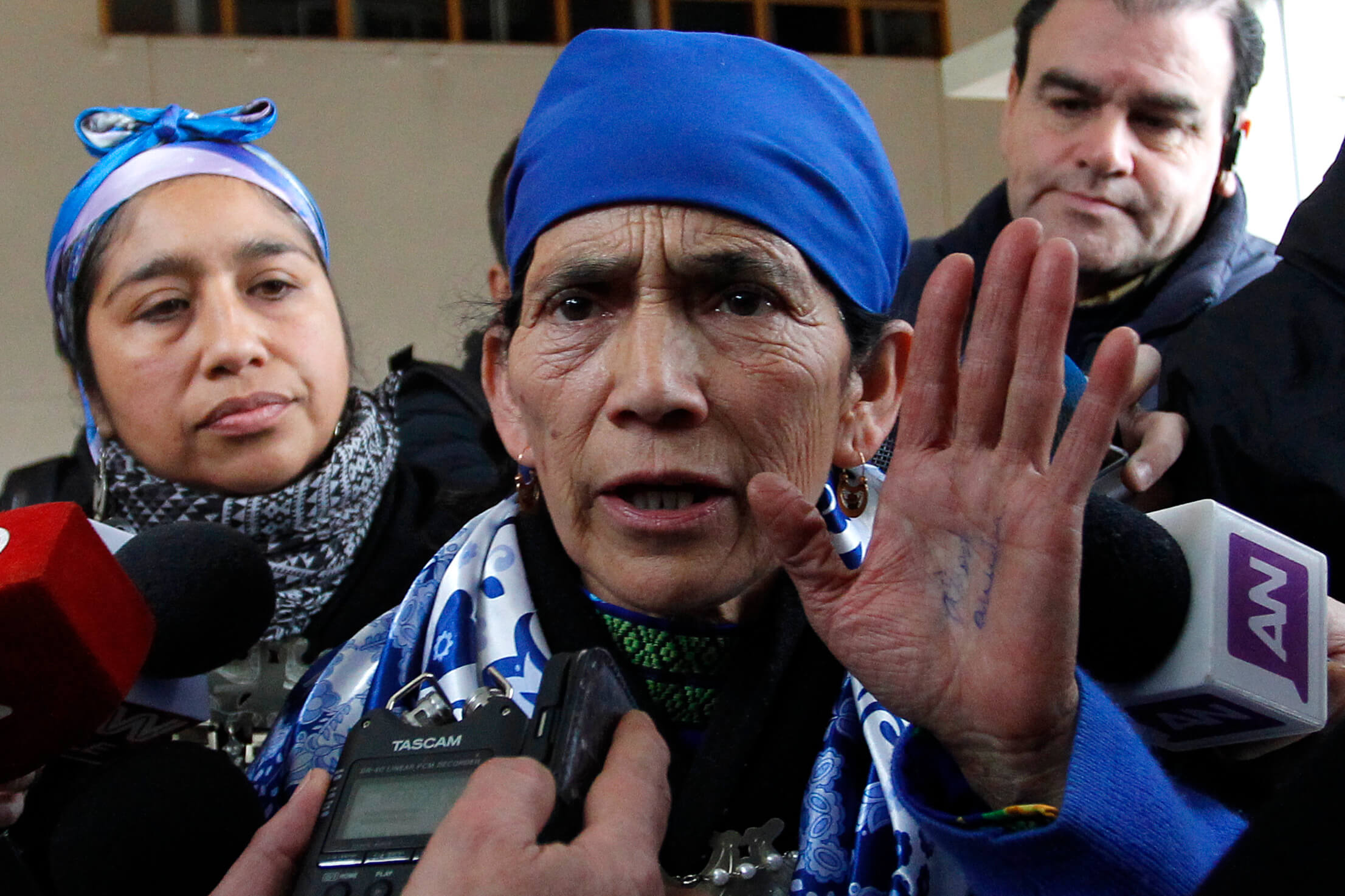
The Indigenous community of Temucuicui, one of the best-known Mapuche communities in southern Chile, issued a strongly worded statement condemning the proposal. Community leaders characterized the reform as an attack on Indigenous rights and warned it could undermine decades of efforts to recover lands lost during Chile’s military dictatorship and earlier periods of state expansion.
“[The proposal] seeks to achieve a long-desired goal of the oligarchy and transnational corporations, which for years have pursued the opening of Mapuche lands to the market through their sale, encumbrance, and leasing,” said the community.
Law 19.253 emerged from negotiations between Indigenous organizations and the democratic government that replaced Gen. Augusto Pinochet’s dictatorship. The law created protections that limit the sale and transfer of Indigenous lands and established state mechanisms to facilitate land purchases and restitution for Indigenous communities.
Critics of the reform argue that loosening those restrictions could recreate patterns of dispossession that have historically reduced Indigenous control over territory.
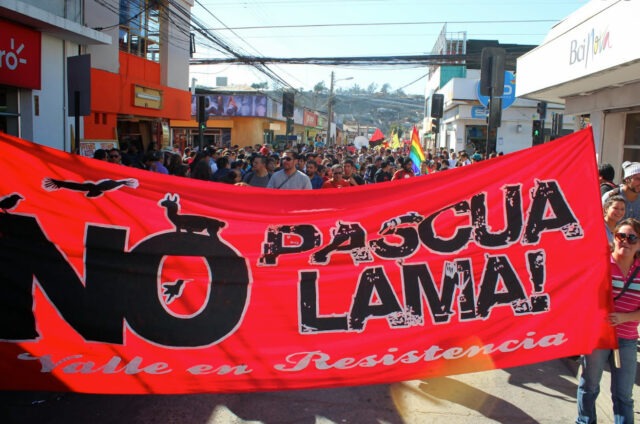
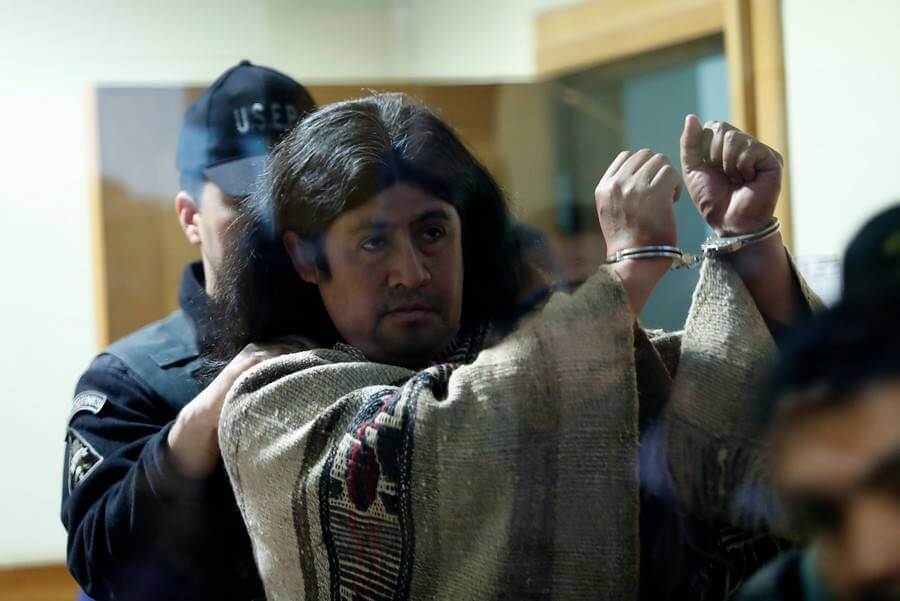
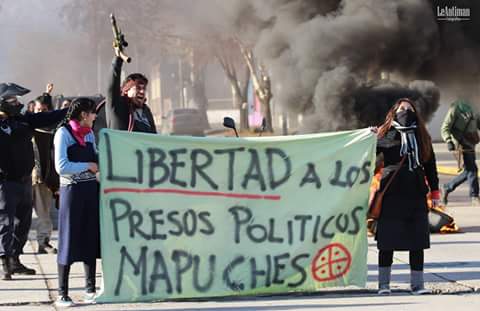
The controversy follows years of escalating tensions between the Chilean state and Mapuche communities. Governments across the political spectrum have struggled to address longstanding territorial disputes while responding to arson attacks, land occupations and confrontations involving security forces in southern Chile.
Kast, a conservative president who took office in March, campaigned on restoring public security and increasing state control in the Araucanía region. During previous presidential campaigns, he criticized Chile’s land restitution system and called for changes to policies that facilitate the return of ancestral territories to Indigenous communities.
Human rights organizations and Indigenous advocates have expressed concern that the proposed reform is part of a broader effort to roll back Indigenous protections. Some groups have also pointed to previous statements by Kast and his allies calling for major changes to CONADI and other Indigenous institutions.
“Kast is declaring war on the Mapuche people,” says Temucuicui community. “He knows that territories such as Temucuicui, which have fought for decades for the rights of our people, will oppose and fight to prevent this new genocide that seeks forced assimilation and aims to continue condemning our people to cheap labor, to life in the outskirts of major cities, and to endure exploitation, poverty, and discrimination.”
“We call on all Mapuche people to remember the hunger our ancestors suffered during the military dictatorship, the dispossession and family conflicts generated by the division of our lands, and how many Mapuche exchanged their spaces, their lands, and their dignity for a few pesos,” Temucuicui continues.
“We must recognize that we possess acquired collective rights, including the right to self-determination, and therefore we must not take a single step backward.”
Across the world right now, Indigenous peoples are facing a renewed assault on their lands, rights, and ways of life.
From extractive industries pushing deeper into ancestral territories, to governments rolling back hard-won protections,
the threat is global—and it is growing.
What makes this moment especially dangerous is how little attention it receives.
Stories like this are disappearing in real time. Mainstream media
barely covers it and the coverage is fragmented. The public is left without the context
needed to understand what is truly at stake.
That is exactly why IC Magazine exists..
For more than 20 years, IC has reported on Indigenous struggles worldwide — consistently, independently, and without compromise.
We don’t follow news cycles; we trace patterns. We don’t sensationalize; we provide context.
And when the world looks away, we stay focused.
But this work is increasingly difficult to sustain.
We refuse to lock our reporting behind a paywall. We don’t sell access through subscriptions.
And we don’t answer to advertisers. IC Magazine survives solely because readers like you choose to
support independent Indigenous journalism.
Please donate today if you can. Every contribution helps us to continue this crucial work.
Thank you,
John Ahni Schertow
Founder and Editor in Chief