
Last Updated on September 23, 2026
Indigenous communities in Argentina are facing a new wave of evictions from lands they consider to be ancestral territory, following a series of moves from President Javier Milei’s government to strengthen private property rights.
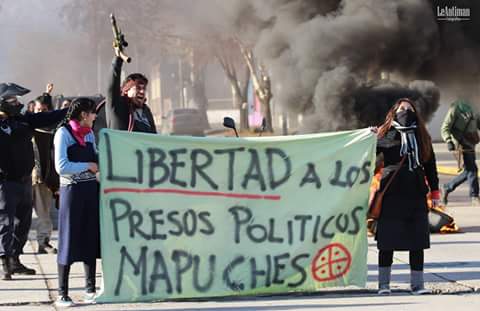
In recent weeks, police have carried out or attempted evictions involving Mapuche, Quechua and Mbya Guaraní communities in the provinces of Neuquén, Jujuy and Misiones, according to the Spanish news agency EFE.
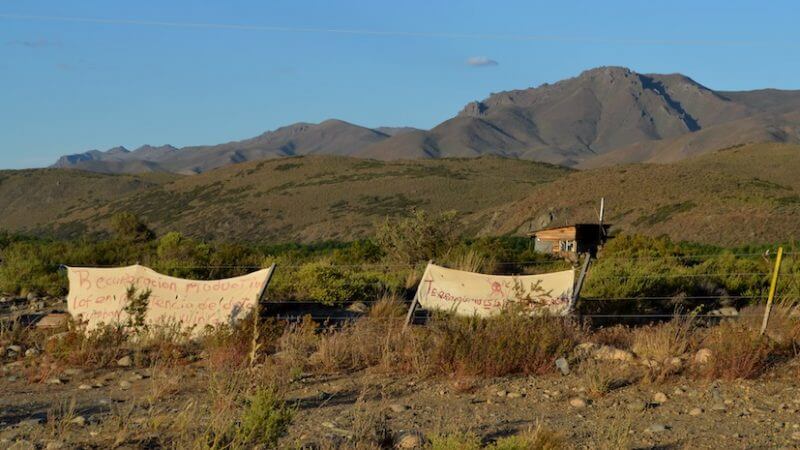
While the disputes differ in their details, they involve a common issue: Indigenous communities claim ancestral rights to lands which are also covered by private property deeds recognized by provincial courts.
The tense situation follows the government’s decision to terminate the indigenous territorial emergency in late December 2024. Established under Law 26.160, the state of emergency had prohibited evictions from historically inhabited lands of Indigenous peoples until the survey of Indigenous territories was completed.
The government stated that the state of emergency had been in force for more than 18 years and had created legal uncertainties and unsolved disputes.
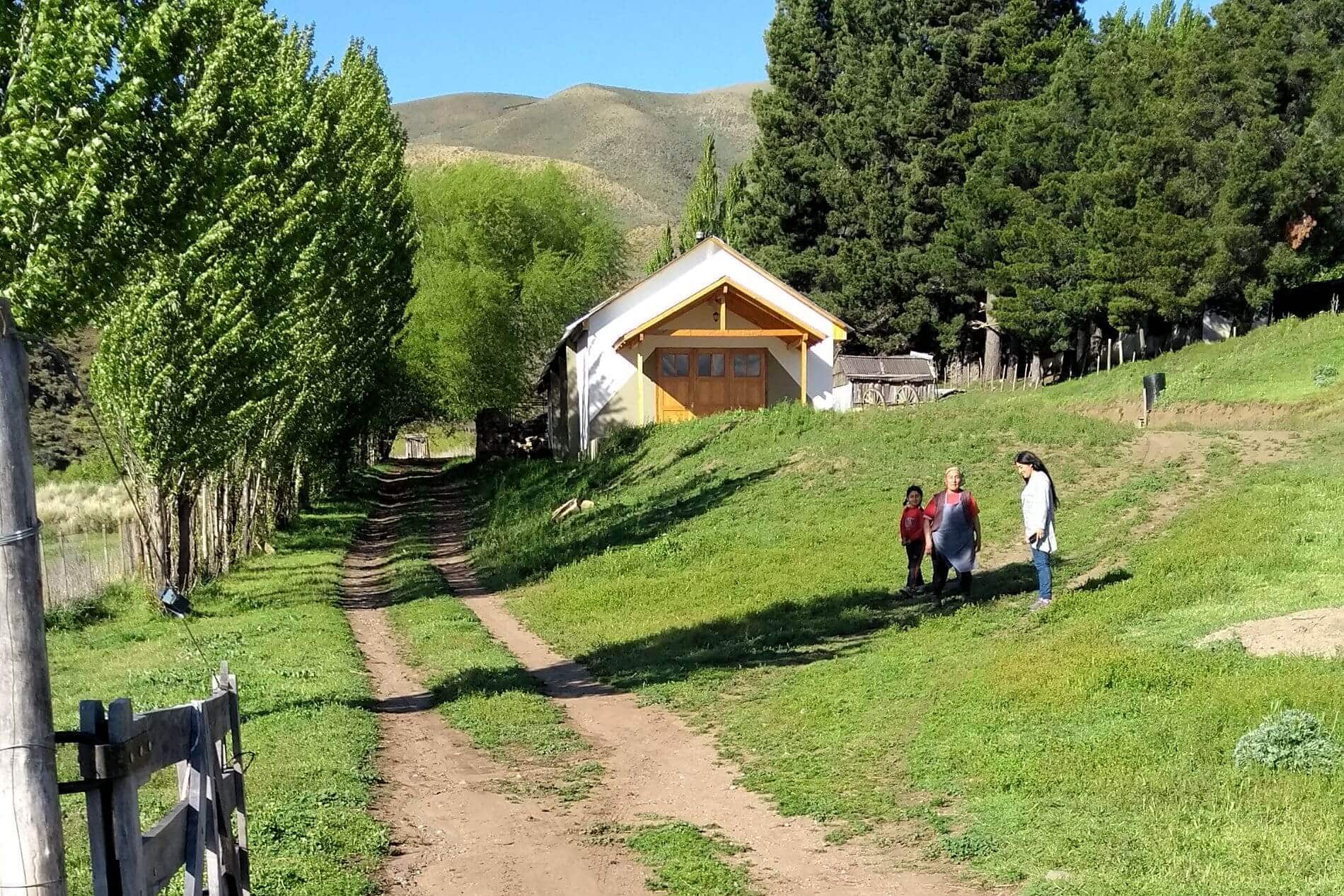
One of the most recent cases took place Aug. 19 in Neuquén province, when the police acted against the Mapuche Kinxikew and Melo communities.
According to CELS, an Argentine human rights organization, the state recognized the traditional occupation of the disputed territory by the Kinxikew community but did not provide collective title to the lands.
The community says its relationship with the territory predates the establishment of nearby towns and includes ancestral and sacred sites.
In Jujuy province, the police evicted the families of the Santa Rosa Indigenous community in Humahuaca on Aug. 10. According to EFE, more than 100 armed police officers were involved in the action.
In Misiones, the police evicted families from the Mbya Guaraní Puente Quemado II community on July 28 on the request of a private land owner. A court reversed the eviction and allowed the families to return.
The conflicts are unfolding as Congress considers legislation that would make it easier to remove people from lands in certain cases.
The draft Law on the Inviolability of Private Property has been adopted by the Senate and awaits deliberation by the Chamber of Deputies. The supporters of the bill claim that it will facilitate the access to the courts of the property owners and reduce lengthy disputes.
However, human rights organizations like CELS warn that fast-track eviction procedures may pose additional danger for Indigenous communities whose land claims have not been solved.
CELS states that communal property of Indigenous peoples is protected by the Constitution and international law and that the state should solve the territorial disputes before conducting any evictions.
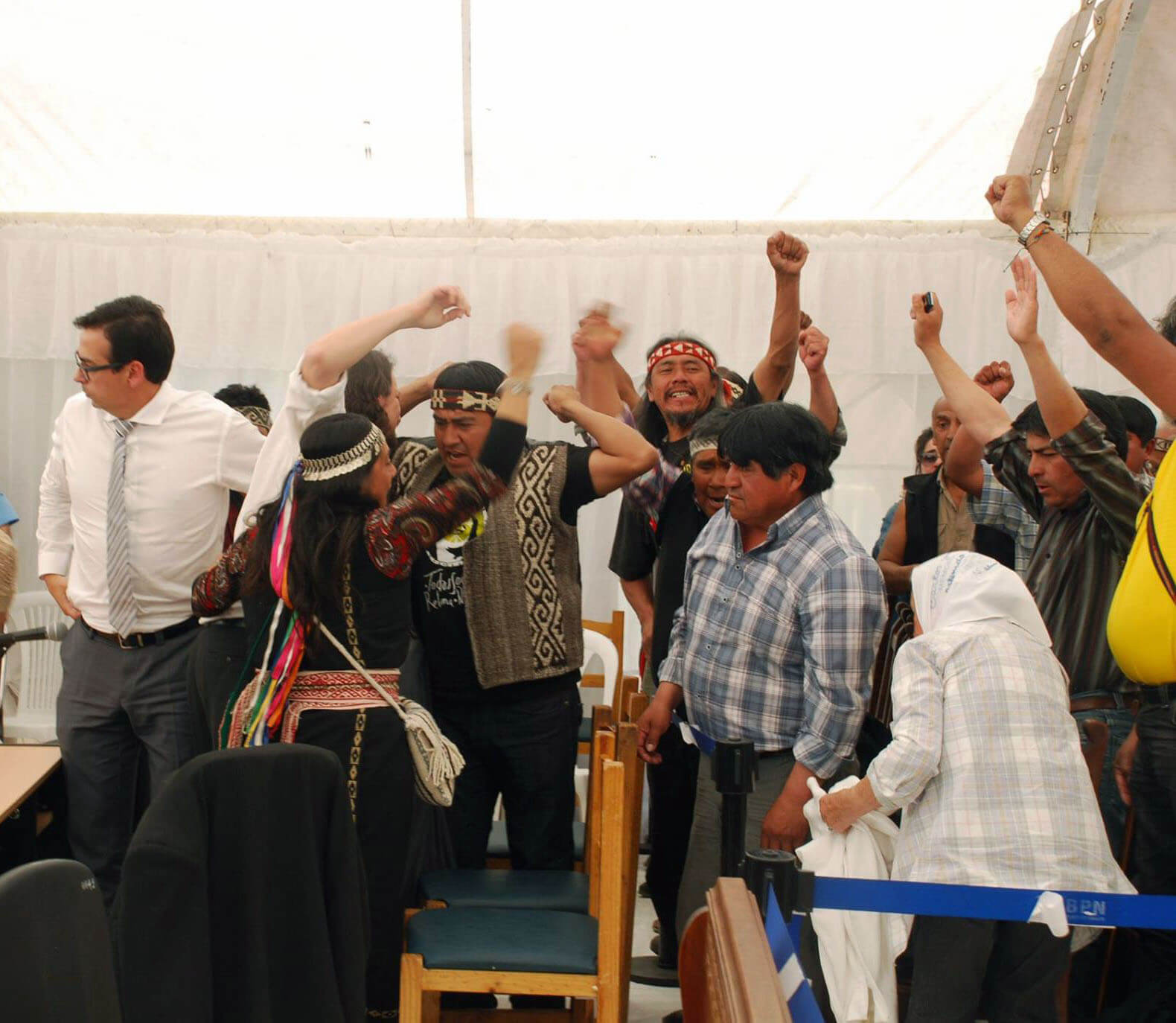
For Indigenous communities, the disputes are about more than competing property claims. They concern territories tied to history, culture, community life and, in many cases, generations of occupation.
Across the world right now, Indigenous peoples are facing a renewed assault on their lands, rights, and ways of life.
From extractive industries pushing deeper into ancestral territories, to governments rolling back hard-won protections,
the threat is global—and it is growing.
What makes this moment especially dangerous is how little attention it receives.
Stories like this are disappearing in real time. Mainstream media
barely covers it and the coverage is fragmented. The public is left without the context
needed to understand what is truly at stake.
That is exactly why IC Magazine exists..
For more than 20 years, IC has reported on Indigenous struggles worldwide — consistently, independently, and without compromise.
We don’t follow news cycles; we trace patterns. We don’t sensationalize; we provide context.
And when the world looks away, we stay focused.
But this work is increasingly difficult to sustain.
We refuse to lock our reporting behind a paywall. We don’t sell access through subscriptions.
And we don’t answer to advertisers. IC Magazine survives solely because readers like you choose to
support independent Indigenous journalism.
Please donate today if you can. Every contribution helps us to continue this crucial work.
Thank you,
John Ahni Schertow
Founder and Editor in Chief