Last Updated on October 10, 2015
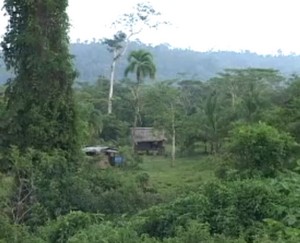
In 2002, indigenous rights attorney Maria Acosta positioned herself at the forefront of a controversial land rights case that brought the pristine lands of Nicaragua’s Atlantic Coast to an international spotlight.
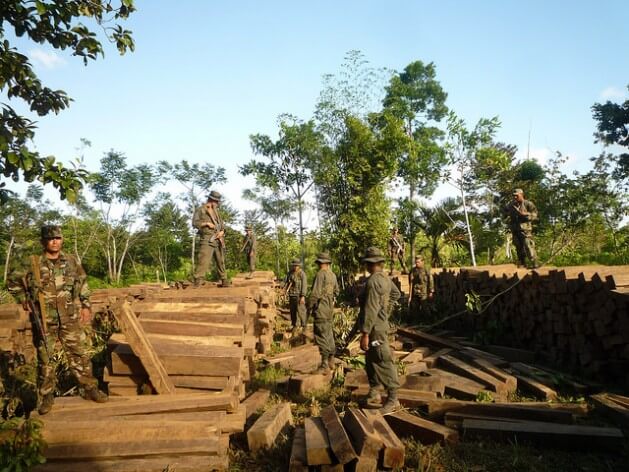
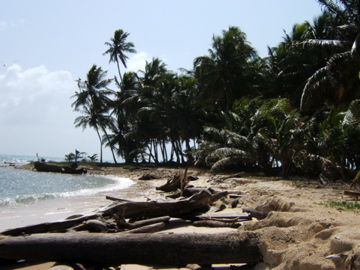
Local indigenous communities learned that the island region, which has been part of their culture for generations, was being sold to private owners directly over the Internet. Forced off their traditional lands, Maria was their hope for justice.
But that hope soon became a profound personal tragedy. On April 8, 2002, Maria arrived at her home in Bluefields to find her husband had been brutally murdered.
Then, as the investigation began, the tragedy turned into fear: While being interviewed by journalists Maria concluded, “I think somebody was sent to kill ME.”
Soon after there was silence. The media dropped the story, indigenous leaders retreated, locals stopped talking, and Maria pulled away from the case.
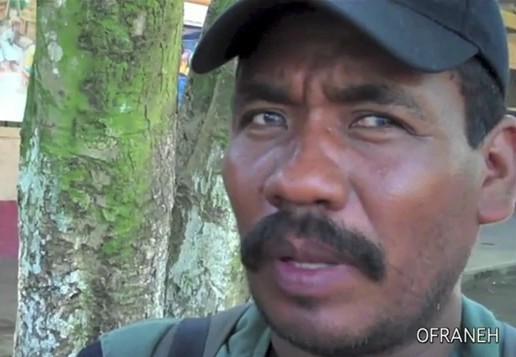
Now, Maria breaks the silence about what really happened in Bluefields and the events that set the stage for the murder of her husband.
The disputed lands continue to be sold online by Peter Tsokos, www.tropical-islands.com
Across the world right now, Indigenous peoples are facing a renewed assault on their lands, rights, and ways of life.
From extractive industries pushing deeper into ancestral territories, to governments rolling back hard-won protections,
the threat is global—and it is growing.
What makes this moment especially dangerous is how little attention it receives.
Stories like this are disappearing in real time. Mainstream media
barely covers it and the coverage is fragmented. The public is left without the context
needed to understand what is truly at stake.
That is exactly why IC Magazine exists..
For more than 20 years, IC has reported on Indigenous struggles worldwide — consistently, independently, and without compromise.
We don’t follow news cycles; we trace patterns. We don’t sensationalize; we provide context.
And when the world looks away, we stay focused.
But this work is increasingly difficult to sustain.
We refuse to lock our reporting behind a paywall. We don’t sell access through subscriptions.
And we don’t answer to advertisers. IC Magazine survives solely because readers like you choose to
support independent Indigenous journalism.
Please donate today if you can. Every contribution helps us to continue this crucial work.
Thank you,
John Ahni Schertow
Founder and Editor in Chief