Last Updated on October 10, 2015
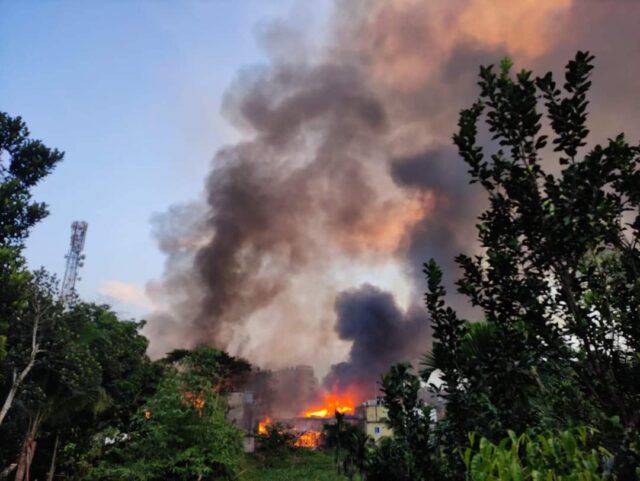
An eerie calm has returned to the Chittagong Hill Tracts of Bangladesh, where, just two weeks ago , the military opened fire on the Indigenous Jumma People, killing 6 and injuring more than two dozen men, women and children.
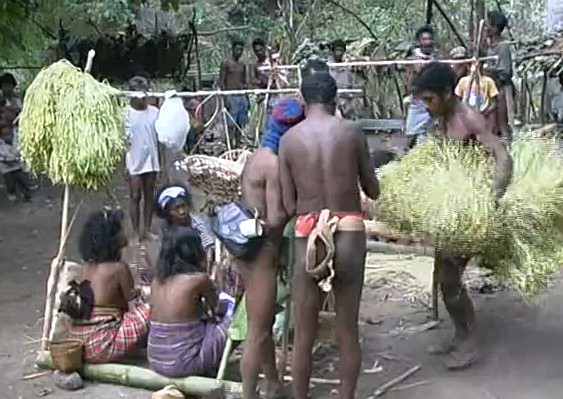
Sadly, painfully, it is not the first time the peaceful Jumma were put through such wretched violence, as we are reminded by this powerful clip from the documentary film, “Terrified voices.”
Thousands of Jummas have been murdered, raped, arrested, crippled and arrested ever since Bangladesh emerged as a Nation state on December 16, 1971. Tens of thousands more have been displaced.
But even so, the Jumma have hope that one day peace will thrive on their land once again. Hope that they will be able to live without the constant fear of being raped or killed at any moment. Hope that they will be treated not as terrorists or diseased animals, but as human beings. Maybe even allies.
If only the government would respect the 1997 Chittagong Hill Tracts Peace Accord.
Please sign this petition urging Bangladesh Prime Minister Sheikh Hasina to bring Peace to the CHT http://cht-global-voices.com
To learn more about the Jumma, please visit www.jummapeoplenet.blogspot.com. For direct support, contact www.pcjss-cht.org
Across the world right now, Indigenous peoples are facing a renewed assault on their lands, rights, and ways of life.
From extractive industries pushing deeper into ancestral territories, to governments rolling back hard-won protections,
the threat is global—and it is growing.
What makes this moment especially dangerous is how little attention it receives.
Stories like this are disappearing in real time. Mainstream media
barely covers it and the coverage is fragmented. The public is left without the context
needed to understand what is truly at stake.
That is exactly why IC Magazine exists..
For more than 20 years, IC has reported on Indigenous struggles worldwide — consistently, independently, and without compromise.
We don’t follow news cycles; we trace patterns. We don’t sensationalize; we provide context.
And when the world looks away, we stay focused.
But this work is increasingly difficult to sustain.
We refuse to lock our reporting behind a paywall. We don’t sell access through subscriptions.
And we don’t answer to advertisers. IC Magazine survives solely because readers like you choose to
support independent Indigenous journalism.
Please donate today if you can. Every contribution helps us to continue this crucial work.
Thank you,
John Ahni Schertow
Founder and Editor in Chief