Last Updated on April 7, 2025
In the Komi Republic, there is a ‘sustainable forest management model’ being developed, for use across Russia.
The project is headed by ‘Silver Taiga’, a non-profit group founded by the Swiss Agency for Development Cooperation (SDC), the WWF, regional authorities, and Mondi, a South Africa-based pulp and paper company.
A recent report by Smartwood, an FSC-accredited certifier has raised some uncomfortable questions regarding the new forest management model, in addition to concerns regarding WWF’s relationship with Mondi. FSC Watch Reports.
According to WWF, the Komi forest is “huge, the largest area of primeval forest in Europe, covering around 33,000 square kilometres…It became Russia’s first World Heritage Site in 1995, saving it from massive felling for timber.” In 2002, WWF’s existing work in Komi’s Priluzje district with the state forest management unit, Priluzje Leskhoz, was transformed into the ‘Komi Model Forest Project’. The purpose of the project (also sometimes known as the ‘Priluzje Model Forest’) is to develop a ‘sustainable forest management model’ in the Priluzje Leskhoz, which covers nearly 800,000 hectares…
The first FSC inspection of Priluzje Leskhoz was carried out by SmartWood in September-October 1999, though the certificate was not awarded until February 2003. The certification process was paid for by John D. & Catherine T. MacArthur Foundation. In the light of the recent reports from Komi, some of the contents of SmartWood’s Public Summary report now seem ‘odd’. Notably, SmartWood concluded that FSC Principle 3, ‘Indigenous Peoples’ Rights were “Considered not applicable for this assessment…There are no indigenous people in the territory of Leskhoz and all groups can protect their rights in the court“…
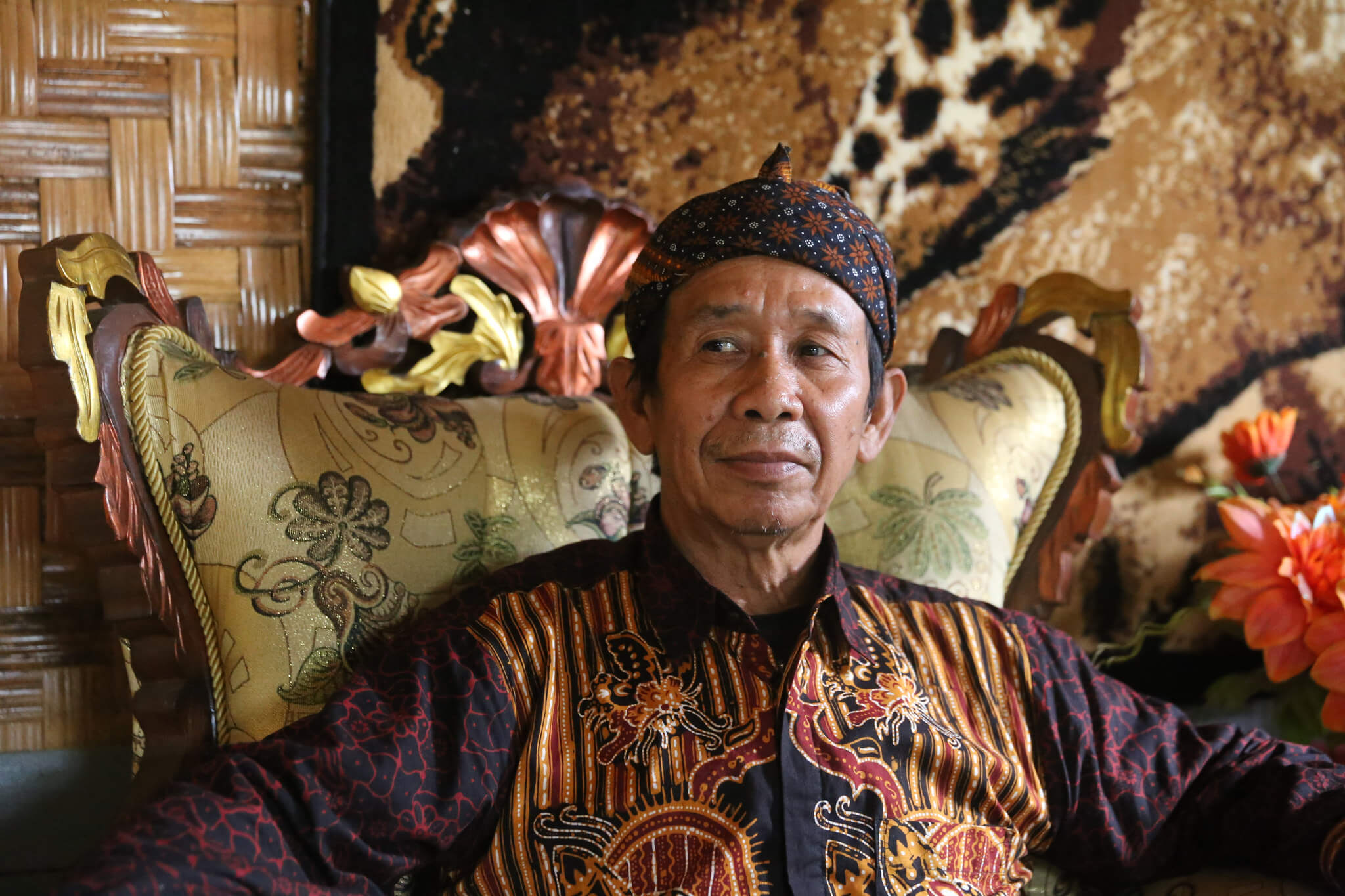
Learn a bit about the Komi People here
As one of the main partners in the Komi Model Forest Project, questions must be asked as to how WWF were seemingly ‘unaware’ of the existence of indigenous people in the area under certification, or about the concerns which these people are now raising. There will also no doubt be questions asked about the nature of WWF’s relationship with Mondi. As a company whose core business is in industrial plantations of eucalyptus, Mondi might not seem like the obvious business partner for a project in the ‘primeval’ natural forests of northern Russia. However, there has been a close relationship between WWF and Mondi for many years.
. Mondi has ‘donated’ the equivalent of nearly $1 million to WWF-South Africa’s wetland projects, and the company has reported “the FSC certification of 1.16 million hectares of leased forests in Russia in March 2006, an achievement that earned MONDI BUSINESS PAPER a WWF Panda Award”. In fact, in 2002, Mondi had acquired Komi Republic’s Syktyvkar paper mill for $2 billion, and was no doubt looking to secure sources of supply. Perhaps their cordial contacts with WWF were helpful.
(The Syktyvkar mill’s processing of FSC-certified wood and other fibre continues to pollute local people, causing “respiratory diseases, cancers, allergies, asthma and skin irritations”. As previously reported on FSC-Watch, the certification of Mondi’s environmentally disastrous eucalyptus plantations has been bitterly opposed by South African environmentalists and the company has also been accused of ‘environmental racism’.)
Read the full article on fsc-watch
Across the world right now, Indigenous peoples are facing a renewed assault on their lands, rights, and ways of life.
From extractive industries pushing deeper into ancestral territories, to governments rolling back hard-won protections,
the threat is global—and it is growing.
What makes this moment especially dangerous is how little attention it receives.
Stories like this are disappearing in real time. Mainstream media
barely covers it and the coverage is fragmented. The public is left without the context
needed to understand what is truly at stake.
That is exactly why IC Magazine exists..
For more than 20 years, IC has reported on Indigenous struggles worldwide — consistently, independently, and without compromise.
We don’t follow news cycles; we trace patterns. We don’t sensationalize; we provide context.
And when the world looks away, we stay focused.
But this work is increasingly difficult to sustain.
We refuse to lock our reporting behind a paywall. We don’t sell access through subscriptions.
And we don’t answer to advertisers. IC Magazine survives solely because readers like you choose to
support independent Indigenous journalism.
Please donate today if you can. Every contribution helps us to continue this crucial work.
Thank you,
John Ahni Schertow
Founder and Editor in Chief