Last Updated on August 30, 2018
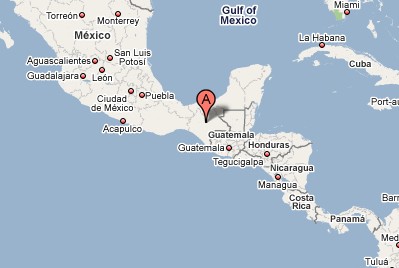
Where Are The Maya? exposes the uncomfortable truth about the tourist Meccas of Cancún and Playa del Carmen in Mexico’s Yucatan peninsula.
The Narco News School of Authentic Journalism presents Where Are The Maya? a new 15-minute documentary film that strikes at the heart of Mexico’s tourism industry.
Filmed over the course of eleven days in February 2010, the documentary exposes the shamefully-commonplace exploitation of the original peoples of Mexico’s Yucatan peninsula: the Maya.
Day in and day out, the two city centres “exploit the name and the descendants of that beautiful historic peninsula whose indigenous peoples, monuments and cultures have awed the world time and time again,” says Al Giordano, founder of the School of Authentic Journalism, only “to be left in the dirt, to fend for themselves against greedy men, companies and governments of brutal, violent Power.”
And where are the Maya?
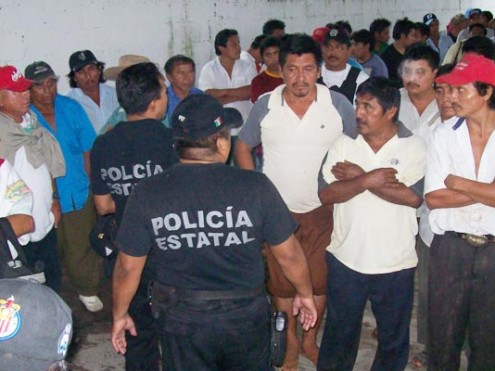
Some are forced to live in work camps, where they have no access to basic rights, let alone bathrooms. As described in the film, theyare trucked out like cattle each day and brought back each night.
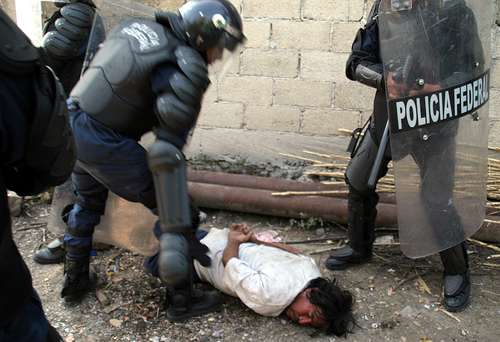
Other Maya’s have built communities for themselves, but they live in constant struggle against pompous land barons and vigilantes that want them out.
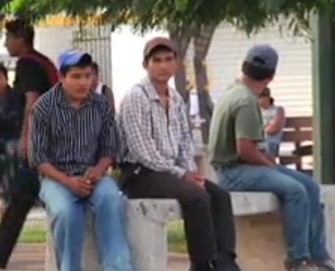
And others still must wander the streets where they are not welcome.
Meanwhile, the tourists are everywhere, seeking a piece of authentic Maya Culture, beholding ancient structures built with unmatched precision, and celebrating in the lap of luxury far away from real life.
Across the world right now, Indigenous peoples are facing a renewed assault on their lands, rights, and ways of life.
From extractive industries pushing deeper into ancestral territories, to governments rolling back hard-won protections,
the threat is global—and it is growing.
What makes this moment especially dangerous is how little attention it receives.
Stories like this are disappearing in real time. Mainstream media
barely covers it and the coverage is fragmented. The public is left without the context
needed to understand what is truly at stake.
That is exactly why IC Magazine exists..
For more than 20 years, IC has reported on Indigenous struggles worldwide — consistently, independently, and without compromise.
We don’t follow news cycles; we trace patterns. We don’t sensationalize; we provide context.
And when the world looks away, we stay focused.
But this work is increasingly difficult to sustain.
We refuse to lock our reporting behind a paywall. We don’t sell access through subscriptions.
And we don’t answer to advertisers. IC Magazine survives solely because readers like you choose to
support independent Indigenous journalism.
Please donate today if you can. Every contribution helps us to continue this crucial work.
Thank you,
John Ahni Schertow
Founder and Editor in Chief