Last Updated on August 30, 2018
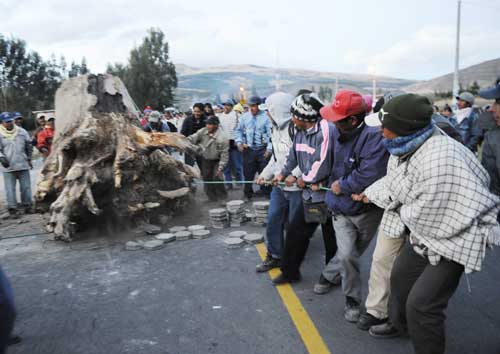
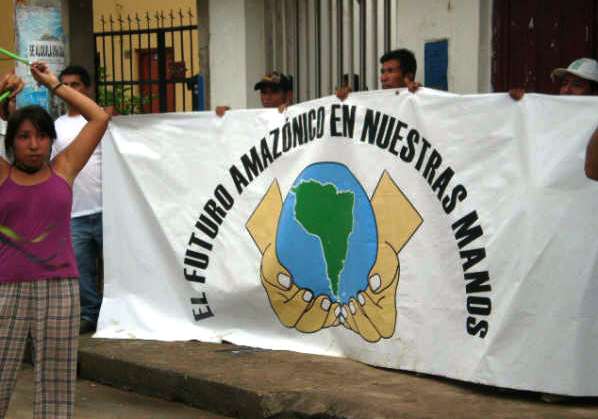
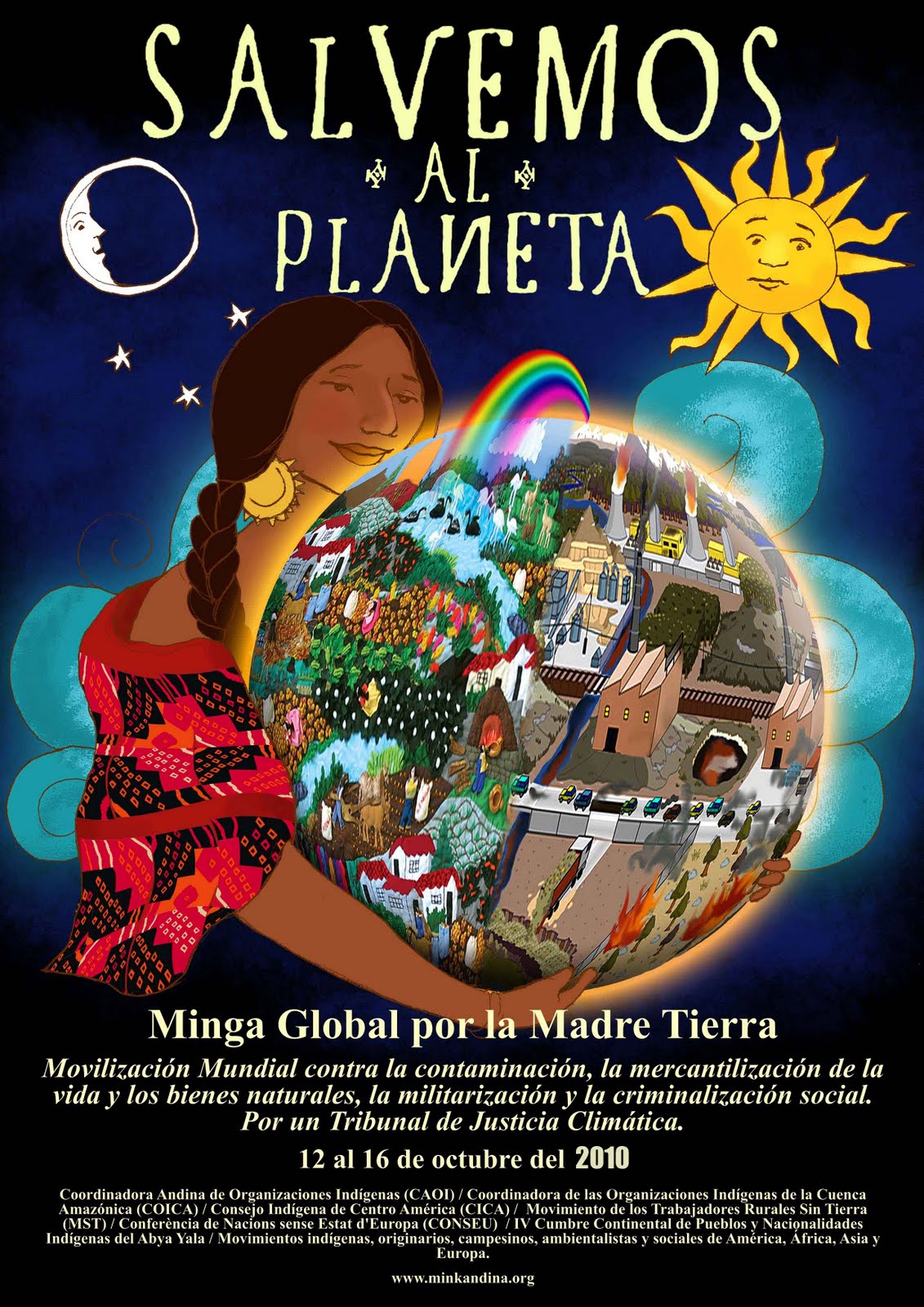
From October 12-16, 2010, Indigenous Peoples, Social Movements, and Climate Justice Activists will converge in more than a dozen countries for the second Global Minga In Defense of Mother Earth. This year’s primary focus will be Climate and Environmental Justice.
Echoing the first Global Minga, which took place during the week of Oct. 12, 2009, protests, demonstrations, forums, sit-ins, and other actions will be carried out, states The Andean Coordinator of Indigenous Organizations (CAOI), the Coordinator of Indigenous Organizations of the Amazon Basin (COICA) and others:
To Oppose the commodification of life (food, water, biodiversity, natural assets); the privatization of nature through the carbon market; pollution and predation (by mining, hydrocarbons, hydropower, forestry, livestock , biofuels, GMOs); consumerism and criminalization of social struggles; the persecution of migrants
To Promote the defense of land, natural wealth and spirituality linked to Mother Earth; water for future generations; collective rights; and the importance of “living well” (the need to live with nature in harmony and balance)
To Warn of the imminent danger of environmental catastrophe that threatens the planet and identify those responsible.
To Demand amnesty for all indigenous leaders, social and environmental activists who defend the rights of peoples and Mother Earth.
Among the many coalitions, networks and local groups that will take part in this Year’s Minga: Climate Justice Action! (CJA) has announced plans for a Global Day of Action for Climate Justice for Oct. 12; and Via Campesina, an International day of Action against Agribusiness and Monsanto on Oct. 16.
Across the world right now, Indigenous peoples are facing a renewed assault on their lands, rights, and ways of life.
From extractive industries pushing deeper into ancestral territories, to governments rolling back hard-won protections,
the threat is global—and it is growing.
What makes this moment especially dangerous is how little attention it receives.
Stories like this are disappearing in real time. Mainstream media
barely covers it and the coverage is fragmented. The public is left without the context
needed to understand what is truly at stake.
That is exactly why IC Magazine exists..
For more than 20 years, IC has reported on Indigenous struggles worldwide — consistently, independently, and without compromise.
We don’t follow news cycles; we trace patterns. We don’t sensationalize; we provide context.
And when the world looks away, we stay focused.
But this work is increasingly difficult to sustain.
We refuse to lock our reporting behind a paywall. We don’t sell access through subscriptions.
And we don’t answer to advertisers. IC Magazine survives solely because readers like you choose to
support independent Indigenous journalism.
Please donate today if you can. Every contribution helps us to continue this crucial work.
Thank you,
John Ahni Schertow
Founder and Editor in Chief