Last Updated on October 4, 2013
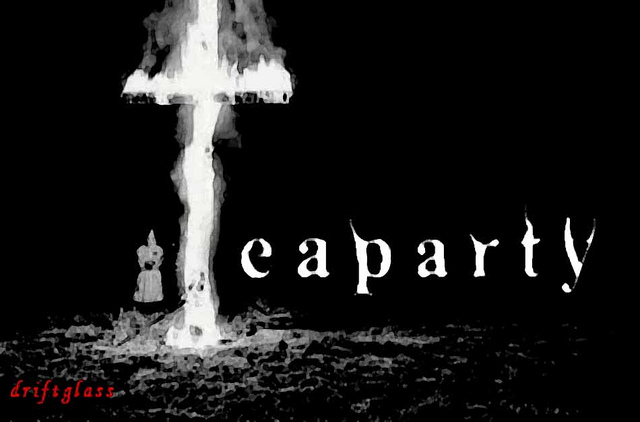
The collapse of the modern state in terms of providing adequate social structure to meet basic human needs creates in turn numerous psychoses: economic panic, religious hysteria, and various dissociative symptoms. Within this scenario of a crumbling social contract, fear and anger — mobilized into hate and revenge — are perhaps most disconcerting, but communities living in denial about the waxing political power of such moral aberrations as the Tea Party, anti-Indian movement and Christian Patriots cannot long continue breathing their own exhaust if they want to avoid normalizing hate. Responses in the form of moral theatrics are fine for careers in political theatre, but they do not affect the political change that can only come about by contesting political power as exercised through research, education and organizing. Watching the anti-democratic movement in the US — exemplified by the Tea Party — conduct candidate trainings and activist workshops on a daily basis, while horrified liberals merely sign petitions protesting the latest outrage, is not encouraging.
Across the world right now, Indigenous peoples are facing a renewed assault on their lands, rights, and ways of life.
From extractive industries pushing deeper into ancestral territories, to governments rolling back hard-won protections,
the threat is global—and it is growing.
What makes this moment especially dangerous is how little attention it receives.
Stories like this are disappearing in real time. Mainstream media
barely covers it and the coverage is fragmented. The public is left without the context
needed to understand what is truly at stake.
That is exactly why IC Magazine exists..
For more than 20 years, IC has reported on Indigenous struggles worldwide — consistently, independently, and without compromise.
We don’t follow news cycles; we trace patterns. We don’t sensationalize; we provide context.
And when the world looks away, we stay focused.
But this work is increasingly difficult to sustain.
We refuse to lock our reporting behind a paywall. We don’t sell access through subscriptions.
And we don’t answer to advertisers. IC Magazine survives solely because readers like you choose to
support independent Indigenous journalism.
Please donate today if you can. Every contribution helps us to continue this crucial work.
Thank you,
John Ahni Schertow
Founder and Editor in Chief