Last Updated on August 17, 2018
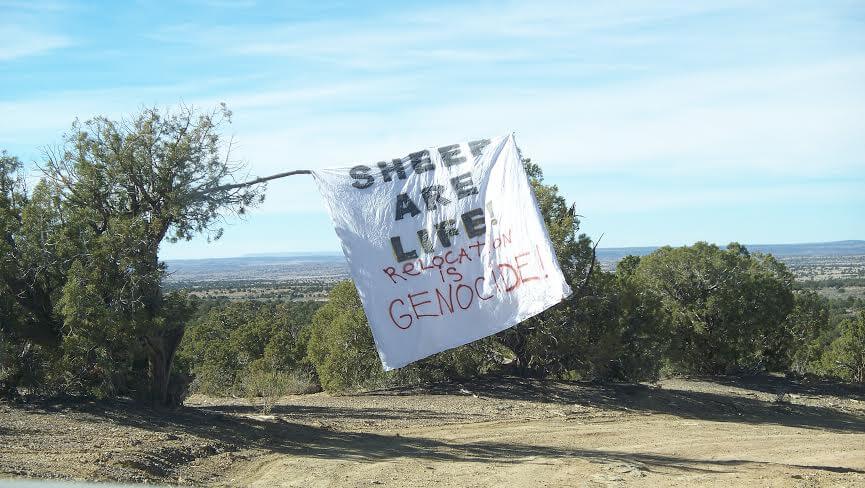
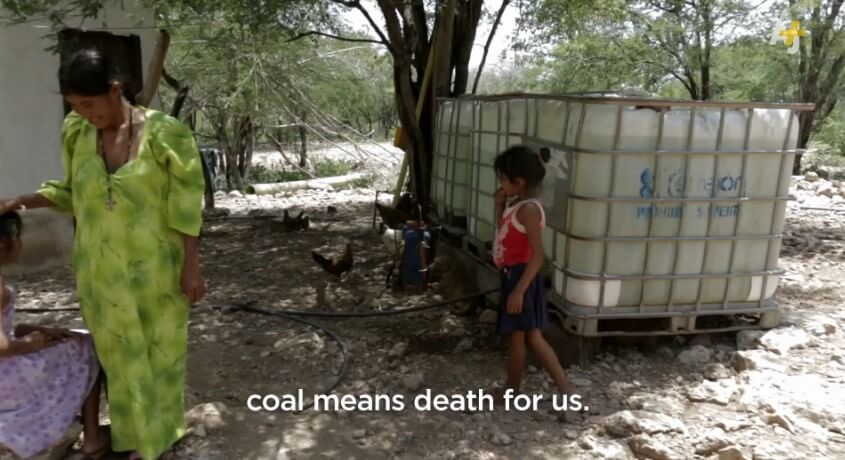
Under the tribal government system imposed on indigenous nations by the U.S. Government, governance of the Navajo Nation has long been corrupted by the corrosive influence of the coal industry. Now that tribal members are challenging their corrupted government, the U.S. Government and the coal companies in court as well as on the ground, Navajo Nation officials are attempting to silence their own people and limit the jurisdiction of federal courts over the application of environmental protection laws on Indian reservations.
By asserting sovereign immunity over its territory in order to accommodate expanded coal mining — and thereby the depletion of Navajo aquifers and degradation of air quality — the Navajo government is playing a dangerous game. While sovereignty carried to its logical end means the Navajo could set its own environmental policy at lower standards than those of the U.S. Environmental Protection Agency, the message that would send to Wall Street and Main Street could set off a firestorm in the midst of a coalescing indigenous environmental alliance centered around new instruments of the international human rights regime.
Given Wall Street’s inordinate influence on national and international institutions, the global indigenous liberation movement is understandably fragile and chaotic; sowing the seeds of indigenous disintegration within America’s most populous tribal nation is an act the Navajo government will someday have to answer for.
Across the world right now, Indigenous peoples are facing a renewed assault on their lands, rights, and ways of life.
From extractive industries pushing deeper into ancestral territories, to governments rolling back hard-won protections,
the threat is global—and it is growing.
What makes this moment especially dangerous is how little attention it receives.
Stories like this are disappearing in real time. Mainstream media
barely covers it and the coverage is fragmented. The public is left without the context
needed to understand what is truly at stake.
That is exactly why IC Magazine exists..
For more than 20 years, IC has reported on Indigenous struggles worldwide — consistently, independently, and without compromise.
We don’t follow news cycles; we trace patterns. We don’t sensationalize; we provide context.
And when the world looks away, we stay focused.
But this work is increasingly difficult to sustain.
We refuse to lock our reporting behind a paywall. We don’t sell access through subscriptions.
And we don’t answer to advertisers. IC Magazine survives solely because readers like you choose to
support independent Indigenous journalism.
Please donate today if you can. Every contribution helps us to continue this crucial work.
Thank you,
John Ahni Schertow
Founder and Editor in Chief