Last Updated on August 3, 2018
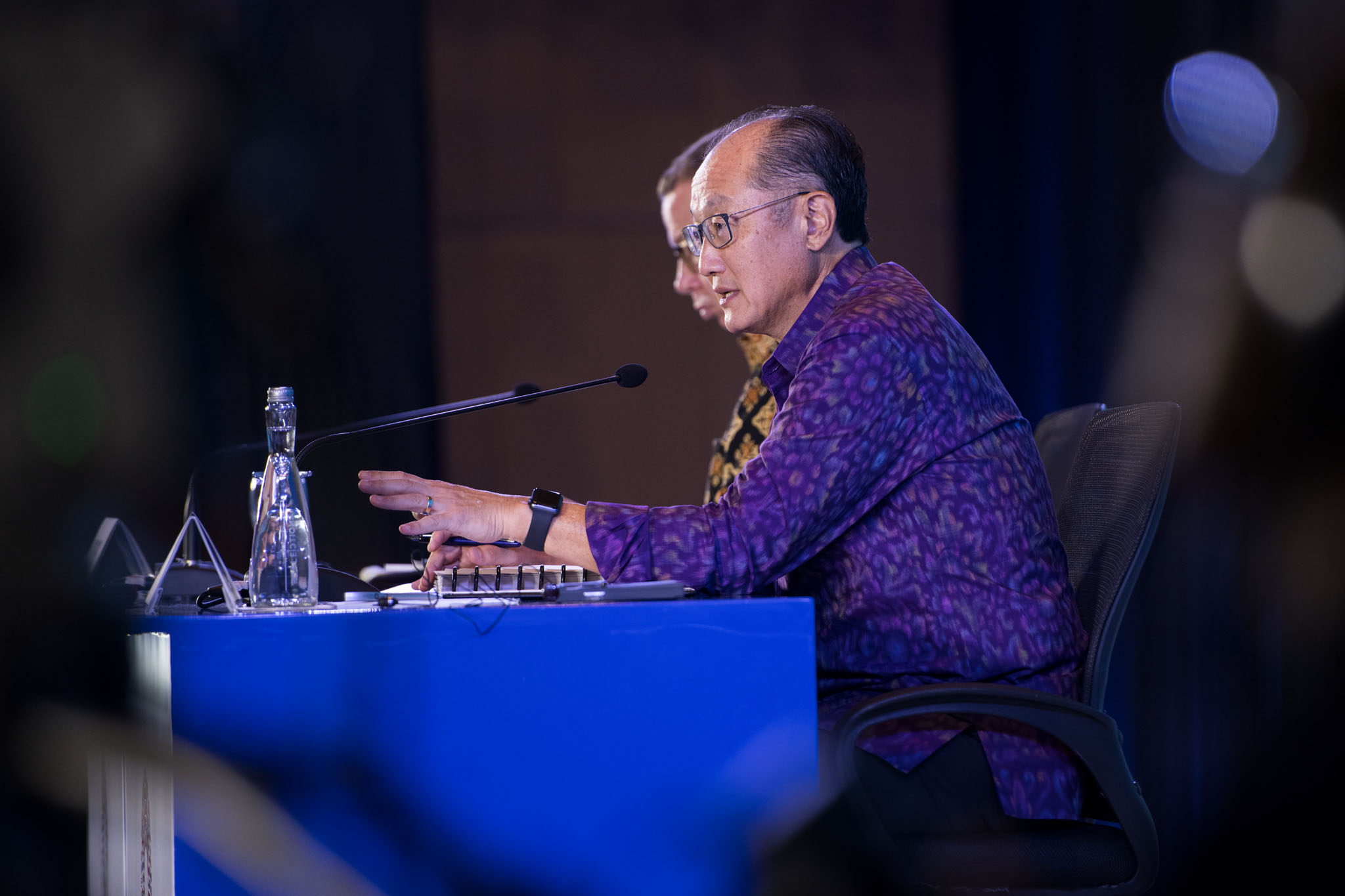
In his book The Globalisation of Poverty, Michel Chossudovsky exposes UN agencies like the International Monetary Fund and World Bank as part of the credit cartel subverting state sovereignty and undermining indigenous autonomy. I thought about this book the other day when reading the declaration by the Indigenous Peoples Forum on Climate Change, simultaneously noting the divisive tactics deployed by UN agencies in manipulating media in order to protect their carbon market trading scheme from the moral sanction imposed by aboriginal societies.
While corrupting states and corroding nations is a commonplace occurrence at the UN, crushing them through coercive measures such as those described in Chossudovsky’s book are not well known outside activist-scholar milieus. What the World Indigenous Peoples’ Movement is likely to find, is that the genocidal policies of the past by UN member states have now been reinforced not only by the present economic austerity measures of globalization, but are being devised for the future under the rubric of responding to the climate change crisis as well.
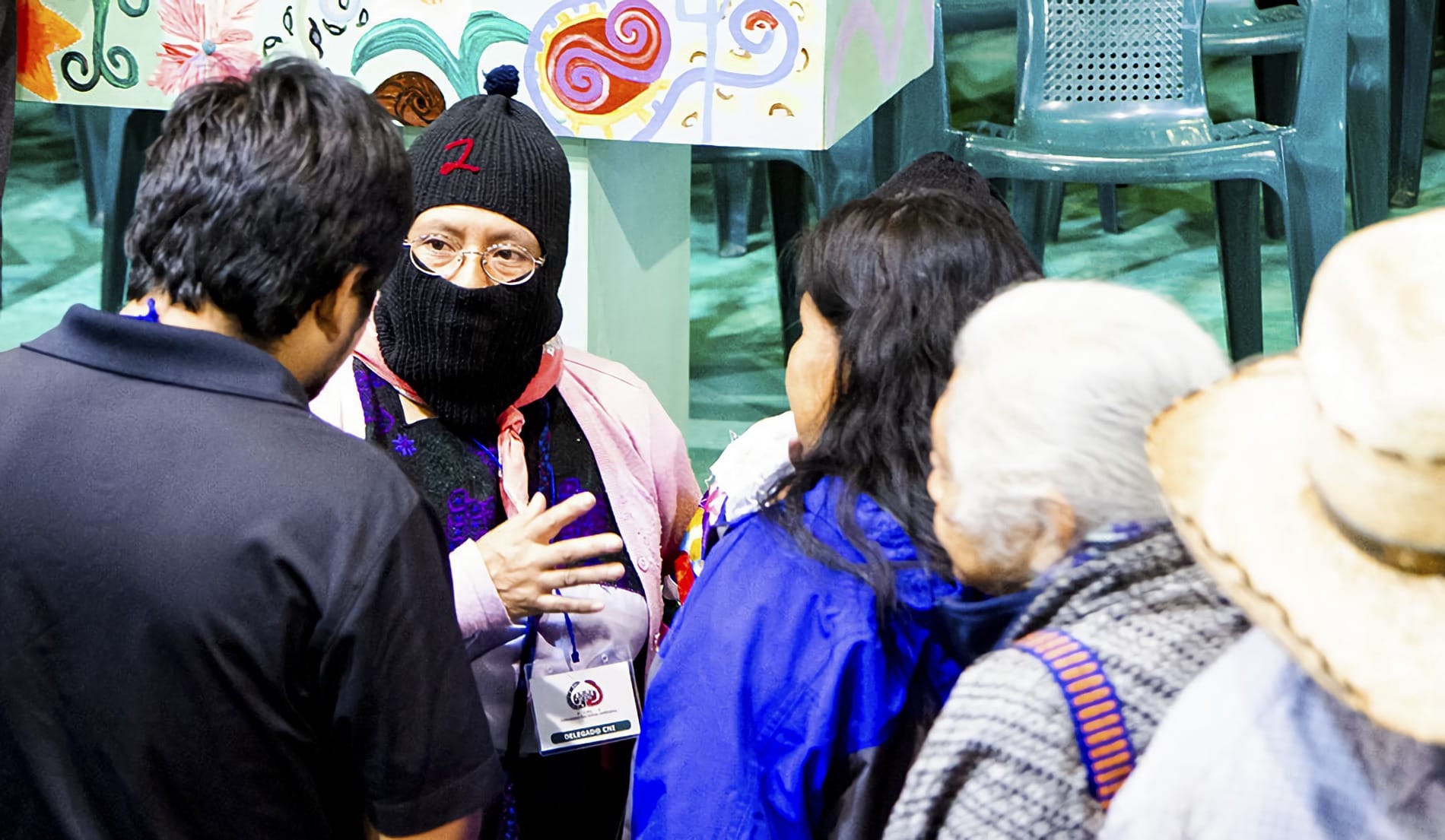
What the indigenous delegates advancing on the UN might be surprised to find, is just how few friends they have when it comes to advancing their agenda of sanity and sustainability in an institution organized to maintain the privileges of tyrannical powers. When the autochthonous peoples enter the labyrinth of the UN system, they will indeed be enveloped in the absence of the sacred.
Across the world right now, Indigenous peoples are facing a renewed assault on their lands, rights, and ways of life.
From extractive industries pushing deeper into ancestral territories, to governments rolling back hard-won protections,
the threat is global—and it is growing.
What makes this moment especially dangerous is how little attention it receives.
Stories like this are disappearing in real time. Mainstream media
barely covers it and the coverage is fragmented. The public is left without the context
needed to understand what is truly at stake.
That is exactly why IC Magazine exists..
For more than 20 years, IC has reported on Indigenous struggles worldwide — consistently, independently, and without compromise.
We don’t follow news cycles; we trace patterns. We don’t sensationalize; we provide context.
And when the world looks away, we stay focused.
But this work is increasingly difficult to sustain.
We refuse to lock our reporting behind a paywall. We don’t sell access through subscriptions.
And we don’t answer to advertisers. IC Magazine survives solely because readers like you choose to
support independent Indigenous journalism.
Please donate today if you can. Every contribution helps us to continue this crucial work.
Thank you,
John Ahni Schertow
Founder and Editor in Chief