Last Updated on August 30, 2018
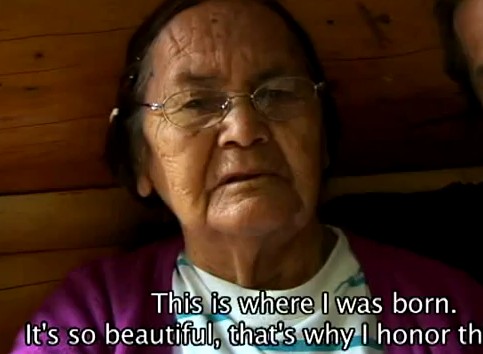
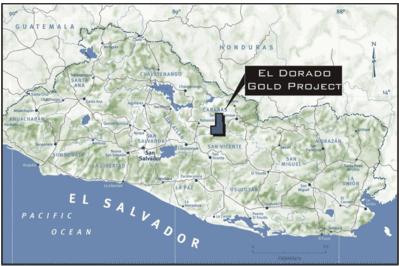
“All That Glitters Isn’t Gold – A Story of Exploitation and Resistance” is an hour-long documentary about the San Martin open-pit gold mine in the Siria Valley of Honduras, and the efforts of local indigenous communities to shut it down.
Operating since 1998, the San Martin Mine has been a disastrous burden for the local population. More than fifty percent suffer from skin disorders and numerous internal health issues due to the consumption and use of local water. A significant percentage of children suffer from chronic illness and have no means of diagnosis or treatment.
The mine, which is now owned by Vancouver-based Goldcorp, has had a similar effect on the local economy, which is traditionally based on agriculture and cattle. As a 2006 open letter states, many people simply can’t make ends meet anymore, leading them to immigrate to the United States, breaking apart their families and community life.
In response to all of this, what has essentially become a way of life — the communities have done everything in their power to shut down the mine. Unfortunately, they have been met with little more than cynicism, harassment, military violence assassinations, and perverse claims that the mine is a model of healthy development.
The San Martin is nearing closure today (almost all the gold is gone), which means it won’t be long before the community will see the end of this ten-year-long molestation, and begin returning to their own way of life. Nevertheless, the damage has been done. The communities may never be the same again.
Across the world right now, Indigenous peoples are facing a renewed assault on their lands, rights, and ways of life.
From extractive industries pushing deeper into ancestral territories, to governments rolling back hard-won protections,
the threat is global—and it is growing.
What makes this moment especially dangerous is how little attention it receives.
Stories like this are disappearing in real time. Mainstream media
barely covers it and the coverage is fragmented. The public is left without the context
needed to understand what is truly at stake.
That is exactly why IC Magazine exists..
For more than 20 years, IC has reported on Indigenous struggles worldwide — consistently, independently, and without compromise.
We don’t follow news cycles; we trace patterns. We don’t sensationalize; we provide context.
And when the world looks away, we stay focused.
But this work is increasingly difficult to sustain.
We refuse to lock our reporting behind a paywall. We don’t sell access through subscriptions.
And we don’t answer to advertisers. IC Magazine survives solely because readers like you choose to
support independent Indigenous journalism.
Please donate today if you can. Every contribution helps us to continue this crucial work.
Thank you,
John Ahni Schertow
Founder and Editor in Chief