Last Updated on October 7, 2013
Over the past five years, I’ve frequently written about imagination, intellectual development, isolation and public mental health. As part of that discussion, I have posted numerous commentaries on globalization and the widespread loss of faith in progress. More specifically, I explored how the lethal concept of progress perpetuates destructive arrogance.
Searching for a way out of this impasse, I entertained competing perspectives on governance and social evolution. At times, I examined the psychological warfare associated with the concept of progress, and how it has historically been challenged.
In some of these reflections, I observed how progressives are unable to deal with the phenomenon of what some have called culture death, and even noted why progressive values have failed.
But criticism of our dying consumer culture is not enough; to obtain a new balance requires a new proposition. And for that we need a new form of engagement.
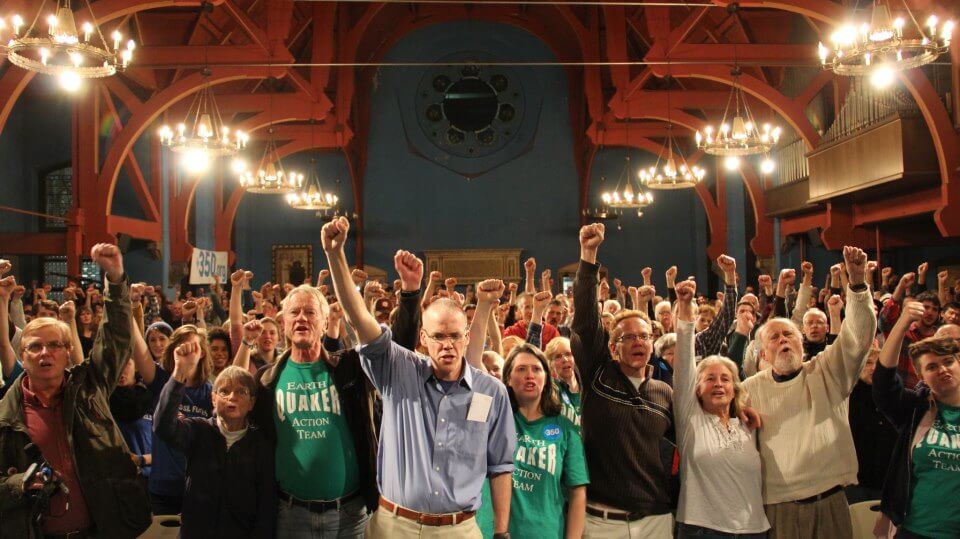
What I proposed as a graduate student ten years ago was that we establish humanities laboratories where activists and scholars and concerned citizens could gather face to face to have conversations about social communication, community revitalization, and other aspects of democratic renewal. When I proposed this type of venue, I was thinking of it as an actual physical location where experimentation and workshops could be conducted using communal broadcast, radio and Internet production facilities, as well as recording and editing equipment with technical support.
Since then, breakthroughs in self-publication, video creation and podcast have made individual expression easier, but the issue of interaction leading to deep discussion remains: a world of isolated producers still leaves us isolated. To develop our ideas and bring them to fruition requires that we meet with others in a give and take where the best solutions can emerge, and our communal bonds can be developed in ways that sustain our mental and spiritual health.
In this way, our virtual communities can become real.
Across the world right now, Indigenous peoples are facing a renewed assault on their lands, rights, and ways of life.
From extractive industries pushing deeper into ancestral territories, to governments rolling back hard-won protections,
the threat is global—and it is growing.
What makes this moment especially dangerous is how little attention it receives.
Stories like this are disappearing in real time. Mainstream media
barely covers it and the coverage is fragmented. The public is left without the context
needed to understand what is truly at stake.
That is exactly why IC Magazine exists..
For more than 20 years, IC has reported on Indigenous struggles worldwide — consistently, independently, and without compromise.
We don’t follow news cycles; we trace patterns. We don’t sensationalize; we provide context.
And when the world looks away, we stay focused.
But this work is increasingly difficult to sustain.
We refuse to lock our reporting behind a paywall. We don’t sell access through subscriptions.
And we don’t answer to advertisers. IC Magazine survives solely because readers like you choose to
support independent Indigenous journalism.
Please donate today if you can. Every contribution helps us to continue this crucial work.
Thank you,
John Ahni Schertow
Founder and Editor in Chief