
Last Updated on March 18, 2025
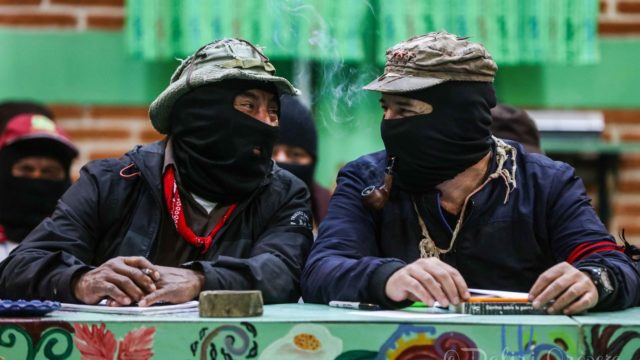
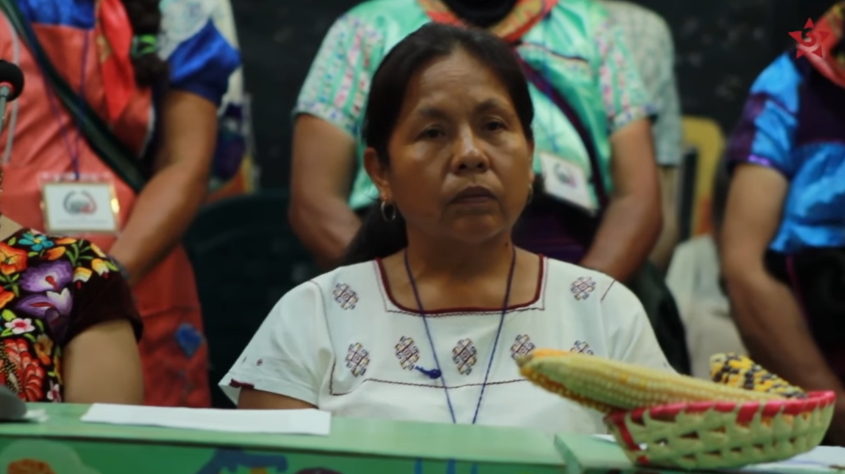
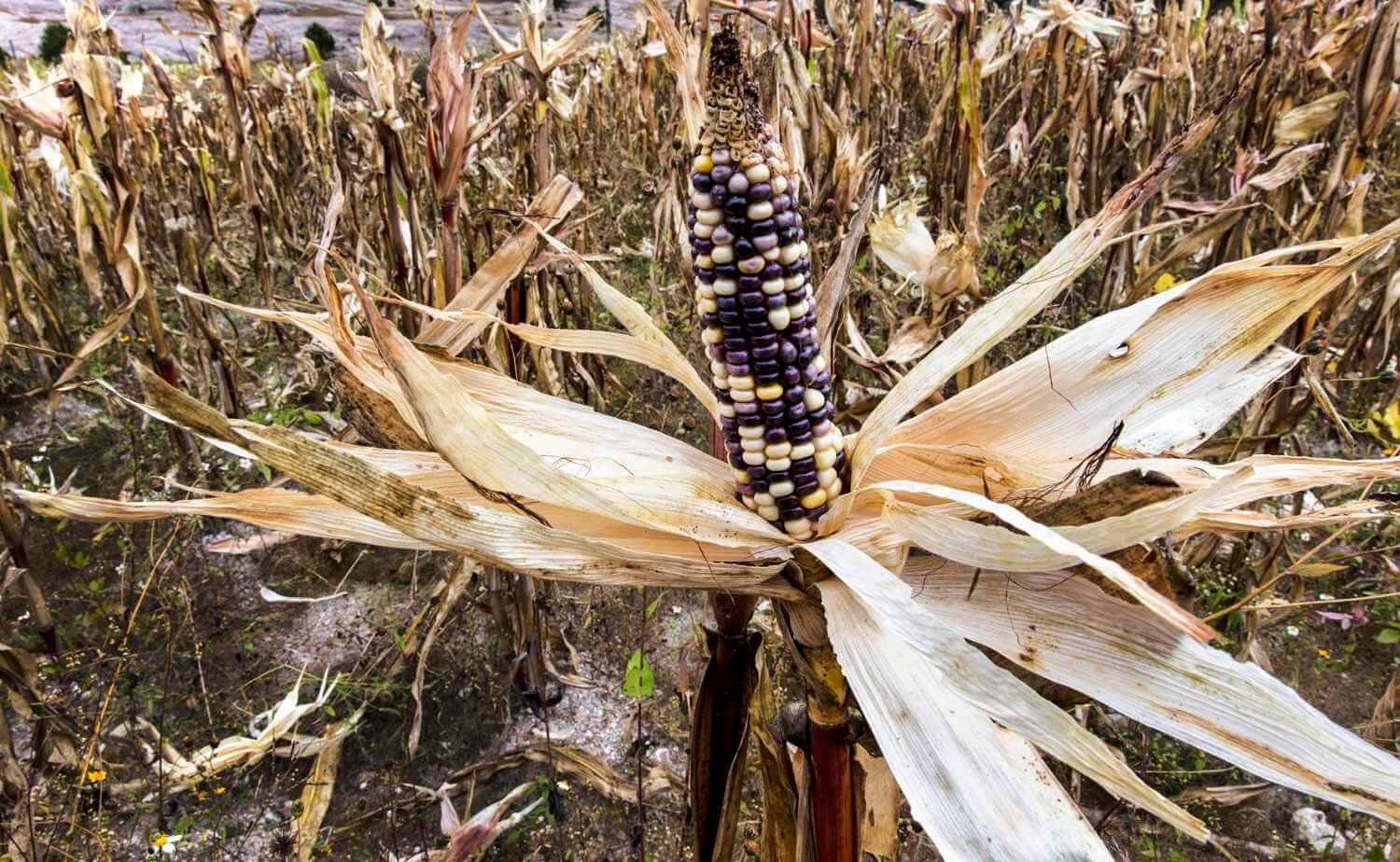
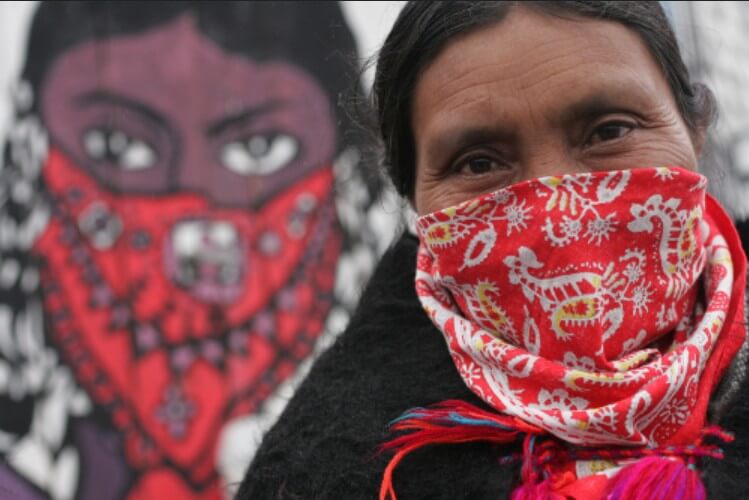
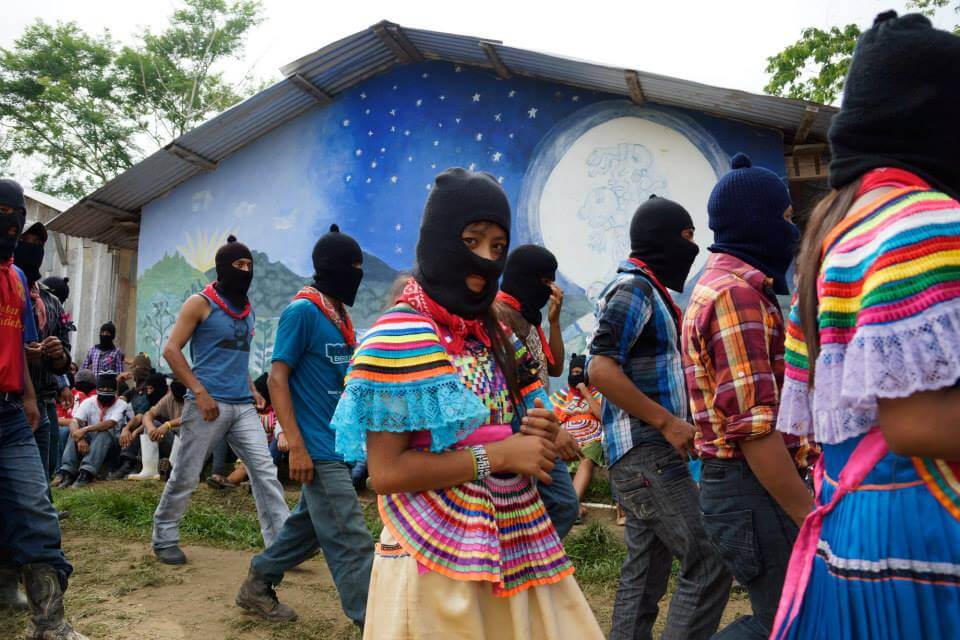
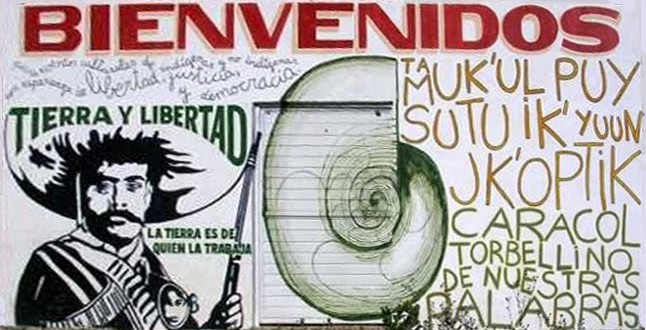
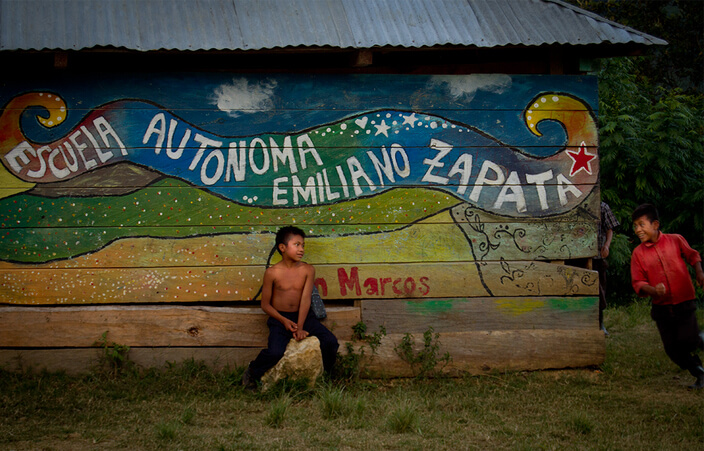
The small Indigenous community of San Marcos Avilés, a village located in the mountains of Chiapas, Mexico, is divided into two sections: on the one side stand the people who are devoted to the Zapatista Autonomous Organisation and on the other, local people who rely on the Mexican governmental support. The relationship among them is extremely intense after a violent community outburst that took place 3 years ago.
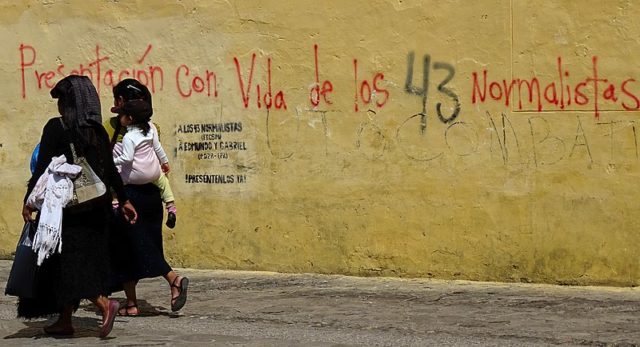
Meanwhile the Mexican State has declared a shadowy drug war that has devastated the local communities and has claimed over 45,000 victims the last 5 years. At the same time the State supports big enterprise initiatives that relocate Indigenous communities from their land in order to construct there alternative tourism projects as a measure of social security and economic development.
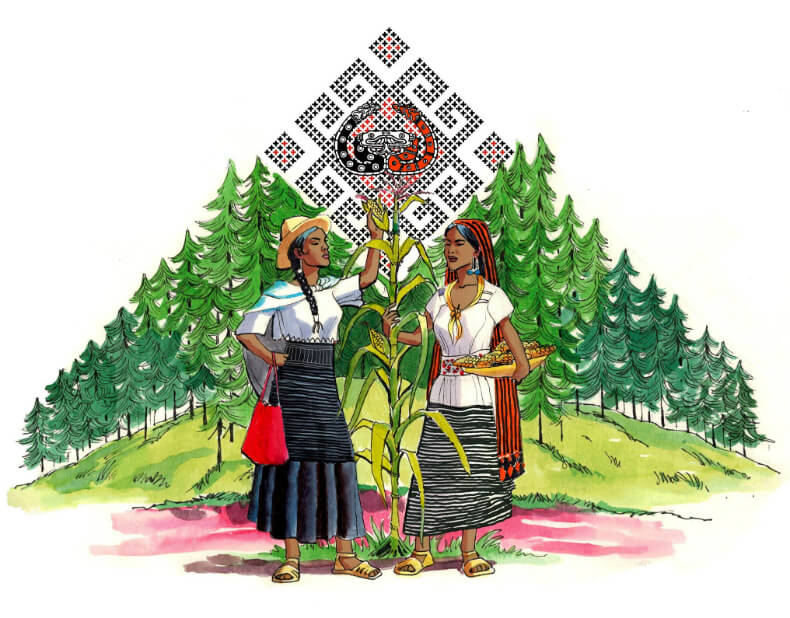
As the general condition in the state of Mexico in the terms of social human rights and economy deteriorates, Zapatista villagers keep struggling in the terms of Autonomy far away from the cities, in order to keep their land from the hands of the enterprises, to endure the paramilitary drug war and to keep an open dialogue with urban people and political movements.
Across the world right now, Indigenous peoples are facing a renewed assault on their lands, rights, and ways of life.
From extractive industries pushing deeper into ancestral territories, to governments rolling back hard-won protections,
the threat is global—and it is growing.
What makes this moment especially dangerous is how little attention it receives.
Stories like this are disappearing in real time. Mainstream media
barely covers it and the coverage is fragmented. The public is left without the context
needed to understand what is truly at stake.
That is exactly why IC Magazine exists..
For more than 20 years, IC has reported on Indigenous struggles worldwide — consistently, independently, and without compromise.
We don’t follow news cycles; we trace patterns. We don’t sensationalize; we provide context.
And when the world looks away, we stay focused.
But this work is increasingly difficult to sustain.
We refuse to lock our reporting behind a paywall. We don’t sell access through subscriptions.
And we don’t answer to advertisers. IC Magazine survives solely because readers like you choose to
support independent Indigenous journalism.
Please donate today if you can. Every contribution helps us to continue this crucial work.
Thank you,
John Ahni Schertow
Founder and Editor in Chief