Last Updated on April 10, 2025
Blood in the Mobile is a 2010 documentary film that exposes the connection between mobile phones and Democratic Republic of Congo’s bloody civil war.
Synopsis
We love our cell phones and the selection between different models has never been greater. But the production of phones has a dark and bloody side.
The majority of minerals used to produce cell phones come from the mines in the Eastern DR Congo. By purchasing these so-called “conflict minerals” The Western World is financing a civil war that, according to human rights organizations, has been the bloodiest since World War II. During the last 15 years the conflict has taken the lives of more than 5 million people and 300,000 women have been raped. The war will continue as long as armed groups can finance their warfare by selling minerals.
If you ask phone companies about the source of their minerals, none of them can guarantee that they aren’t buying conflict minerals from the Congo.
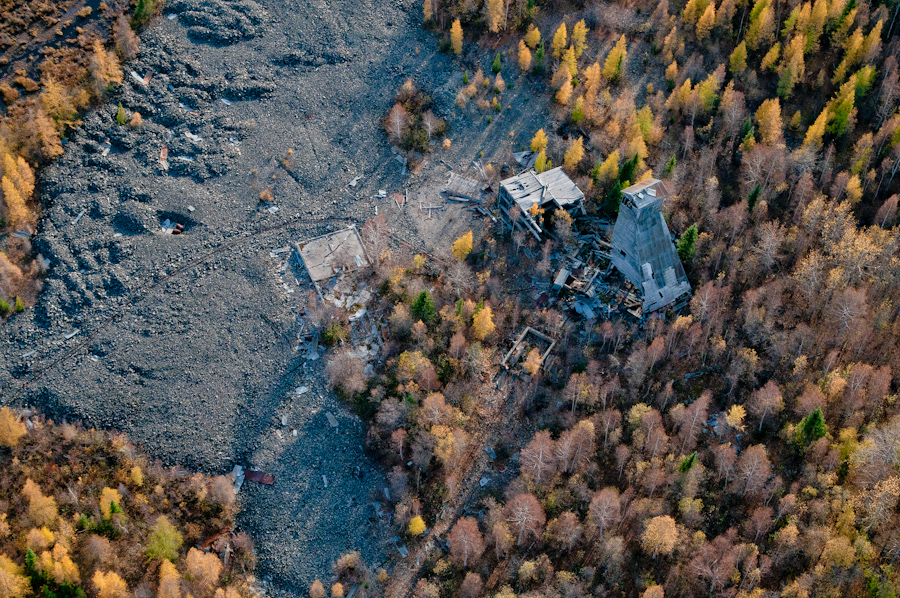
The documentary Blood in the Mobile shows the connection between our phones and the civil war in the Congo. Director Frank Poulsen travels to DR Congo to see the illegal mine industry with his own eyes. He gets access to Congo’s largest tin-mine, which is being controlled by different armed groups, and where children work for days in narrow mine tunnels to dig out the minerals that end up in our phones.
After visiting the mine Poulsen attempts to talk with Nokia, the world’s largest phone company. Poulsen wants them to guarantee that they are not buying conflict minerals, but his efforts are futile. Nokia cannot give him this guarantee.
Blood in the Mobile is a film about our responsibility — corporate and consumer alike — for the bloody conflict in the Congo.
Visit the film’s official website @ bloodinthemobile.org
Watch the film online (US residents only) @ linktv.org/programs/spotlight-blood-in-the-mobile
Also see:
From Mine To Mobile Phone – The Supply Chain In 6 Steps
Congo: Blood, gold and mobile phones, a special report by the Guardian
Blood Coltan, another film about “the real cost of our need to stay in touch”
Across the world right now, Indigenous peoples are facing a renewed assault on their lands, rights, and ways of life.
From extractive industries pushing deeper into ancestral territories, to governments rolling back hard-won protections,
the threat is global—and it is growing.
What makes this moment especially dangerous is how little attention it receives.
Stories like this are disappearing in real time. Mainstream media
barely covers it and the coverage is fragmented. The public is left without the context
needed to understand what is truly at stake.
That is exactly why IC Magazine exists..
For more than 20 years, IC has reported on Indigenous struggles worldwide — consistently, independently, and without compromise.
We don’t follow news cycles; we trace patterns. We don’t sensationalize; we provide context.
And when the world looks away, we stay focused.
But this work is increasingly difficult to sustain.
We refuse to lock our reporting behind a paywall. We don’t sell access through subscriptions.
And we don’t answer to advertisers. IC Magazine survives solely because readers like you choose to
support independent Indigenous journalism.
Please donate today if you can. Every contribution helps us to continue this crucial work.
Thank you,
John Ahni Schertow
Founder and Editor in Chief