Last Updated on April 15, 2026
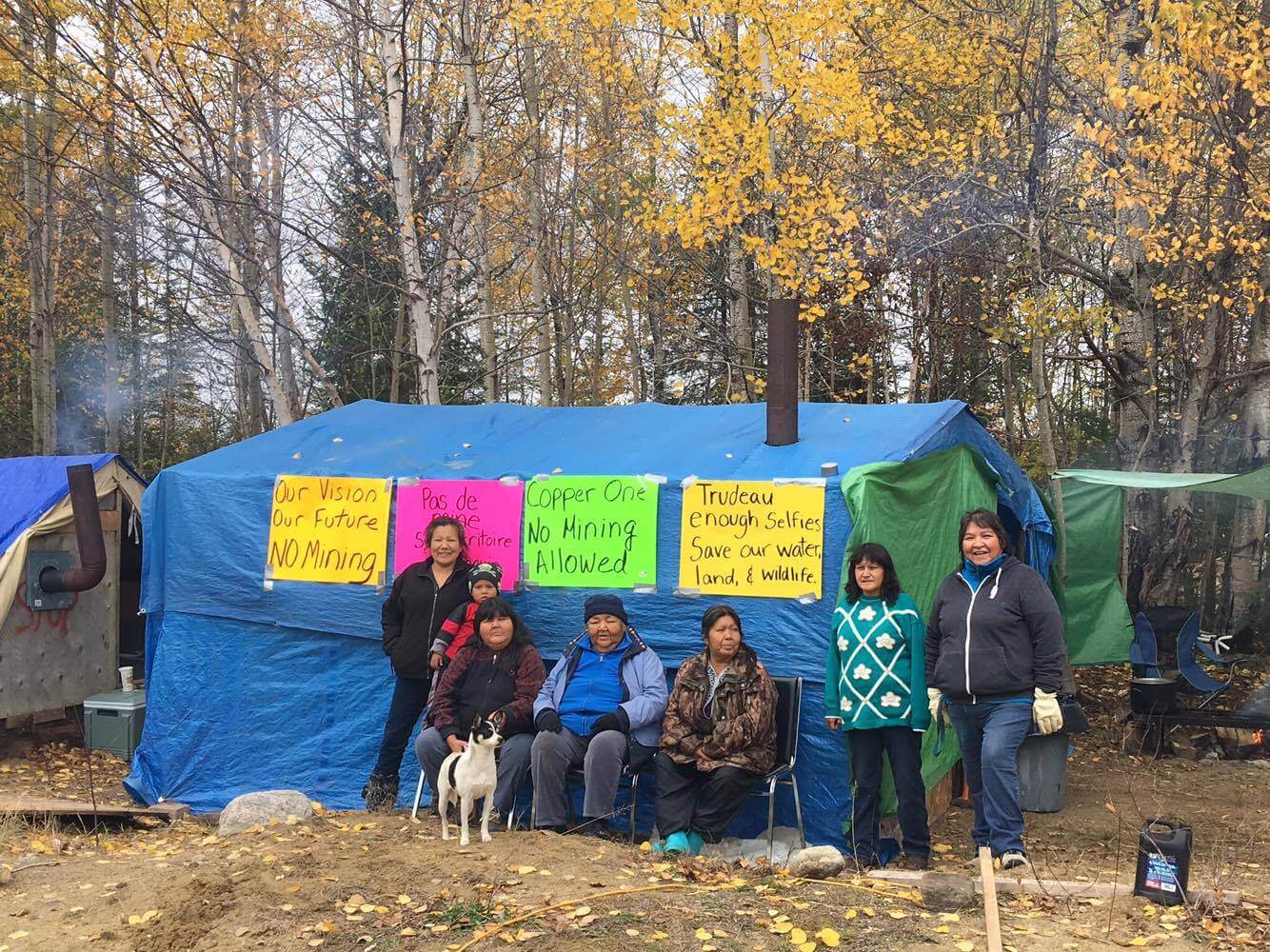
The federal and Yukon governments have approved a controversial mining project in southeastern Yukon, allowing development to proceed despite ongoing opposition from local Indigenous communities who say their rights and consent have been disregarded.
The decision clears the way for Vancouver-based BMC Minerals to advance the Kudz Ze Kayah mine, a proposed copper, lead and zinc operation located about 115 kilometres south of Ross River in the traditional territory of the Kaska Nation.
Officials said the project can move forward under 52 legally binding conditions, including requirements for water management and monitoring impacts on wildlife, particularly the Finlayson caribou herd.
The mine is expected to process up to two million tonnes of ore annually over a projected 10-year lifespan and could become one of Canada’s largest zinc producers.
One of many critical minerals, zinc is used in a variety of products including mobile phones, batteries, solar panel structures and more common consumer products like sunscreens and lotions.
The approval follows a protracted legal and regulatory battle. In 2024, the Yukon Court of Appeal overturned an earlier authorization, ruling that the government had failed to adequately assess the project’s economic feasibility and consult affected First Nations. The new decision comes after additional review and consultation ordered by the court.
Government officials said the updated assessment found no significant risk of economic failure and described the consultation process as “fair and proportionate,” while acknowledging that “consent may not always be achievable.”
For the Ross River Dena Council and Liard First Nation, however, the approval represents a continuation of a much longer story shaped by unresolved land claims and competing visions of authority over land and resources. Neither First Nation has finalized a modern treaty with the Crown, leaving the region governed by overlapping legal frameworks that often privilege state decision-making over Indigenous consent.
Leaders from the Ross River Dena Council condemned the decision, calling it a violation of constitutionally protected Aboriginal rights and inconsistent with Canada’s commitments under the United Nations Declaration on the Rights of Indigenous Peoples. They argue the process failed to meaningfully incorporate their laws, knowledge systems and governance authority.
At the heart of the dispute is more than a single mine. The project sits within an ecologically and culturally significant area known to Kaska as “Kudz Ze Kayah” or “Caribou Country,” a landscape that supports migratory herds, sustains traditional harvesting practices and carries deep spiritual meaning.
In a powerful expression of Indigenous legal authority, the Ross River Dena Council has recognized the Finlayson caribou herd as a “living ecological person with inherent rights,” shifting the conversation away from environmental mitigation toward a deeper reckoning with the land.
The approval requires the creation of an independent oversight committee, with First Nations representation, to monitor impacts on the herd and recommend safeguards. Still, community leaders say such measures fall short of what is required: not just participation, but authority.
BMC Minerals welcomed the decision as a major milestone and said it will continue seeking additional permits, with a final investment decision expected by 2027.
Across the world right now, Indigenous peoples are facing a renewed assault on their lands, rights, and ways of life.
From extractive industries pushing deeper into ancestral territories, to governments rolling back hard-won protections,
the threat is global—and it is growing.
What makes this moment especially dangerous is how little attention it receives.
Stories like this are disappearing in real time. Mainstream media
barely covers it and the coverage is fragmented. The public is left without the context
needed to understand what is truly at stake.
That is exactly why IC Magazine exists..
For more than 20 years, IC has reported on Indigenous struggles worldwide — consistently, independently, and without compromise.
We don’t follow news cycles; we trace patterns. We don’t sensationalize; we provide context.
And when the world looks away, we stay focused.
But this work is increasingly difficult to sustain.
We refuse to lock our reporting behind a paywall. We don’t sell access through subscriptions.
And we don’t answer to advertisers. IC Magazine survives solely because readers like you choose to
support independent Indigenous journalism.
Please donate today if you can. Every contribution helps us to continue this crucial work.
Thank you,
John Ahni Schertow
Founder and Editor in Chief