Last Updated on November 13, 2011
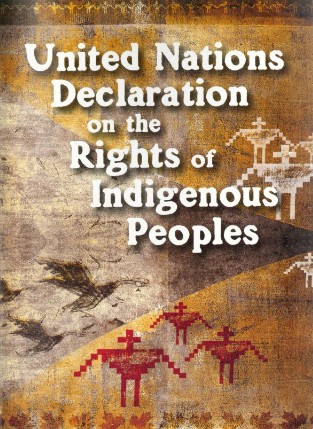
November 17, 2006 – by Joseph Quesnel — Canadian representatives at the United Nations are attempting to bribe African member states in order to buy their support for a motion to delay final passage of the UN Declaration on Indigenous Rights at the General Assembly in New York, alleged the chief of a prominent Manitoba Aboriginal organization.
“We heard of this at a recent international treaties summit. It is unsubstantiated,” said Grand Chief Chris Henderson of the Southern Chiefs Organization, at a press conference held in the group’s Winnipeg office.
Henderson went on to elaborate saying he was informed that African states were told that their lucrative commercial arrangements with Canada would be “expedited” if they were to support a procedural delay to prevent passage of the declaration. According to the chief, if the motion is delayed it would effectively kill the declaration’s passage.
“This is economic blackmail.”
The federal government opposed the Declaration when it was before the United Nations Human Rights Council, on the grounds that the international document left the term “right of national self-determination” largely undefined and conflicted with domestic Canadian law.
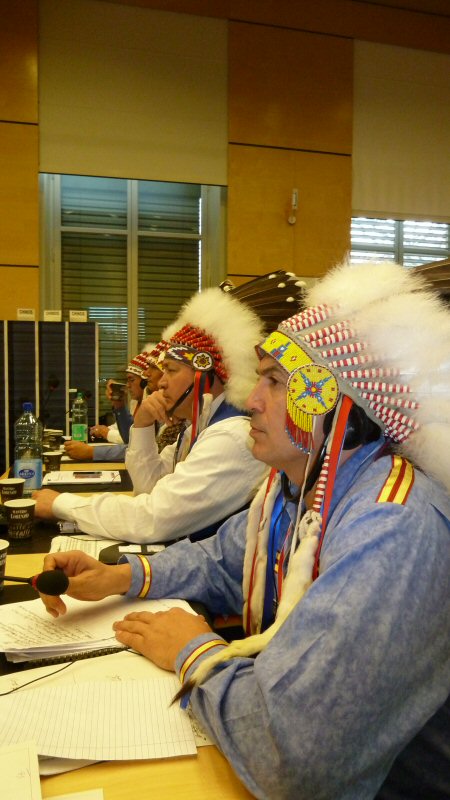
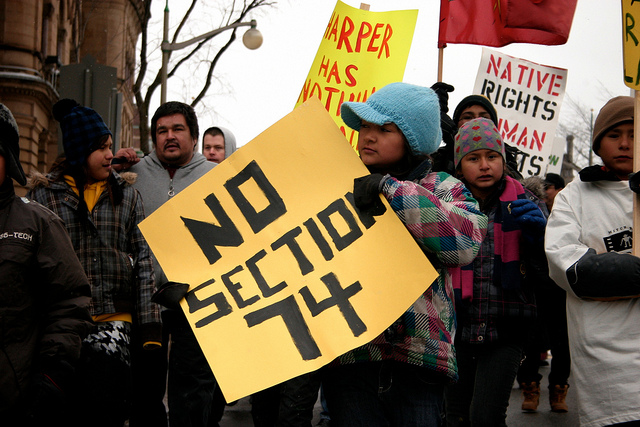
Henderson said Aboriginal organizations are already on the ground in New York attempting to drum up support for the declaration as it approaches a final vote, which could come as early as next week.
From www.firstperspective.ca
Across the world right now, Indigenous peoples are facing a renewed assault on their lands, rights, and ways of life.
From extractive industries pushing deeper into ancestral territories, to governments rolling back hard-won protections,
the threat is global—and it is growing.
What makes this moment especially dangerous is how little attention it receives.
Stories like this are disappearing in real time. Mainstream media
barely covers it and the coverage is fragmented. The public is left without the context
needed to understand what is truly at stake.
That is exactly why IC Magazine exists..
For more than 20 years, IC has reported on Indigenous struggles worldwide — consistently, independently, and without compromise.
We don’t follow news cycles; we trace patterns. We don’t sensationalize; we provide context.
And when the world looks away, we stay focused.
But this work is increasingly difficult to sustain.
We refuse to lock our reporting behind a paywall. We don’t sell access through subscriptions.
And we don’t answer to advertisers. IC Magazine survives solely because readers like you choose to
support independent Indigenous journalism.
Please donate today if you can. Every contribution helps us to continue this crucial work.
Thank you,
John Ahni Schertow
Founder and Editor in Chief