
Last Updated on October 23, 2015
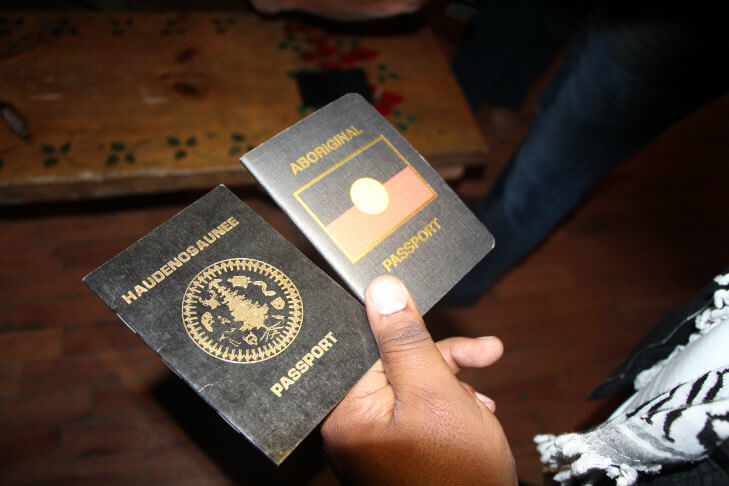
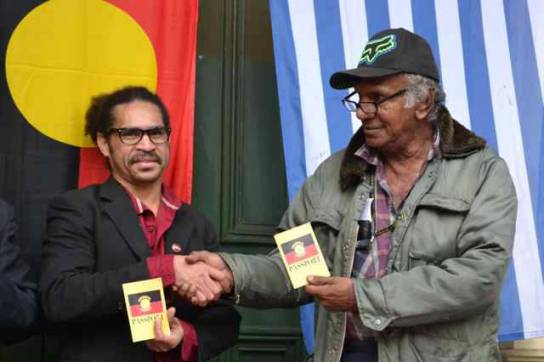
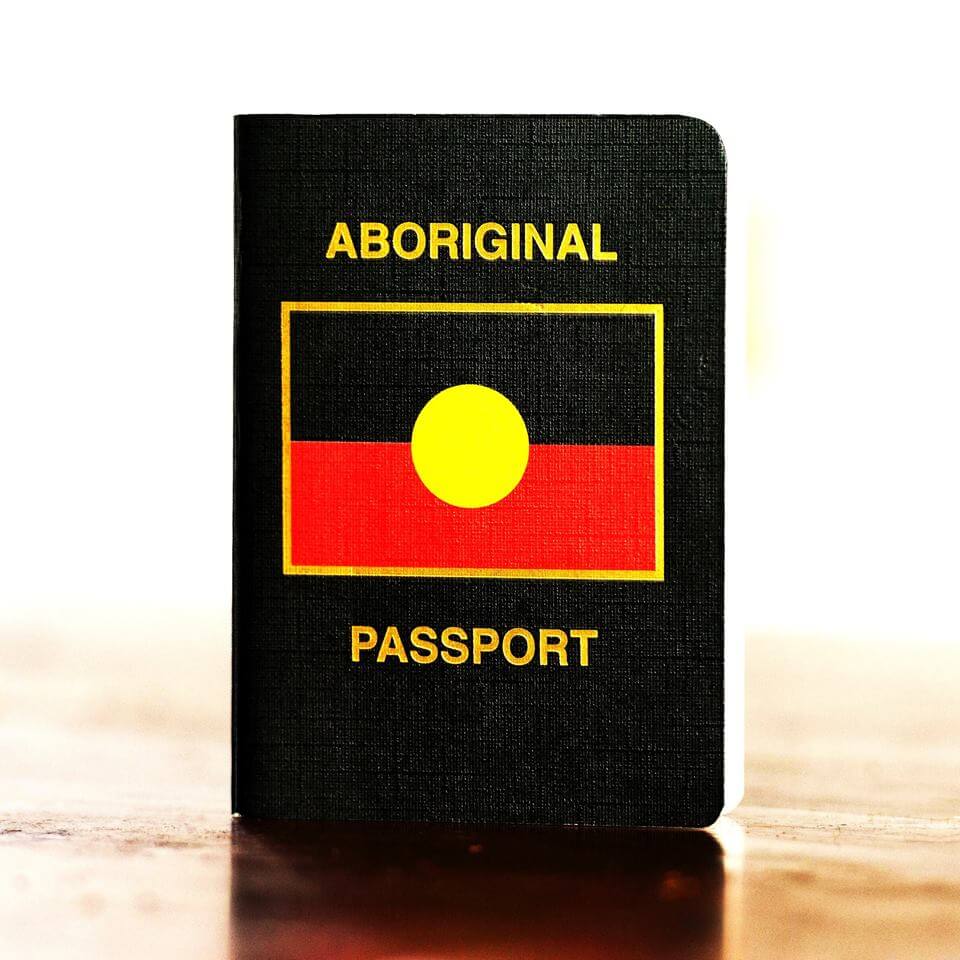
In mid-August, four young Aboriginal people will fly into Vancouver to begin their month long journey of meeting with the Native peoples of Turtle Island (Canada). Secretary of the Aboriginal Provisional Government Michael Mansell (Pakana) advised Canada’s Consulate General of the delegation’s intentions to travel on Aboriginal passports. The Canadian government responded on the 4th of August, stating the delegation “Cannot enter Canada on Aboriginal passports”.
The four members of the delegation are Meriki Onus (Gunnai), Callum Clayton-Dixon (Nganyaywana), Pekeri Ruska (Goenpul) and Bogaine Skuthorpe-Spearim (Gamilaraay).
According to Melbourne based lawyer Pekeri Ruska, using Aboriginal passports would “Show Aboriginal independence from the Australian government”.
“Unfortunately, this opportunity has been denied by the government of Canada. Despite this, we will still visit Turtle Island on the premise that we are a sovereign people. We will visit various Native territories, seeking entry using traditional protocols.”
Activist with the Brisbane Aboriginal Sovereign Embassy Bogaine Skuthorpe-Spearim believes Canada’s refusal to recognize the Aboriginal passport was to be expected. “Both Canada and Australia would rather recognize Israel, an apartheid settler colony founded on the bloodshed and dispossession of the Palestinians.”
Editor of Brisbane Blacks magazine Callum Clayton-Dixon says “This is a clear indication that like Australia, Canada is refusing to adhere to international legal norms when it comes to the right of Indigenous peoples to self-determination”.
“We as Aboriginal people have the right to determine our own political status, to have our own passport. I am not an Australian, I am Nganyaywana.”
Aboriginal family violence worker Meriki Onus says Canada’s rejection of the Aboriginal passport denies Aboriginal sovereignty. “But it isn’t surprising given the Canadian government’s long history of oppressing the Native peoples of Turtle Island. This decision will not deter us. Now more than ever, we see the need to strengthen our relationships with Indigenous peoples internationally.”
# # #
For comment, call 0415 440 120 or email brisbaneblacksmedia@gmail.com
Across the world right now, Indigenous peoples are facing a renewed assault on their lands, rights, and ways of life.
From extractive industries pushing deeper into ancestral territories, to governments rolling back hard-won protections,
the threat is global—and it is growing.
What makes this moment especially dangerous is how little attention it receives.
Stories like this are disappearing in real time. Mainstream media
barely covers it and the coverage is fragmented. The public is left without the context
needed to understand what is truly at stake.
That is exactly why IC Magazine exists..
For more than 20 years, IC has reported on Indigenous struggles worldwide — consistently, independently, and without compromise.
We don’t follow news cycles; we trace patterns. We don’t sensationalize; we provide context.
And when the world looks away, we stay focused.
But this work is increasingly difficult to sustain.
We refuse to lock our reporting behind a paywall. We don’t sell access through subscriptions.
And we don’t answer to advertisers. IC Magazine survives solely because readers like you choose to
support independent Indigenous journalism.
Please donate today if you can. Every contribution helps us to continue this crucial work.
Thank you,
John Ahni Schertow
Founder and Editor in Chief